If you've scrolled through concentrate menus or watched dispensary Instagram feeds, you've probably seen glistening, golden nuggets marketed as "cannabis caviar." The name suggests luxury, and the appearance promises potency , but here's what most product descriptions won't tell you upfront: cannabis caviar isn't an extract. It's whole flower bud that's been bathed in hash oil and rolled in kief, creating a three-layer powerhouse that delivers THC percentages routinely pushing 50% or higher.
This matters because caviar behaves differently than shatter, budder, or live resin. You can't dab it. You shouldn't grind it. And if you try to roll it in paper alone, you'll end up with an unsmokable, oil-soaked mess. Understanding what cannabis caviar actually is , and how to handle it properly , separates an expensive disappointment from one of the most potent smoking experiences available in the Canadian cannabis market today.
What Cannabis Caviar Is (And What It Isn't)
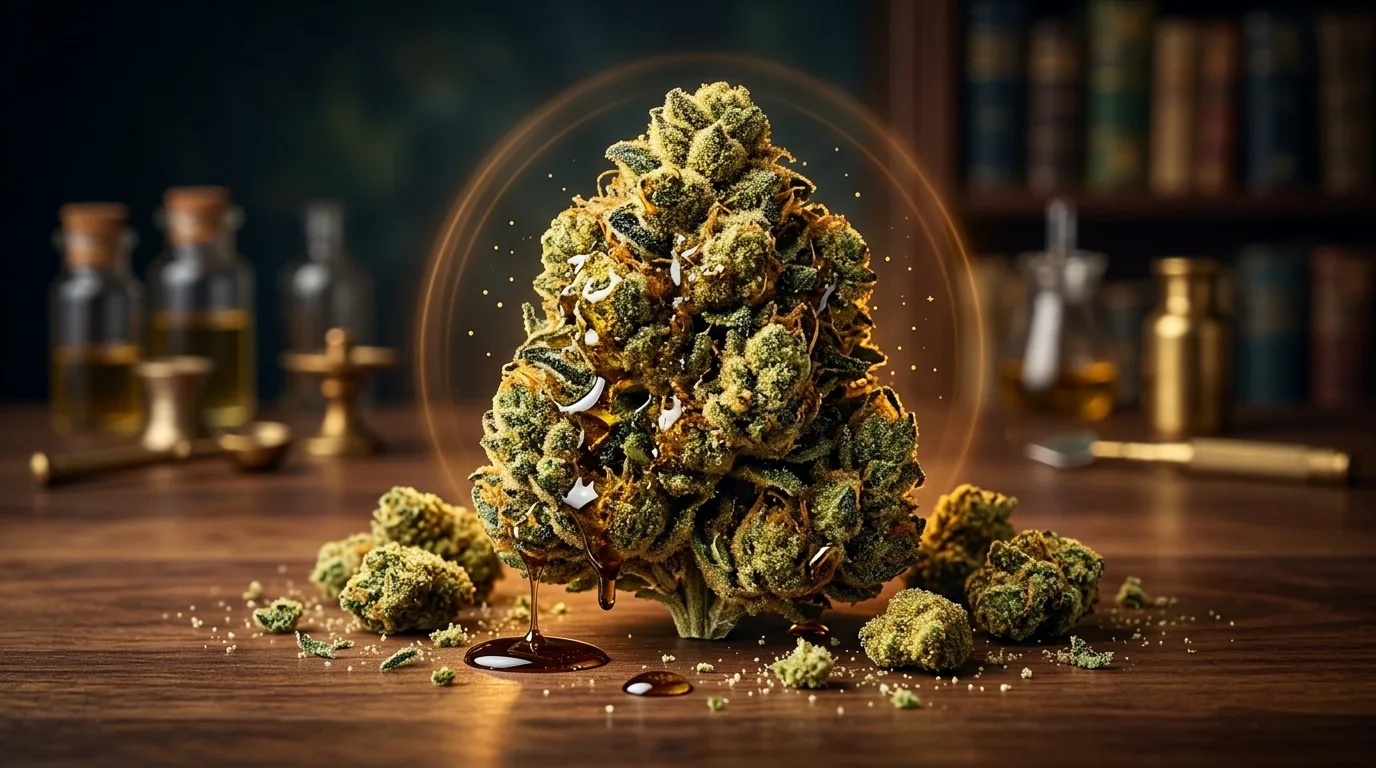
Cannabis caviar is cannabis flower coated in concentrate, then dusted with kief. The base is a whole nug , usually a dense, high-quality bud selected for structure and cannabinoid content. That nug gets dipped or brushed with hash oil (typically CO2 oil, distillate, or BHO), then rolled through dry-sift kief until the entire surface is encrusted in trichome powder.
The result is a three-component product: the original flower provides structure and cannabinoid baseline, the oil layer adds concentrated THC and terpenes, and the kief coating contributes additional potency plus a textured surface that's easier to handle than raw oil-coated bud would be.
Caviar vs Moon Rocks: The Naming Confusion
You'll often see "caviar" and "moon rocks" used interchangeably, but there's a technical distinction some producers observe: caviar refers to the oil-coated bud before kief is applied, while moon rocks is the fully finished product with the kief layer. In practice, most dispensaries and consumers use both terms to mean the same thing , the complete three-layer product. For consistency, this guide uses "caviar" to refer to the finished, kief-coated form you'll actually purchase and smoke.
If you want to understand how moon rocks differ in production and history, read our full breakdown in Moonrock Weed: The Cannabis Caviar That Redefines High Potency, which covers the West Coast origins and celebrity branding that made these products mainstream.
Why the Coated-Bud Format Exists
Cannabis caviar occupies a unique position in the concentrate ecosystem. It delivers extract-level potency without requiring specialized equipment , no dab rig, no torch, no temperature control. For consumers who want maximum THC but prefer traditional smoking methods, caviar provides a bridge product that fits into bowls, bongs, and hand pipes using familiar techniques.
The format also preserves the entourage effect by combining whole-plant flower with concentrated cannabinoids and terpenes. Unlike pure distillate or isolate, caviar retains the minor cannabinoids and aromatic compounds that contribute to strain-specific effects. You're smoking amplified flower, not refined extract.
How Cannabis Caviar Is Made: The Three-Layer Process
Production starts with strain selection. Manufacturers choose dense, resinous buds with structural integrity , typically indica-dominant strains or thick hybrid flowers that won't crumble when handled. The bud needs to be cured but not brittle, with enough moisture to hold shape through the coating process.
Step One: Oil Infusion
The selected bud is dipped, brushed, or sprayed with cannabis oil. The specific concentrate varies by manufacturer , some use CO2-extracted hash oil for its clean flavour profile, others prefer BHO (butane hash oil) for higher terpene retention, and budget producers sometimes use distillate for maximum THC content at lower cost. The oil application needs to be thorough but not so heavy that the bud becomes structurally compromised or impossible to burn.
This step typically adds 20-40% additional THC to whatever the base flower already contained. If the starting bud tests at 20% THC and the oil layer is 70% THC applied at 30% of total weight, you're already approaching 40% total THC before the kief coat.
Step Two: Kief Rolling
While the oil is still tacky, the coated bud gets rolled through dry-sift kief , the powder collected from cannabis trim and flower via screen separation. High-quality caviar uses full-spectrum kief that contains cannabinoids, terpenes, and plant waxes. Lower-tier products might use THC-A isolate powder or trim-grade kief with less terpene content.
The kief layer serves three functions: it adds another 10-20% THC boost, it creates a dry exterior surface that's easier to handle and break apart, and it provides visual appeal. That golden, crystalline coating is the signature aesthetic of premium caviar.
Step Three: Curing and Packaging
Finished caviar needs time to stabilize. The oil layer must fully saturate into the flower structure, and the kief needs to adhere firmly to prevent excessive powder loss during handling. Producers typically cure caviar in controlled environments for 24-72 hours before packaging in glass jars or sealed pouches with humidity control.
How to Smoke Cannabis Caviar (The Methods That Actually Work)
The single most important rule: never grind cannabis caviar. The moment you run it through a grinder, the oil smears across the teeth and chamber, the kief disperses into powder, and the flower gets compacted into an unsmokable, oil-saturated clump. Grinding destroys the layered structure that makes caviar functional.
The Glass-Only Rule
Cannabis caviar requires glass smoking devices , bongs, bubblers, or hand pipes with metal or glass bowls. The oil content is too high for paper or hemp wraps. If you try to roll caviar in a joint or blunt, the oil prevents even burning, creates harsh smoke, and wastes product as the paper smolders unevenly or goes out repeatedly.
Rolling papers can't handle the oil saturation. The paper either burns too fast while the caviar smolders behind it, or the paper refuses to stay lit because the oil acts as a fire retardant. Either way, you'll end up relighting constantly and inhaling more combustion byproducts than cannabinoids.
Breaking Caviar: The Finger Method
Use your fingers or scissors to break off caviar chunks. Start with a piece roughly the size of a dried pea , caviar is dense and potent, so less goes further than you'd expect coming from regular flower. The kief coating makes it less sticky to handle than raw oil-coated bud would be, but you'll still want to wash your hands afterward or wear nitrile gloves if you're preparing multiple bowls.
Place the caviar chunk directly in the bowl, then surround it with a small amount of regular flower. The surrounding flower acts as a buffer layer that helps the caviar burn more evenly and prevents it from melting through the bowl screen and into your water chamber or pipe stem.
Lighting Technique
Apply flame to the regular flower first, not directly to the caviar. Let the cherry from the surrounding bud ignite the caviar gradually. Caviar needs sustained low heat rather than direct flame , the oil layer doesn't combust well with quick lighter passes. Once the surface starts to glow, remove the flame and pull slowly. The airflow will keep it burning.
Expect the bowl to stay lit longer than regular flower. The oil content creates a slower, sustained burn. One caviar bowl might provide three to five full pulls before it's cached, compared to one or two from the same volume of regular bud.
Potency, Effects, and Dosing: What to Expect
Cannabis caviar typically tests between 40% and 60% THC, though some premium batches exceed 70%. Compare this to regular flower at 15-25% THC or mid-tier concentrates at 60-80% , caviar sits in the upper range of smokable cannabis products, surpassing flower but generally landing below pure extracts.
Effects Profile
The high from caviar comes on faster and stronger than regular flower, but the onset isn't as immediate as vaping distillate or taking a dab. Effects typically manifest within 5-10 minutes and peak around 30-45 minutes. The duration extends longer than flower alone , expect 3-4 hours of noticeable effects from a single bowl session, with residual body effects potentially lasting another hour or two.
The experience tends toward full-body intensity. Even sativa-dominant caviar delivers substantial physical effects due to the THC concentration. Users report heavy limbs, pronounced pain relief, deep relaxation, and couch-lock when consumed in moderate to high amounts. Cerebral effects vary by strain but are always amplified , expect elevated euphoria, sensory enhancement, and potential cognitive fog at higher doses.
First-Time Dosing
Start with a piece no larger than a peppercorn. This translates to roughly 0.1-0.2 grams of product delivering 40-120mg of THC in a single bowl session. For reference, a standard joint contains 0.5-1.0 grams of 20% flower, delivering approximately 100-200mg total THC. Caviar concentrates that same THC load into a fraction of the volume.
Wait 45 minutes before considering a second bowl. The delayed peak means you won't feel full effects for at least half an hour. Users who redose at the 15-minute mark when they "don't feel anything yet" consistently end up far higher than intended once both doses fully manifest. This is similar to the dosing caution required with edibles, though the timeline is compressed. If you've had issues with edible timing before, review our guide on How Long Do Edibles Take to Kick In for parallel advice on delayed cannabis onset.
Tolerance Considerations
Regular caviar use builds tolerance rapidly. The sustained high-THC exposure desensitizes CB1 receptors faster than cycling between different potency levels. Consumers who use caviar daily often find they need to increase dose size within two to three weeks to achieve the same effects, and regular flower stops producing noticeable results.
For this reason, experienced users treat caviar as an occasional premium experience rather than a daily driver. Rotating between caviar, regular flower, and concentrates helps preserve sensitivity across the potency spectrum.
Where Cannabis Caviar Fits in Your Concentrate Collection
Cannabis caviar serves a specific niche. It's not the most cost-effective way to consume high-potency cannabis , concentrates deliver more THC per dollar spent. It's not the most convenient format , you can't take caviar on the go like a vape pen. But it fills the gap between everyday flower and dedicated concentrate consumption for users who want amplified effects without learning new consumption techniques.
Cost Analysis
Expect to pay $30-60 per gram for quality caviar in the Canadian market. This positions it above premium flower ($8-15/gram) and in the same range as mid-tier concentrates. The value proposition depends on your consumption pattern. If you smoke multiple grams of flower daily, switching to caviar increases costs while delivering stronger effects. If you currently dab concentrates, caviar offers a less intense alternative with familiar smoking rituals.
For occasional users who consume once or twice per week, caviar's potency means a single gram can last two to four weeks with conservative dosing. This makes the per-session cost comparable to or lower than burning through regular flower more quickly.
Storage and Shelf Life
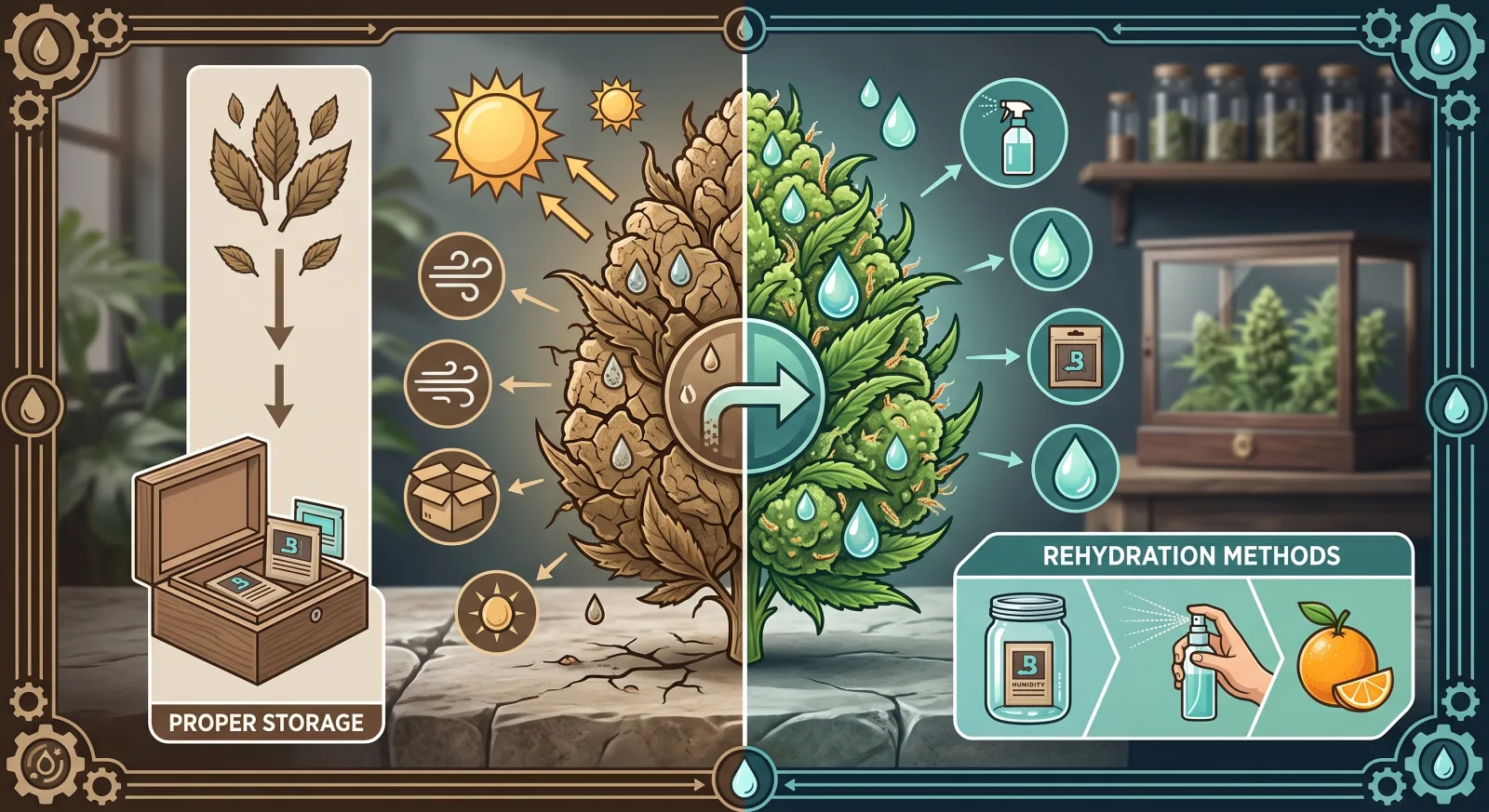
Store cannabis caviar in airtight glass containers in cool, dark conditions. The oil layer makes caviar more susceptible to terpene degradation than flower alone, but less fragile than pure extracts. Properly stored caviar maintains potency and flavour for 6-12 months. Avoid plastic bags or containers , the oil can interact with certain plastics, and the lack of rigid structure leads to kief loss as the product shifts during storage.
Keep caviar separate from regular flower. The oil and kief will transfer to anything it contacts, and the strong aroma can overpower more subtle strains stored in the same space.
Combining Caviar With Other Products
Advanced users sometimes blend caviar with other formats for customized experiences. A small amount of caviar mixed with CBD-dominant flower creates a high-THC, balanced-cannabinoid bowl for users who find pure caviar too intense. Caviar pieces layered with hash in a bong bowl delivers multi-concentrate complexity. The key is treating caviar as the potency anchor in any mix , you're building around it, not trying to match its intensity across all components.
If you're exploring hash combinations, start with our overview in Bubble Hash vs Dry Sift vs Pressed: How Hash Is Actually Made to understand which hash textures pair best with the oil-coated surface of caviar.
Quality Indicators: What to Look for When Buying Caviar
Visual inspection tells most of the quality story. Premium caviar shows visible flower structure beneath a complete kief coating , you should see the outline of the original bud, not a shapeless oil ball. The kief layer should be golden to amber, not green (which indicates low-quality trim kief) or pure white (which might be THC-A isolate powder lacking terpenes).
The Break Test
Quality caviar breaks apart with light pressure but doesn't crumble to dust. If it shatters like brittle glass, the oil content is too low or the base flower was overdried. If it squashes rather than breaks, there's too much oil or insufficient cure time. The texture should feel slightly tacky but not wet, dense but not rock-hard.
Aroma and Terpene Content
Smell caviar before purchasing if possible. You should detect distinct terpene profiles , citrus, pine, diesel, berry, whatever matches the strain lineage. Weak or hay-like smell indicates degraded terpenes, while overwhelming chemical odour suggests solvent residue in the hash oil layer. Premium caviar smells louder than regular flower of the same strain due to the concentrated terpenes in the oil coating.
Lab Testing and Transparency
Reputable producers provide lab results showing total THC content and solvent residue testing for the hash oil component. Look for certificates of analysis (COA) indicating the product passed safety screening for pesticides, heavy metals, and residual solvents. If you're unfamiliar with how to interpret these documents, our guide to Cannabis Lab Report: Line-by-Line Guide to Reading Your COA breaks down every section in plain language.
Common Mistakes and How to Avoid Them
The grinding error is so universal it bears repeating: never grind cannabis caviar. No matter how convenient it seems, no matter how much easier it would make rolling or bowl preparation, grinding destroys the product. Break it by hand every single time.
The Paper-Rolling Attempt
New users frequently try to roll caviar into joints despite warnings, convinced their technique will overcome the physics. It won't. The oil content prevents even burning in paper wraps. If you absolutely must use caviar in a smokable roll, the only functional method is breaking it into very small pieces, mixing it with significantly more regular flower (at least 3:1 flower to caviar ratio), and rolling in a slow-burning hemp wrap , and even then, expect relighting and harsh smoke. Just use glass.
Overdosing and Recovery
Taking too much caviar produces the same overconsumption effects as any high-THC product: anxiety, paranoia, racing heart, nausea, and disorientation. If you find yourself uncomfortably high, move to a calm environment, hydrate, consume CBD if available to counteract THC effects, and remind yourself the experience is temporary. Effects peak within an hour and decline steadily after that. For detailed management strategies, read our guide on Greening Out: What It Is, How Long It Lasts, and How to Manage It Safely.
Waste Through Poor Handling
Kief loss is inevitable with caviar, but excessive shedding indicates quality problems or mishandling. Don't shake the container, don't dump caviar between bags or jars, and don't handle it more than necessary. Every transfer and touch point means lost kief. Buy caviar in the container you plan to store it in, and only remove what you're about to smoke.
No, cannabis caviar does not work in paper or wrap formats. The hash oil coating prevents even burning, causes constant relighting, and creates harsh smoke. The oil content is too high for combustible wraps to handle. Cannabis caviar requires glass devices , bongs, bubblers, or hand pipes , for functional consumption. The only partial exception is mixing tiny amounts of caviar with significantly more regular flower in a slow-burning hemp wrap, but this still produces inferior results compared to glass.
First-time caviar users should start with a piece no larger than a peppercorn , approximately 0.1 to 0.2 grams. This small amount delivers 40-120mg of THC depending on the specific product potency, comparable to a moderate joint of regular flower but concentrated in a single bowl. Wait at least 45 minutes before considering a second dose, as effects peak after 30-45 minutes. Starting too large or redosing too quickly leads to uncomfortable overconsumption.
The terms are mostly interchangeable in consumer contexts, but some producers use caviar to refer to oil-coated bud before kief application, while moon rocks specifically means the finished product with the kief layer. In practice, both terms describe the same final product: cannabis flower dipped in hash oil and rolled in kief. Either name refers to the three-layer, high-potency product you'll purchase and smoke.
Grinding cannabis caviar destroys its functional structure. The grinder teeth smear the hash oil throughout the chamber, the kief disperses into fine powder, and the flower compacts into an oil-saturated clump that won't burn properly. The three-layer construction that makes caviar smokable depends on maintaining the original bud architecture. Always break caviar by hand into small chunks, never put it through a grinder.
Properly stored cannabis caviar maintains potency and flavour for 6 to 12 months. Store it in airtight glass containers in cool, dark conditions to prevent terpene degradation. The oil layer makes caviar somewhat more perishable than plain flower but more stable than some pure concentrates. Avoid plastic storage, temperature fluctuations, and light exposure. Caviar that develops weak aroma or brittle texture has degraded and will deliver diminished effects.
Value depends on your consumption preferences and tolerance. Cannabis caviar costs $30-60 per gram, similar to mid-tier concentrates but more than regular flower. It delivers high potency without requiring dab rigs or new consumption techniques, making it ideal for users who want amplified effects using familiar smoking methods. However, pure concentrates provide more THC per dollar spent, and regular flower costs less overall. Caviar occupies a premium niche rather than serving as an everyday consumption format for most users.
Conclusion: Cannabis Caviar's Place in the Modern Cannabis Landscape
Cannabis caviar represents a specific evolution in concentrate culture , the hybrid product that bridges traditional smoking and modern extraction technology. It's whole flower amplified through concentrate coating, delivering extract-level potency without abandoning the familiar rituals of bowl, bong, and lighter. The format isn't for everyone, and it shouldn't be. Caviar serves experienced consumers who want occasional high-intensity sessions without committing to dabbing equipment or vape pen convenience.
Understanding that caviar is coated bud rather than an extract changes how you buy, handle, and consume it. The glass-only rule, the never-grind principle, and the conservative dosing approach all stem from recognizing what the product actually is , not a concentrate you can manipulate freely, but a delicate three-layer construction that rewards proper technique and punishes shortcuts.
If you're ready to explore cannabis caviar, start small. Break pieces by hand, use glass devices, surround the caviar with buffer flower, and wait for full effects before redosing. Treat it as the premium, occasional-use product it's designed to be rather than a daily driver, and the format delivers exactly what it promises: amplified flower effects using smoking methods you already know.
Explore Premium Cannabis Products
Browse our curated selection of high-potency flower, concentrates, and specialty products for experienced Canadian cannabis consumers.
Shop Now