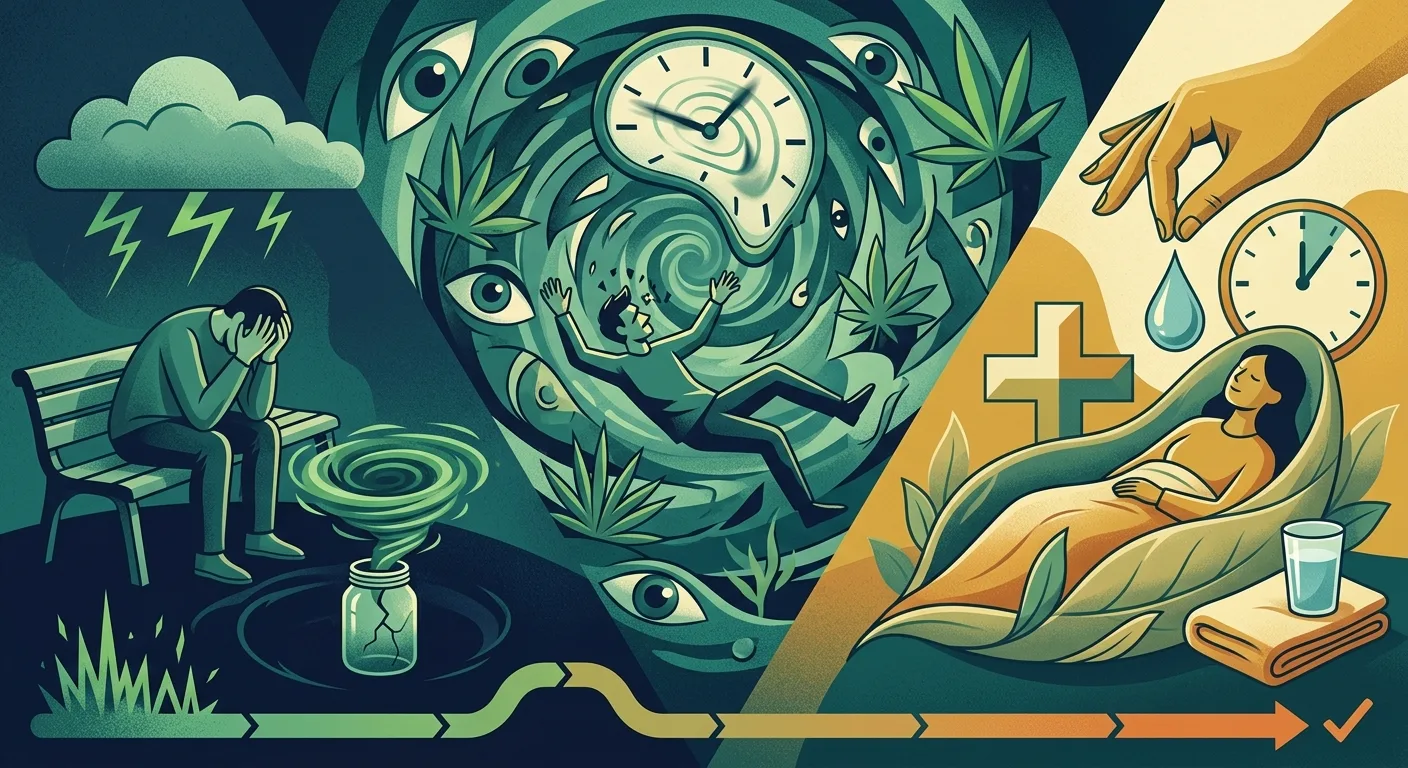
You're sitting on the couch. Your heart is racing. The room feels like it's spinning or closing in. You're sweating, nauseous, maybe even convinced something is seriously wrong. If you've consumed cannabis,especially edibles,and you're experiencing these symptoms, you're likely greening out. It's uncomfortable, sometimes frightening, but it's temporary and it will pass.
Greening out is cannabis overconsumption. It happens when you've taken more THC than your body can comfortably process, triggering a cascade of unpleasant physical and psychological symptoms. Unlike alcohol poisoning, greening out isn't medically dangerous for most people, but it can be deeply distressing if you don't know what's happening or how to respond. This guide explains the physiology behind greening out, how to recognize it, what helps in the moment, how long it lasts, and when you should genuinely seek medical attention.
What Is Greening Out? The Physiology of Cannabis Overconsumption
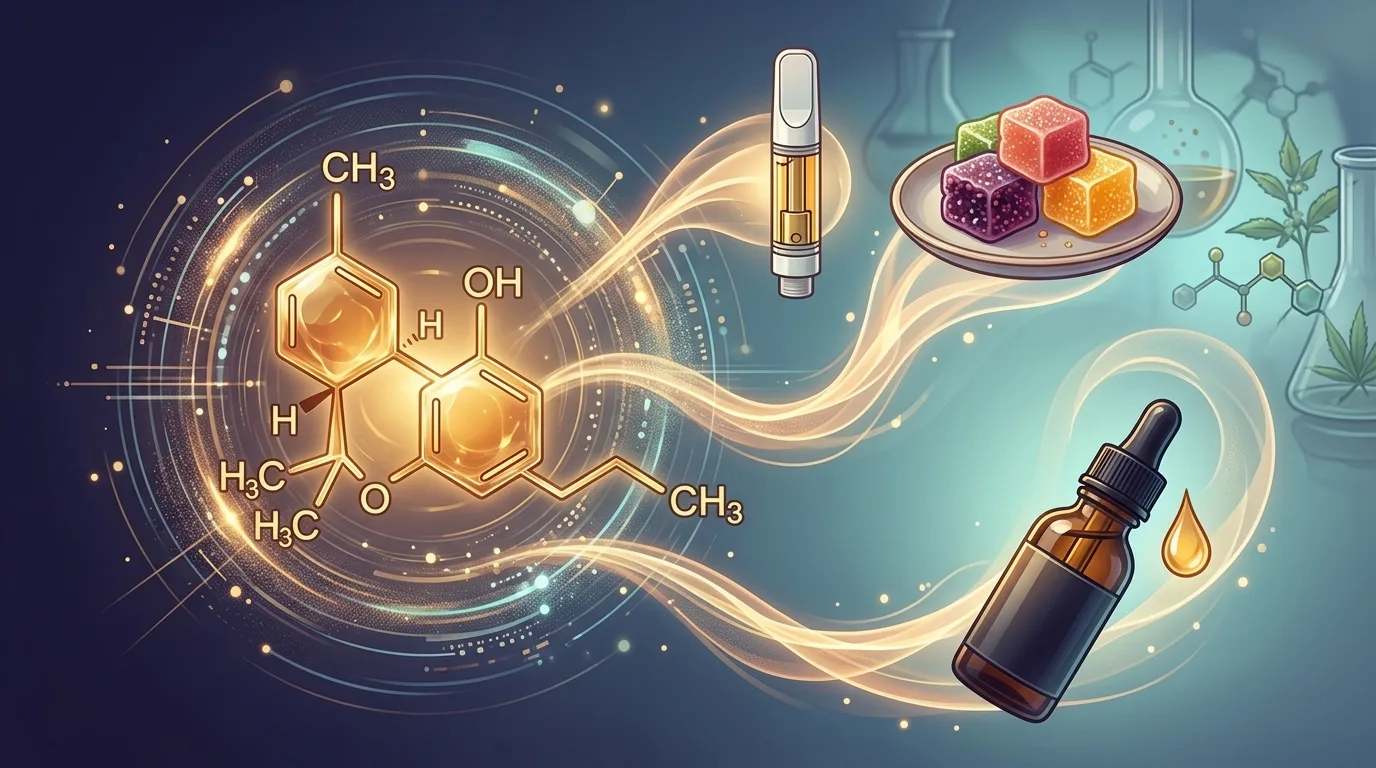
Greening out occurs when THC (tetrahydrocannabinol, the psychoactive compound in cannabis) floods your endocannabinoid system faster or in higher quantities than your body can regulate. Cannabis interacts with CB1 receptors throughout your brain and nervous system, affecting everything from heart rate to nausea control to anxiety regulation. When those receptors are overstimulated, your body responds with a collection of symptoms that range from mildly uncomfortable to intensely distressing.
Common symptoms of greening out include rapid or irregular heartbeat, dizziness or vertigo, nausea and vomiting, cold sweats or chills, anxiety or panic, paranoia, confusion or disorientation, and pale or clammy skin. These symptoms often hit suddenly, especially with edibles, where the delayed onset can catch people off guard. You might feel fine one moment and overwhelmed the next.
It's important to understand that greening out is not the same as a medical emergency like alcohol poisoning. There are no documented cases of fatal THC overdose in otherwise healthy adults. Your body will metabolize the THC, and the symptoms will resolve on their own. That said, the experience can be genuinely frightening, and understanding what's happening can help you stay calm and manage the situation more effectively.
Why Greening Out Happens: The Four Main Triggers
Understanding how you ended up greening out can help you avoid it in the future. Most cases fall into one of four categories.
Dosing Too High, Especially with Edibles
The most common cause of greening out is simply consuming too much THC at once. This is especially true with edibles. When you smoke or vape cannabis, THC enters your bloodstream through your lungs, and you feel effects within minutes. You can titrate your dose,take a puff, wait, assess, and decide if you want more. With edibles, THC is absorbed through your digestive system and metabolized by your liver, converting into 11-hydroxy-THC, a compound that's more potent and longer-lasting than inhaled THC. This process takes 30 minutes to two hours, and if you don't feel anything after 45 minutes and eat more, you're setting yourself up for an overwhelming experience once both doses hit.
Many greening-out incidents stem from the "it's not working yet, let me take another" mistake. For guidance on safer edible dosing, our conservative guide to starting with edibles outlines the right approach for beginners.
Low Tolerance or First-Time Use
If you're new to cannabis or use it infrequently, your endocannabinoid system hasn't built up any tolerance. What might be a comfortable dose for a regular consumer can be overwhelming for someone with no baseline. First-time users are especially vulnerable because they don't know what to expect and may not recognize early warning signs that they've had enough.
Mixing Cannabis with Alcohol or Other Substances
Alcohol increases the absorption of THC, meaning you'll feel the effects more strongly and more quickly when you combine the two. This synergistic effect,often called "crossfading",can trigger greening out even at doses that would normally be manageable. Other substances, including certain medications, can also amplify cannabis effects unpredictably.
Consuming on an Empty Stomach or While Dehydrated
Your physiological state matters. Consuming cannabis on an empty stomach can intensify absorption and effects. Dehydration, fatigue, stress, or illness can all lower your threshold for greening out. Your body is less equipped to regulate the experience when it's already compromised.
What to Do If You're Greening Out: Immediate Harm Reduction Steps
If you or someone you're with is greening out, here's what actually helps. These steps won't make the THC leave your system faster, but they can significantly reduce distress and help you ride out the experience more comfortably.
Find a Safe, Quiet Space
Remove yourself from overwhelming stimuli. Go to a quiet room, dim the lights, turn off loud music or television. If you're at a party or public space, find somewhere private where you can sit or lie down without feeling observed or judged. A calm environment reduces external stressors and helps your nervous system settle.
Lie Down and Focus on Your Breathing
Sit or lie in a comfortable position. If you feel dizzy, lying on your side (recovery position) can help, especially if there's any risk of vomiting. Focus on slow, deep breaths: inhale for four counts, hold for four, exhale for six. This activates your parasympathetic nervous system,your body's natural calming mechanism,and can reduce heart rate and anxiety.
Hydrate and Eat Something Light
Drink water. Sip slowly,don't chug, as that can worsen nausea. Having something light in your stomach, like crackers or toast, can help stabilize blood sugar and give your body something to focus on digesting. Avoid caffeine or more alcohol, as both can intensify symptoms.
Use Black Pepper or CBD (If Available)
This sounds unusual, but it's grounded in chemistry: smelling or chewing on black peppercorns can help counteract THC-induced anxiety. Piperine, a compound in black pepper, interacts with the same receptors as THC and may modulate the high. Similarly, CBD (cannabidiol) can dampen some of THC's more intense psychoactive effects. If you have access to a CBD product, taking some may help ease symptoms. However, don't leave the house or add stress trying to obtain these items if you don't already have them.
Remind Yourself It's Temporary
This is crucial: you are not in danger, and this will pass. Keep repeating this. The anxiety and panic that often accompany greening out can trick you into catastrophizing. Acknowledge the discomfort, but remind yourself that your body is processing the THC and symptoms will fade. For most people, acute symptoms peak within the first hour and begin to subside after that.
How Long Does Greening Out Last?
The duration depends on how you consumed the cannabis and how much you took.
If you smoked or vaped, acute symptoms typically peak within 30 to 60 minutes and begin to subside after one to three hours. You'll likely feel back to baseline within four to six hours, though some residual grogginess or fatigue can linger.
If you consumed edibles, the timeline is longer. Because edibles take longer to kick in, they also take longer to wear off. Acute greening-out symptoms from edibles usually peak around two to four hours after consumption and can last six to eight hours or more. In cases of very high doses, you might feel off for 12 to 24 hours. The good news: even in extreme cases, symptoms always resolve. You will not be stuck like this.
During this time, your body is metabolizing the THC through your liver and kidneys. There's no way to speed this process up significantly, which is why harm reduction focuses on comfort and safety rather than shortcuts.
When to Seek Medical Help: The Clear Line
Most greening-out episodes do not require medical intervention. However, there are situations where you should seek help or call emergency services.
Go to the hospital or call 911 if the person is unconscious and cannot be roused, experiencing chest pain that feels different from rapid heartbeat (sharp, crushing, or radiating pain), having seizures, showing signs of a severe allergic reaction such as difficulty breathing or swelling of the throat, vomiting continuously and unable to keep down water for several hours, or if they have a pre-existing heart condition and are experiencing cardiac symptoms.
Additionally, if cannabis was combined with other substances and you're unsure what was consumed or how much, err on the side of caution. Medical professionals are not there to judge,they're there to help. In Canada, there is no legal penalty for seeking medical care related to cannabis consumption.
If you're unsure whether symptoms warrant medical attention, call your provincial health line (811 in most provinces) to speak with a nurse who can assess the situation and advise you.
How to Prevent Greening Out: Practical Dosing and Consumption Strategies
The best way to manage greening out is not to experience it in the first place. Here's how to consume cannabis more safely and avoid overconsumption.
Start Low and Go Slow
This is the golden rule of cannabis consumption, especially with edibles. If you're new or haven't consumed in a while, start with 2.5 to 5 mg of THC. Wait at least 90 minutes to two hours before considering more. For a deeper dive into beginner-friendly edible dosing, our guide on how long edibles take to kick in covers timing and expectations in detail.
Know Your Product's THC Content
Always check the label. Understand how many milligrams of THC are in the entire package and per serving. If you're smoking or vaping flower, understand that different strains have different potencies. Chasing the highest THC percentage isn't a reliable strategy,potency doesn't equal quality or a better experience.
Don't Mix Cannabis with Alcohol
If you're going to consume both, do so with extreme caution and keep doses of each very low. Ideally, avoid combining them altogether until you have extensive experience with how your body responds to each substance individually.
Consume in a Comfortable, Safe Setting
Especially if you're trying a new product or higher dose, do so at home or in a familiar, controlled environment where you feel safe. Having a sober friend present can be helpful, particularly for first-time users.
Eat Before Consuming and Stay Hydrated
Don't consume cannabis on an empty stomach, and make sure you're well-hydrated. Both factors influence how your body processes THC and how intensely you'll feel the effects.
Supporting Someone Else Who's Greening Out
If you're with someone who's greening out, your role is to provide reassurance and a calm presence. Stay with them,do not leave them alone. Reassure them repeatedly that what they're experiencing is temporary and they're safe. Help them get to a quiet, comfortable space and encourage them to lie down. Offer water and light snacks. Keep your voice calm and steady. Avoid telling them to "just relax" or dismissing their distress,validation helps more than minimization.
Monitor their symptoms. If they become unresponsive, start vomiting severely, or show any of the red flags mentioned earlier, seek medical help. Otherwise, your job is simply to be present and supportive while their body processes the THC.
The Psychological Aftermath: What to Expect After Greening Out
After the acute physical symptoms subside, some people experience a psychological hangover. You might feel anxious, embarrassed, or worried about using cannabis again. This is normal. A greening-out experience can be genuinely traumatic in the moment, and it's okay to need time to process it.
If you choose to consume cannabis again, approach it with renewed caution. Use the experience as a learning moment: what went wrong? Was it dose, product type, setting, or a combination? Adjust accordingly. Many people who've greened out become much more mindful, responsible consumers as a result.
If anxiety or distress persists beyond a few days, or if you find yourself developing a fear of cannabis or panic attacks unrelated to consumption, consider speaking with a mental health professional. There's no shame in seeking support.
Frequently Asked Questions About Greening Out
No. There are no documented cases of a fatal cannabis overdose in otherwise healthy adults. Greening out is uncomfortable and can be frightening, but it is not life-threatening. Your body will metabolize the THC, and symptoms will resolve on their own.
Unfortunately, there's no way to speed up THC metabolism significantly. The most effective approach is harm reduction: find a calm environment, hydrate, breathe slowly, and wait it out. Black pepper or CBD may help ease symptoms slightly, but time is the only true remedy.
Greening out can happen with any method of consumption, but edibles are more commonly associated with it because of the delayed onset and longer duration. People often consume more than intended because they don't feel effects right away, leading to overconsumption once everything kicks in.
The symptoms can overlap significantly, especially rapid heartbeat, sweating, dizziness, and intense fear. However, greening out is directly triggered by cannabis consumption and includes physical symptoms like nausea and changes in perception. A panic attack can occur without any substance use. Both are temporary and not medically dangerous, though both can feel overwhelming.
Not necessarily. Many people who green out once go on to consume cannabis safely by adjusting their approach,lowering doses, avoiding edibles, or being more mindful about set and setting. However, if the experience was severely distressing or if you have underlying anxiety or heart conditions, it's worth reconsidering whether cannabis is right for you.
Yes. Tolerance reduces the likelihood, but even experienced users can green out if they consume an unexpectedly high dose, try a new product with higher potency, mix cannabis with alcohol, or consume under less-than-ideal physiological conditions like dehydration or illness.
Final Thoughts: Harm Reduction, Not Fear
Greening out is unpleasant, but it's also survivable, temporary, and preventable. Understanding what it is, why it happens, and how to manage it empowers you to consume cannabis more safely and to support others who may find themselves in distress. This isn't about scaring you away from cannabis,it's about equipping you with the knowledge to make informed, responsible choices.
If you're new to cannabis or trying edibles for the first time, start conservatively. Understand your products, know your limits, and consume in safe environments. If you do green out, remember: this will pass. Stay calm, stay safe, and give your body the time it needs to metabolize the THC. And if you're ever in doubt about whether symptoms require medical attention, don't hesitate to reach out for help.
At Uper Weed, we're committed to not just providing quality cannabis products but also supporting informed, safe consumption. If you have questions about dosing, product selection, or harm reduction strategies, our team is here to help. Explore our selection responsibly, and remember: the best cannabis experience is one where you feel in control and comfortable from start to finish.