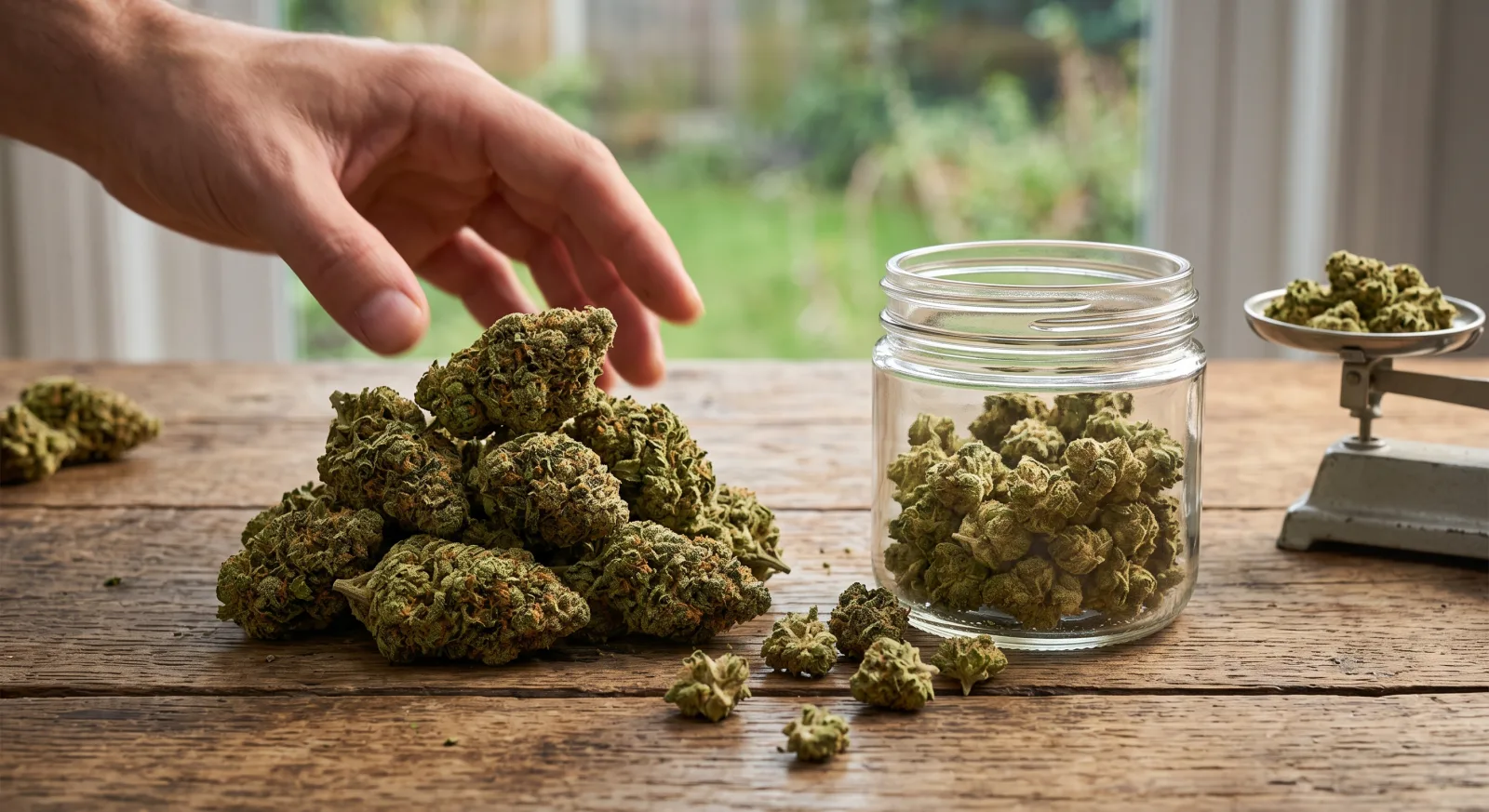
Shake sits at the bottom of every cannabis jar, the loose bits and crumbled fragments that fall off whole buds during handling and transport. Most dispensaries sell it at 40-60% less than premium flower, making it the cheapest cannabis format you can buy. But shake carries a reputation problem: some consumers swear by it for edibles and joints, while others dismiss it as low-quality leftovers not worth smoking. The truth sits somewhere in the middle, and understanding what shake actually is , and when it performs well , can save you serious money without sacrificing your experience.
Shake is not trim, not stems, and definitely not the dusty debris swept off a packaging room floor. Quality shake is simply small cannabis particles that have broken off intact buds, carrying the same cannabinoid profile and terpene content as the flower it came from. The confusion around shake stems from inconsistent industry standards: some producers package clean, single-strain shake that rivals budget flower, while others mix bottom-of-the-bag material from multiple strains and call it shake. This guide explains exactly what you're buying, when shake makes sense, and which applications highlight its strengths rather than expose its limitations.
What Shake Weed Actually Is (And What It Isn't)
Shake consists of the small cannabis pieces that naturally separate from larger buds during cultivation, curing, trimming, packaging, and transport. When growers jar freshly trimmed flower, those buds shed tiny fragments , calyxes, sugar leaves, and trichome clusters , that accumulate at the bottom of the container. This material is shake in its purest form: genetically identical to the buds it came from, with similar potency and terpene profiles, just broken into smaller pieces.
The particle size distinguishes shake from other cannabis formats. Shake pieces typically measure 2-8mm, larger than kief (which passes through fine screens) but smaller than popcorn buds (which maintain recognizable bud structure). This size range creates shake's defining characteristic: high surface area relative to volume. More exposed surface means faster cannabinoid degradation when stored improperly, but also means better extraction efficiency when making edibles or concentrates.
Shake vs. Trim: Not the Same Product
Trim consists of the sugar leaves and fan leaves removed during the manicuring process, before buds reach their final form. While trim contains trichomes and some cannabinoids, its potency runs significantly lower than shake , typically 5-10% THC compared to shake's 12-20% THC. Trim works well for extraction and butter-making, but it performs poorly when smoked due to harsh chlorophyll content and low resin density.
Reputable dispensaries separate trim from shake and price them accordingly. If you're paying shake prices but receiving material that's mostly leaf with minimal crystal coverage, you've bought mislabeled trim. Quality shake should show visible trichomes, carry the aroma of the strain it came from, and contain minimal stem material. When you open a bag of legitimate shake, you should recognize it as broken-down flower, not discarded plant matter.
Single-Strain vs. Mixed Shake
Single-strain shake comes from one specific cultivar, maintaining consistent effects and flavour. This format represents shake at its best: you're getting Hindu Kush shake or Sour Diesel shake with predictable characteristics, just in smaller pieces. Single-strain shake typically costs 30-40% less than the whole-bud version of the same genetics, offering clear value for consumers who prioritize effects over bag appeal.
Mixed shake combines bottom-of-the-bag material from multiple strains, creating an unpredictable blend. Some mixed shake performs well if the source strains share similar characteristics (all indicas, all high-THC sativas), but most mixed shake delivers inconsistent effects because you're combusting or vapourizing different cannabinoid ratios in each session. The cost savings on mixed shake run higher , sometimes 50-60% below premium flower , but you sacrifice the ability to choose your experience.
When Shake Works Well (And When It Doesn't)
Shake's high surface-area-to-volume ratio makes it ideal for applications that extract cannabinoids into another medium. The increased surface exposure allows solvents, fats, and heat to access trichomes more efficiently than with whole buds, reducing extraction time and improving yield. This is why experienced cannabis consumers stockpile shake for infusions, concentrates, and edibles while avoiding it for premium smoking experiences.
Best Uses for Shake
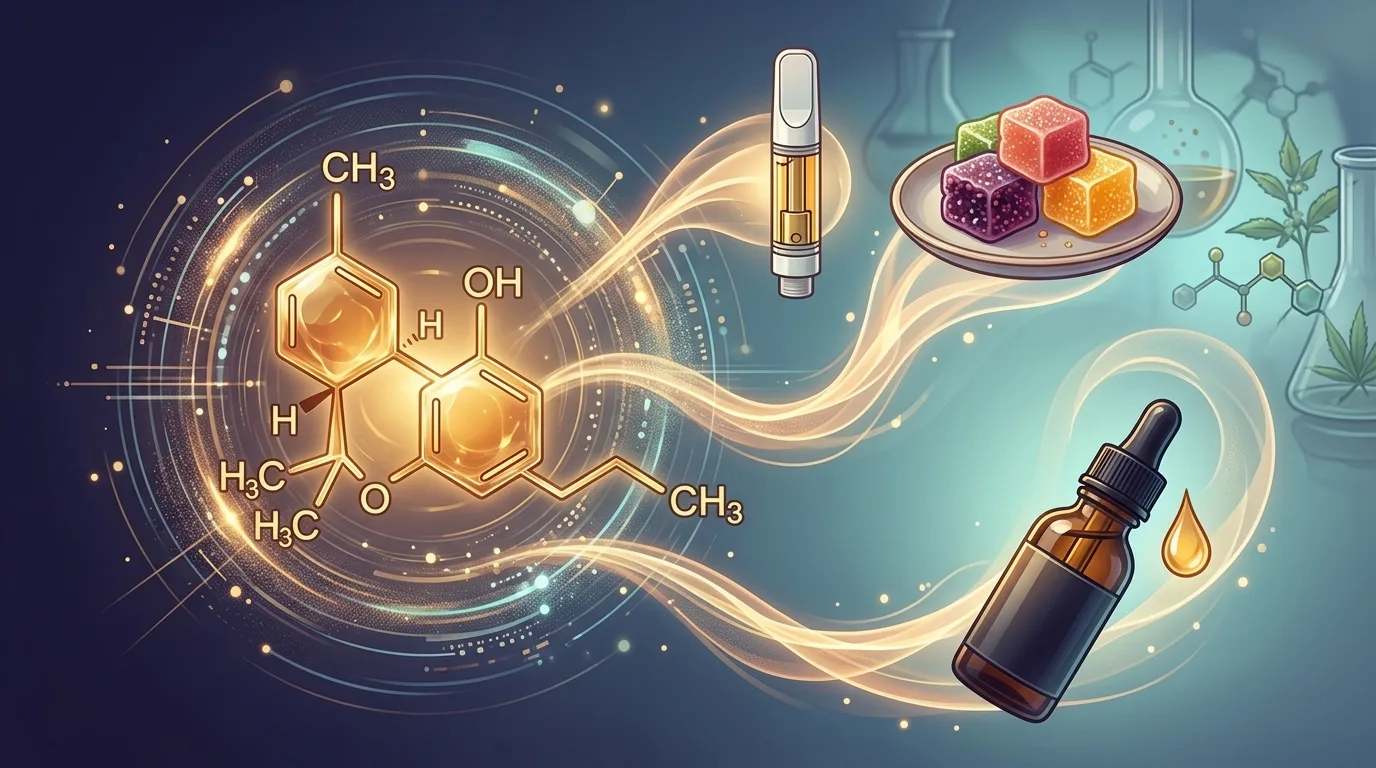
Making cannabutter or cannabis oil represents shake's strongest application. When you simmer shake in butter or coconut oil, the small particles infuse faster than whole buds, typically reaching full extraction in 2-3 hours versus 4-6 hours for intact flower. The cost savings compound here: you're already decarboxylating the material (which destroys terpenes anyway), so you're not sacrificing flavour, and you're paying 40-60% less for identical THC content. A 14-gram bag of shake at $40 produces the same amount of activated THC as 14 grams of premium flower at $100.
Rolling joints and blunts with shake delivers acceptable results if you select quality, single-strain material. The smaller particles pack tighter than whole buds, creating even burn characteristics and consistent airflow. Shake joints burn faster than whole-flower joints due to increased oxygen exposure between particles, but they produce smooth, predictable effects if the source material was properly cured. Many regular joint smokers deliberately choose shake for this application, valuing the cost savings and easy rolling over the aesthetic of grinding whole buds.
Vapourizing shake in dry herb vapourizers produces mixed results depending on your device. Conduction vapourizers (which heat material through direct contact) work well with shake, as the small particles maximize surface contact with the heating element. Convection vapourizers (which heat material with hot air) sometimes struggle with shake, as fine particles can get pulled through screens or heat unevenly. If you vapourize regularly and want to use shake, test small amounts first to see how your specific device handles the particle size.
When Shake Underperforms
Smoking shake in glass pipes or bongs highlights its weaknesses. Small particles fall through bowl holes more easily than whole buds, wasting material and creating frustration. The increased surface area also means faster combustion , shake bowls cash out in 2-3 hits versus 5-6 hits from properly ground flower. You can mitigate this by layering a small amount of whole flower at the bottom of your bowl to create a screen, but at that point you're buying two cannabis formats to smoke one bowl.
Dab rigs and concentrate devices cannot use shake directly. While you can extract shake into concentrates using solvent-based or solventless methods, you cannot simply load shake into a quartz banger and expect it to vapourize like shatter or live resin. The plant material will combust, producing harsh smoke instead of clean vapour. If you primarily consume concentrates, shake offers no direct value unless you're willing to process it into extraction-grade material first.
Long-term storage poses challenges with shake that whole buds don't face. The increased surface exposure accelerates cannabinoid degradation and terpene evaporation, meaning shake loses potency and aroma faster than intact flower. Shake stored in proper airtight containers with humidity control remains viable for 3-4 months, compared to 6-12 months for whole buds. If you buy shake, plan to use it within a few months rather than stockpiling it for a year.
Quality Indicators: How to Evaluate Shake Before You Buy
Not all shake delivers equal value. The difference between premium shake and bottom-tier shake is substantial, affecting everything from potency to harshness to actual usability. Learning to assess shake quality protects you from poor purchases and helps you identify genuine deals when they appear.
Visual Inspection
Quality shake shows abundant trichome coverage, appearing frosty or crystalline even in small particles. Hold the package up to light and look for the telltale sparkle of intact resin glands. If the shake looks dull brown or green with no visible crystals, you're examining low-potency material that will underperform regardless of application. The colour should match the strain's expected appearance , purple strains produce purple shake, diesel strains produce dark green shake with orange hairs.
Check the stem-to-flower ratio carefully. Some shake contains 20-30% stems by weight, which contributes nothing to your experience while adding harshness and reducing value. Quality shake should contain less than 5% stems, mostly consisting of the tiny connective stems that join calyxes rather than thick branches. If you see multiple pencil-thick stems in a shake bag, you're being sold poorly processed material.
Aroma and Moisture Content
Fresh shake carries strong strain-specific aroma. If you're buying Hindu Kush shake, it should smell like Hindu Kush , earthy, spicy, with sandalwood notes. Weak or absent aroma indicates degraded terpenes, meaning the shake sat in storage too long or was improperly handled. Terpenes drive much of cannabis's therapeutic and experiential effects, so shake that smells like hay delivers diminished results no matter how high its THC percentage tests.
Moisture content should fall in the ideal range: not bone-dry and crumbly, not damp and sticky. Shake that disintegrates into powder when touched has been over-dried or aged too long, losing terpenes and becoming harsh to smoke. Shake that clumps together or feels wet contains excess moisture, creating mold risk and indicating poor curing. Properly cured shake should feel similar to whole buds , slightly springy with some structure, not brittle or soggy.
Price Expectations and Value Calculations
Shake pricing varies based on quality tier, strain popularity, and regional market conditions. In Canadian dispensaries, shake typically costs $3-6 per gram compared to $7-12 per gram for the same genetics in whole-bud form. This 40-60% discount represents genuine savings if the shake maintains similar potency and you're using it for appropriate applications.
Calculate shake's value by comparing THC cost rather than weight cost. A 14-gram bag of 18% THC shake at $50 contains 2,520mg of THC (14,000mg × 0.18). A 7-gram bag of 22% THC flower at $70 contains 1,540mg of THC (7,000mg × 0.22). The shake delivers 64% more THC for 29% less money , a clear value proposition if you're making edibles or rolling joints. This math changes if you're smoking bowls and losing 30% of the shake through bowl holes and fast combustion, reducing the effective THC advantage.
When to Pay More for Whole Buds
Some situations justify paying premium prices for whole flower instead of saving money on shake. If you smoke exclusively from glass pipes or bongs, the waste factor and poor burn characteristics of shake erode much of its cost advantage. If you prioritize flavour and terpene experience, whole buds preserve aromatics better than shake thanks to lower surface exposure and slower degradation. If you're new to cannabis and still learning how different strains affect you, whole buds provide more consistent experiences and clearer feedback about what works for your needs.
Social smoking contexts also favour whole buds over shake. When you're sharing cannabis with friends, the ritual of breaking down premium flower and appreciating its aroma and structure enhances the experience. Shake lacks that ceremonial quality , it's functional, efficient, and cost-effective, but it doesn't create the same aesthetic or sensory engagement that whole buds deliver.
Storage and Shelf Life Considerations
Proper storage extends shake's usable lifespan and preserves its therapeutic value. The same principles that apply to whole-bud storage , airtight containers, cool temperatures, humidity control, darkness , matter even more for shake because of its vulnerability to degradation.
Store shake in glass jars with airtight seals rather than the plastic bags many dispensaries use for packaging. Transfer shake immediately after purchase to minimize air exposure. Add humidity control packs (Boveda or Integra Boost) calibrated to 58-62% relative humidity to prevent over-drying while discouraging mold growth. This maintains shake's moisture content in the ideal range, preserving terpenes and preventing the material from becoming harsh and powdery.
Freezing Shake for Long-Term Storage
Freezing shake stops cannabinoid degradation but requires careful technique to avoid damaging trichomes. Place shake in airtight containers, remove as much air as possible, and store in the back of your freezer where temperature remains most stable. Never freeze shake in bags or containers with excess air space , moisture will crystallize and damage plant material. When you're ready to use frozen shake, let it come to room temperature before opening the container to prevent condensation from forming on the cold cannabis.
Frozen shake maintains potency for 12-18 months, compared to 3-4 months for shake stored at room temperature. This extended shelf life makes freezing worthwhile if you buy shake in bulk for edible production or find a particularly good deal on single-strain material. Just remember that freezing doesn't improve shake quality , it only preserves the quality that existed at the time of freezing.
Making the Most of Shake: Practical Applications
Once you understand shake's strengths and limitations, you can deploy it strategically to maximize value while maintaining experience quality. The consumers who get the most from shake are those who match the format to appropriate use cases rather than trying to force shake into applications where whole buds perform better.
Shake-Specific Rolling Techniques
When rolling joints with shake, distribute material evenly and avoid overpacking. Shake's small particle size means it compacts more tightly than ground flower, restricting airflow if you pack too firmly. Roll shake joints slightly looser than whole-flower joints, and tap the joint gently to settle material rather than packing it down hard. This creates even burn characteristics and prevents the joint from canoeing or going out repeatedly. Rolling a Backwoods with shake requires similar adjustments , use less material than you would with whole buds and avoid the temptation to pack the cigar wrapper tightly.
For consumers who use grabba leaf or other tobacco wrappers, shake offers particular advantages. The fine grind eliminates the need for additional preparation , you can simply sprinkle shake onto the wrapper and roll immediately. The tobacco's strong flavour complements shake's sometimes-diminished terpene profile, creating a satisfying experience without requiring premium flower.
Decarboxylation for Maximum Edible Potency
Shake's small particle size creates more even decarboxylation than whole buds, activating cannabinoids more uniformly. Spread shake in a thin layer on a baking sheet and decarb at 240°F (115°C) for 30-40 minutes, checking and stirring every 10 minutes. The shake should turn golden-brown and emit a strong cannabis aroma when fully decarboxylated. Under-decarbed shake produces weaker edibles, while over-decarbed shake degrades THC into CBN, creating sedative effects instead of the intended high.
After decarboxylation, use the activated shake immediately for butter, oil, or tincture production. The increased surface area speeds infusion dramatically , most shake-based cannabutter reaches full extraction in 2-3 hours of low-heat simmering, compared to 4-6 hours for whole buds. This time savings matters when you're making large batches or simply want to finish the infusion process in a single afternoon. Understanding proper edible dosing becomes especially important when working with shake, as the cost-effectiveness tempts some users to make overly potent batches.
The Economics of Shake in Canada's Cannabis Market
Shake occupies a unique position in Canada's regulated cannabis market. Licenced producers generate shake as an inevitable byproduct of the cultivation and packaging process, creating a steady supply that needs market outlets. Rather than waste this material or process it into low-margin extracts, many LPs package shake as a budget flower option, serving price-conscious consumers while maximizing revenue from every harvest.
The stigma surrounding shake keeps many consumers away, which paradoxically maintains shake's value proposition. If shake became universally accepted as a legitimate budget option, demand would increase and prices would rise accordingly. The current market dynamics , where informed consumers recognize shake's value while casual users avoid it , create pricing inefficiencies that savvy buyers can exploit.
Comparing Shake to Other Budget Formats
Milled cannabis represents the main alternative to shake in the budget flower segment. Milled flower consists of whole buds that have been mechanically ground, creating a uniform product with consistent particle size. Unlike shake (which naturally separates from buds), milled cannabis is intentionally processed. This gives milled flower some advantages: predictable quality, easier rolling, more stable pricing. But it also costs 15-25% more than shake while delivering similar potency, making shake the better value if you're comfortable with slightly less consistency. For detailed information on identifying quality cannabis regardless of format, see our guide on evaluating weed quality by aroma and appearance.
Pre-rolled joints offer convenience but poor value compared to buying shake and rolling your own. A typical dispensary pre-roll contains 0.5-1 gram and costs $7-12, equivalent to premium whole-bud prices despite often being filled with shake or milled flower. If you're going to consume shake anyway, buying it in bulk and rolling yourself cuts costs by 60-70% compared to purchasing pre-rolls.
Finding Quality Shake Sources
Not all dispensaries carry shake, and those that do often have inconsistent stock. Shake availability fluctuates based on how much accumulates during the packaging process , a strain that moves quickly generates less shake than one that sits in inventory for months. This creates a feast-or-famine dynamic where shake suddenly appears in large quantities then disappears for weeks.
When evaluating shake from a new source, start with small purchases to assess quality. Buy 3.5 grams, test it in your preferred application, and evaluate potency, harshness, and overall experience before committing to larger amounts. Many consumers who find a reliable shake source buy heavily when good batches appear, stocking up for edible production or cost-effective daily use.
Online cannabis retailers often offer better shake selection than brick-and-mortar stores, as they can aggregate inventory from multiple sources and maintain dedicated shake categories. When buying cannabis online in Canada, pay attention to product descriptions and customer reviews specifically mentioning shake quality , this crowdsourced information helps you avoid poor-quality mixed shake while identifying premium single-strain options.
Premium Cannabis Delivered Same-Day
Browse our selection of quality flower, concentrates, and edibles. New customers save 15% on first orders.
Shop NowFrequently Asked Questions About Shake Weed
No, shake from quality sources maintains the same cannabinoid profile as the buds it came from. However, shake loses potency faster during storage due to increased surface exposure, and some shake contains higher percentages of stems and sugar leaves which slightly dilute overall potency. Fresh, single-strain shake should test within 2-3% THC of the whole-bud version.
Yes, but shake performs poorly in standard glass pieces because small particles fall through bowl holes and combust too quickly. If you prefer bong or pipe smoking, use whole flower instead or create a screen layer with larger flower pieces at the bottom of your bowl to catch shake particles.
Properly stored shake remains potent for 3-4 months at room temperature, or 12-18 months when frozen. Shake degrades faster than whole buds due to increased surface area, so use airtight containers with humidity control and store in cool, dark locations to maximize shelf life.
Shake consists of small flower pieces that broke off larger buds, maintaining similar potency and terpene content. Trim consists of the leaves removed during manicuring, with much lower potency (5-10% THC vs 12-20% for shake) and higher chlorophyll content that makes it harsh to smoke. Quality dispensaries label and price these products differently.
Yes, shake excels for edibles and infusions. The increased surface area allows faster, more efficient extraction of cannabinoids into butter or oil, and you get the same THC content at 40-60% lower cost than whole buds. Since decarboxylation destroys terpenes anyway, using shake for edibles sacrifices nothing important while maximizing value.
Shake costs less because it lacks bag appeal and brand prestige, not because of lower quality. Most consumers prefer intact buds, creating less demand for shake. Additionally, shake is a byproduct that accumulates naturally during packaging, so producers price it lower to move inventory rather than discard usable material.
Conclusion: When Shake Makes Sense for Your Cannabis Consumption
Shake represents cannabis consumption's ultimate value play , a format that delivers identical active compounds at substantially reduced cost, provided you match it to appropriate applications. The consumers who benefit most from shake are those making edibles or concentrates, rolling joints regularly, or simply seeking maximum THC per dollar without concern for aesthetics. Those who smoke primarily from glass, prioritize terpene preservation, or value the ritual and appearance of premium flower should stick with whole buds despite the price premium.
Understanding shake's true nature , broken flower fragments, not trash or trim , empowers you to make informed purchasing decisions. Quality shake contains the same genetics, potency, and effects as the buds it came from, just in smaller pieces that require different handling and storage. When you find a reliable source of single-strain shake and deploy it strategically for infusions, joints, or vapourization, you unlock substantial savings without compromising your experience. The key is knowing what you're buying, how to evaluate it, and which applications highlight shake's strengths rather than expose its limitations.