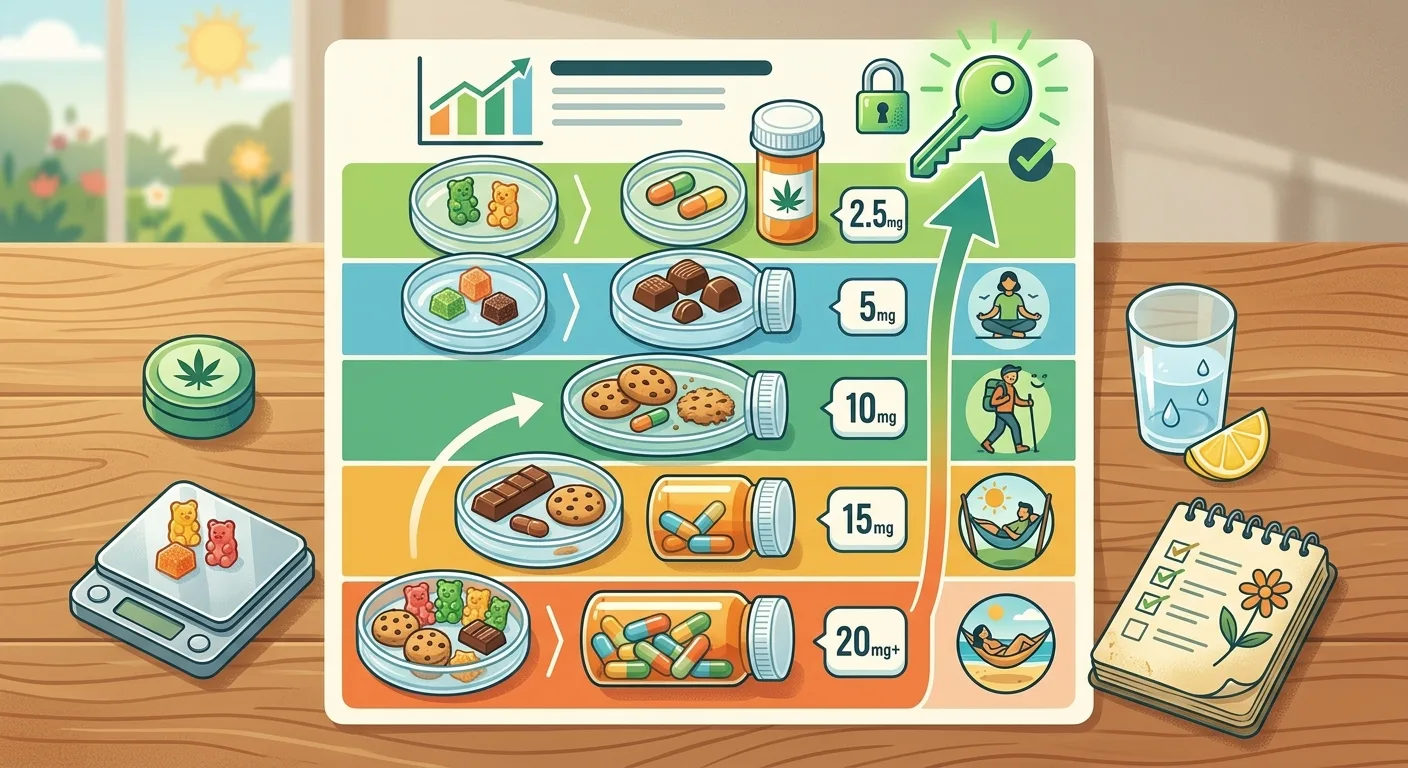
If you've ever wondered how many milligrams of THC you should take, you're asking the right question. Cannabis edibles affect everyone differently, and the difference between a pleasant experience and an overwhelming one often comes down to a single number: your dosage. This edibles dosage chart breaks down THC milligram ranges by effect level and experience, giving you a clear reference point whether you're trying edibles for the first time or fine-tuning your ideal dose.
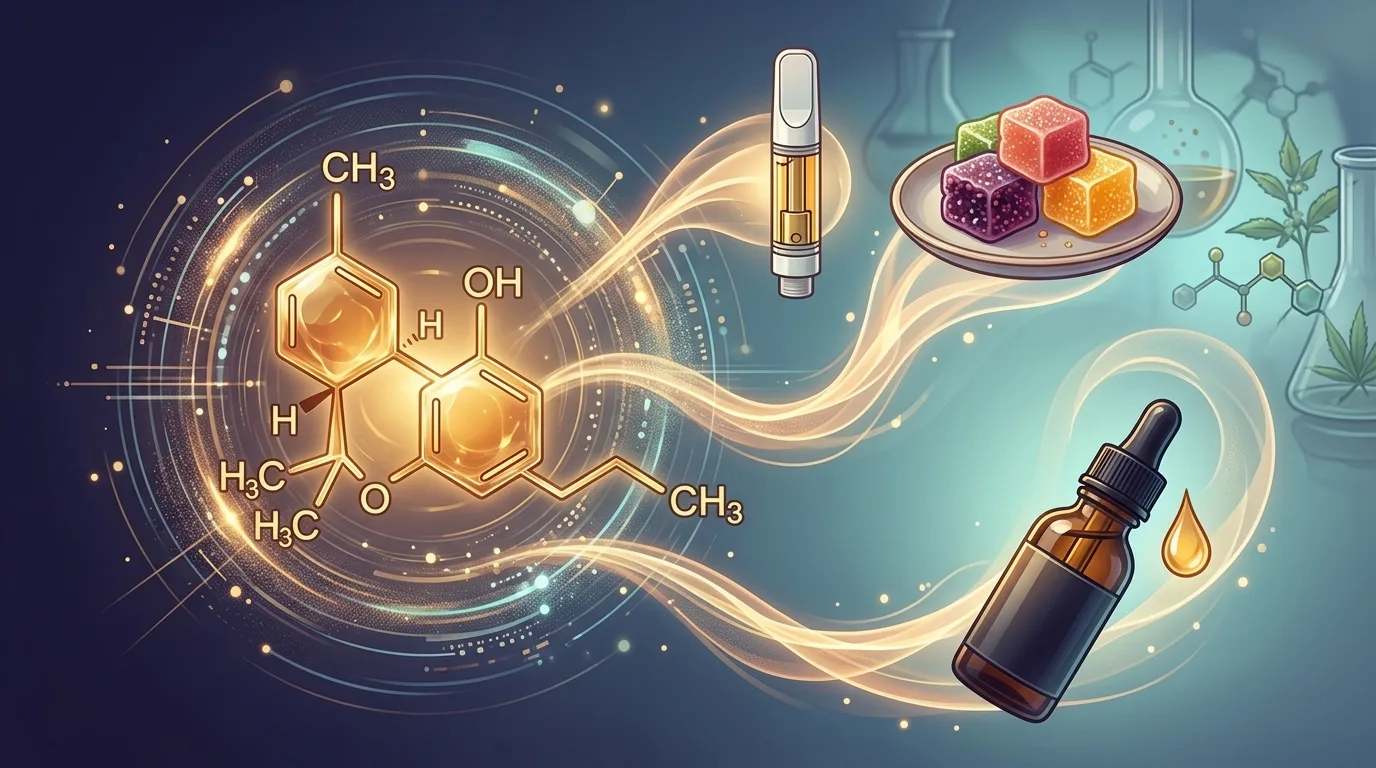
Unlike smoking or vaping, edibles are processed through your digestive system, which converts THC into a more potent compound. That's why 10mg of an edible can feel stronger than smoking cannabis with equivalent THC content. Understanding this difference is critical before you consume anything.
The Edibles Dosage Chart: THC Milligrams Mapped to Effects
This chart serves as your primary reference for edible dosing. Each range corresponds to typical effects reported by users at that experience level. Individual responses vary based on tolerance, body weight, metabolism, and whether you've eaten recently, but these ranges provide a reliable starting framework.
| THC Dose (mg) | Experience Level | Typical Effects | Best For |
|---|---|---|---|
| 1-2.5mg | Microdose | Subtle relaxation, mild pain relief, reduced anxiety, increased focus | First-time users, daytime functionality, precise symptom management |
| 2.5-5mg | Low Dose | Noticeable relaxation, pain relief, mild euphoria, stress reduction | Beginners, social situations, creative activities, light recreation |
| 5-10mg | Standard Dose | Clear euphoria, stronger pain relief, coordination changes, heightened senses | Recreational users, evening use, moderate tolerance, symptom relief |
| 10-20mg | Moderate-High Dose | Strong euphoria, significant pain relief, impaired coordination, altered perception | Regular users, established tolerance, therapeutic needs, extended relief |
| 20-50mg | High Dose | Very strong euphoria, heavy sedation, major impairment, intense sensory shifts | Experienced users with high tolerance, severe pain, insomnia treatment |
| 50-100mg+ | Very High Dose | Extreme impairment, possible nausea, intense psychological effects, risk of adverse reactions | Medical patients with significant tolerance, cancer treatment support, chronic conditions |
Print this chart or bookmark this page. It's the single most important reference you'll use when selecting cannabis edibles. The ranges represent community consensus built from thousands of user reports, clinical observations, and standardized product labelling across the Canadian cannabis market.
Understanding Why Dosage Matters More with Edibles
When you smoke or vape cannabis, THC enters your bloodstream through your lungs and reaches your brain within minutes. The effects peak quickly and fade within a few hours. Edibles follow a completely different metabolic pathway that fundamentally changes the experience.
After you swallow an edible, it travels through your stomach into your small intestine, where THC is absorbed into your bloodstream. From there, it passes through your liver before reaching your brain. This process, called first-pass metabolism, converts delta-9-THC into 11-hydroxy-THC, a compound that crosses the blood-brain barrier more easily and produces stronger psychoactive effects. This biochemical transformation is why edibles feel stronger than smoking equivalent amounts of THC.
The delayed onset compounds the dosing challenge. While smoking provides near-instant feedback, edibles can take 30 minutes to 2 hours to kick in, sometimes longer depending on your metabolism and what else you've eaten. This delayed response leads to the most common edible mistake: taking more before the first dose takes effect.
Individual Factors That Change Your Ideal Dose
No single chart fits everyone perfectly because several biological and situational factors influence how you process THC. Your body weight plays a role, though it's not as linear as alcohol metabolism. A 200-pound person won't necessarily need twice the dose of a 100-pound person, but weight does influence distribution and processing speed.
Your metabolism rate significantly affects both onset time and intensity. People with faster metabolisms often feel effects sooner but may experience shorter durations. Slower metabolisms can delay onset but extend the experience. Your liver's enzyme production, specifically CYP2C9 and CYP3A4, directly impacts how quickly you convert THC into its active metabolites.
Cannabis tolerance develops with regular use. If you consume cannabis daily, your endocannabinoid system adapts, requiring higher doses to achieve the same effects. Tolerance resets after abstinence, typically within 2-4 weeks, though some receptor changes persist longer. When restarting after a break, always begin with beginner doses regardless of your previous tolerance.
The Conservative Beginner's Approach: Start Low, Go Slow
If you're new to cannabis edibles, the most important advice you'll receive is deceptively simple: start with 2.5mg and wait at least 2 hours before considering more. This conservative approach prevents the overwhelming experiences that turn people away from edibles entirely. For a detailed breakdown of safe beginner dosing protocols and what to expect, our comprehensive guide walks through your first experience step-by-step.
Many first-time users feel pressure to "keep up" with experienced friends who consume 20mg or more. Ignore this pressure completely. Your endocannabinoid system is unique, and someone else's comfortable dose might leave you uncomfortably high for hours. There's no prize for consuming more THC than you need.
The "wait at least 2 hours" rule exists because edible onset varies dramatically. Factors affecting onset time include whether you've eaten recently, what you ate, your hydration level, and your individual digestive speed. Taking a second dose at the 45-minute mark because you "don't feel anything yet" is how people end up taking double or triple their intended dose, all of which hits simultaneously once absorption begins.
What to Expect from Your First 2.5mg Dose
At 2.5mg, most first-time users report subtle effects. You might notice slight relaxation, a gentle mood lift, or barely perceptible changes in how your body feels. Some people feel nothing at all from this microdose, which is actually a positive outcome for your first attempt. It means you've established a safe baseline and can increase by 2.5mg increments during your next session.
If you do feel effects from 2.5mg, they'll likely be pleasant and manageable. You'll remain functional and clear-headed, able to carry conversations and perform normal activities. This is the ideal introduction because it lets you experience cannabis effects without the anxiety that can accompany stronger doses.
Plan your first edible experience on a day when you have no obligations for at least 6 hours. Stay home or in a familiar, comfortable environment. Have snacks and water available. Queue up entertainment options. Most importantly, have a sober friend available by phone if you need reassurance, though you're unlikely to need it at this dose level.
Scaling Up: Finding Your Optimal Dose Range
After establishing your baseline response, you can gradually increase your dose to find your optimal range. This process takes patience. Space your dose increases by at least 3-5 days to allow your system to reset between experiments. Rushing this process by trying different doses on consecutive days muddies your data and increases tolerance faster.
Increase by 2.5mg increments if you're being cautious, or 5mg increments if your baseline dose produced minimal effects. Keep a simple log of your experiences: dose amount, onset time, peak effects, duration, and overall rating. This data becomes invaluable for dialing in your perfect dose and identifying patterns in how your body processes edibles.
Most recreational users find their sweet spot between 5-15mg. This range produces noticeable euphoria and relaxation without significant impairment. You can socialize comfortably, enjoy entertainment, and navigate your environment safely. When you find the dose that delivers your desired effects without uncomfortable intensity, you've found your optimal range.
When You Accidentally Take Too Much
Despite careful dosing, you might occasionally consume more than intended. Maybe you miscalculated, maybe the edible was unevenly distributed, or maybe you forgot you already ate one. If you realize you've taken too much, knowing what to expect and how to manage it reduces anxiety significantly.
The most important fact: you cannot fatally overdose on THC. While extremely uncomfortable, cannabis toxicity is not life-threatening. Your heart rate might increase, you might feel dizzy or nauseous, and time might feel distorted, but these effects will pass. Understanding the symptoms and timeline of greening out and how to manage it helps you stay calm if it happens.
Immediate steps for managing overconsumption: find a quiet, comfortable space to lie down. Focus on slow, deep breathing. Drink water and eat light snacks if you can. CBD can counteract some THC effects if you have it available. Call a trusted friend for reassurance. Remember that the peak will pass within 2-3 hours, with total effects fading within 6-8 hours. Sleep is your friend during recovery.
Special Dosing Considerations for Different Products
Not all edibles are created equal. The product format affects absorption speed, bioavailability, and sometimes the intensity of effects. Understanding these differences helps you adjust your dosing strategy based on what you're consuming.
Gummies and candies dissolve quickly in your mouth, allowing some THC to absorb sublingually through your mucous membranes. This can produce slightly faster onset compared to products that must be fully digested. Chocolates and baked goods take longer because they require complete breakdown in your stomach before THC can enter your bloodstream.
Hard candies designed for sublingual absorption, where you hold them under your tongue, can produce effects in 15-30 minutes. However, most people swallow them before full sublingual absorption occurs, resulting in a mixed onset pattern. Beverages fall somewhere in the middle, with carbonated drinks potentially absorbing slightly faster than non-carbonated options.
Homemade Edibles and Dosing Accuracy
Commercial edibles from licenced producers undergo lab testing to verify THC content and ensure even distribution throughout the product. Each gummy contains the labelled amount, give or take a small margin of error. Homemade edibles lack this consistency, making accurate dosing significantly more challenging.
When you make cannabutter or oil at home, the final THC concentration depends on the potency of your starting material, how much plant matter you used, how long you infused it, and at what temperature. Even if you calculate these variables perfectly, mixing the infused fat into your recipe can result in uneven distribution. One brownie might contain 15mg while another contains 40mg from the same batch.
If you consume homemade edibles, start with a very small portion, perhaps a quarter or a third of a serving, and wait the full 2 hours. Treat each new batch as an unknown until you've established its strength through careful testing. This conservative approach prevents the wildly variable experiences that give homemade edibles their unpredictable reputation.
Medical Dosing: Higher Ranges for Therapeutic Use
Patients using cannabis for medical conditions often require higher doses than recreational users. Chronic pain, cancer treatment side effects, severe anxiety, and sleep disorders may respond to doses in the 20-100mg range or higher. These therapeutic doses should be approached under medical supervision when possible, though many patients find their optimal dose through careful self-experimentation.
Medical users typically build tolerance faster because they consume cannabis daily or multiple times per day. A patient managing chronic pain might start their day with 25mg, take another 15mg at lunch, and 30mg before bed. These cumulative daily doses would overwhelm a recreational user but provide necessary symptom relief for someone with established tolerance and legitimate medical need.
The dosing escalation process for medical use follows the same principles as recreational dosing but operates on a different scale. Start low relative to your condition's severity, increase gradually until you achieve symptom relief, then maintain that dose consistently. Keep detailed records of your dosing schedule and symptom changes to identify optimal patterns.
CBD to THC Ratios and Balanced Dosing
Many medical and some recreational users prefer edibles with balanced CBD:THC ratios rather than THC-dominant products. CBD modulates THC's psychoactive effects, reducing anxiety and paranoia while maintaining therapeutic benefits. Common ratios include 1:1, 2:1, and 5:1 CBD to THC.
A 1:1 ratio product containing 10mg THC and 10mg CBD produces milder psychoactive effects than 10mg THC alone while potentially offering enhanced anti-inflammatory and anxiolytic benefits. Higher CBD ratios like 5:1 provide even more pronounced CBD effects with minimal high, appealing to users seeking therapeutic benefits without significant impairment.
When dosing balanced products, focus on the THC amount first since it drives the psychoactive experience. A 10:1 CBD:THC product with 50mg CBD and 5mg THC should be dosed according to the 5mg THC content, with the CBD considered a bonus modifier rather than the primary active compound for most users.
Timing Your Dose: When to Take Edibles for Best Results
When you consume an edible relative to your meals significantly affects onset time and intensity. Taking edibles on an empty stomach generally produces faster onset, sometimes within 30-45 minutes, but can also lead to stronger effects and potentially more nausea. Consuming edibles after a meal delays onset to 1-2 hours or more but often creates a smoother, more gradual experience.
The composition of your meal matters too. Fatty foods enhance THC absorption because cannabinoids are fat-soluble. Eating edibles alongside or after a meal containing healthy fats like avocado, nuts, or olive oil can increase bioavailability, meaning more of the THC enters your system. This can intensify effects even at the same dose you've taken before.
For consistent experiences, try to maintain similar eating patterns when taking edibles. If you typically consume them after dinner, continue that pattern. Switching between empty stomach and post-meal consumption with the same dose creates variable experiences that make it harder to dial in your optimal amount.
Duration and Planning Your Experience
Edible effects typically last 4-8 hours, significantly longer than smoking or vaping. The peak occurs 2-4 hours after consumption, with effects gradually tapering afterward. This extended duration requires more planning than other consumption methods. Don't take edibles if you have commitments within the next 6 hours minimum.
The duration curve varies by dose. Lower doses (2.5-5mg) might fade within 4-5 hours. Moderate doses (10-20mg) often last 6-7 hours. High doses (20mg+) can affect you for 8 hours or more, with residual grogginess the next morning. Factor this into your decision-making when choosing your dose and timing.
Evening consumption works well for most people because the extended duration aligns with sleep schedules. Take your edible 2-3 hours before your intended bedtime so peak effects coincide with when you want to relax or sleep. Morning or early afternoon dosing requires clearing your entire day of obligations.
Product Selection Based on Your Dosage Needs
Commercial edibles come in various dose increments, from 2.5mg microdose gummies to 100mg high-potency products. Choosing products that match your target dose simplifies accurate consumption. If your optimal dose is 7.5mg and you buy 10mg gummies, you'll need to cut them into thirds or quarters. Starting with products dosed at 2.5mg or 5mg increments provides more flexibility.
For precise low-dose control, look for products specifically marketed as microdose or beginner-friendly. These typically contain 2.5mg per piece, allowing you to fine-tune your intake in small increments. Mid-range products at 10mg per piece suit experienced users who've established their tolerance and can consume full pieces or easily divide them.
High-potency edibles marketed at 50mg, 100mg, or higher serve medical patients and users with significant tolerance. These products offer poor dose control for beginners and create cutting challenges if you need smaller amounts. Save the high-potency options for when you've established that you genuinely need those dose levels.
Find Your Perfect Dose Today
Browse our selection of precisely-dosed edibles, from 2.5mg microdose gummies to high-potency options for experienced users. All products lab-tested for accurate dosing.
Shop EdiblesFrequently Asked Questions About Edible Dosing
Wait at least 3-5 days between dose increases to allow your system to reset and to accurately assess each dose level. Taking different doses on consecutive days builds tolerance quickly and makes it difficult to identify your optimal amount. Space your experiments across different weeks if you want the clearest data about how each dose affects you specifically.
Yes, you can split edibles to achieve smaller doses, though precision varies by product. Gummies cut more easily and evenly than chocolates or baked goods. Use a clean knife and cut on a stable surface. Be aware that homogeneous mixing isn't always perfect, so split pieces might vary slightly in potency. Commercial products have more consistent distribution than homemade edibles.
Several factors cause variable responses to the same dose. Recent food intake dramatically affects absorption speed and intensity. Your hydration level, sleep quality, stress levels, and even menstrual cycle can influence how you process THC. Tolerance builds with regular use, requiring higher doses over time. Additionally, some edible batches have inconsistent distribution despite labelling, though this is rarer with commercial products.
Daily edible consumption is physically safe, but it builds tolerance rapidly and can create psychological dependence. Medical users often take daily doses for symptom management under guidance. Recreational users who consume daily will need to increase doses over time to achieve the same effects, making it harder to moderate use. Consider taking tolerance breaks every few weeks or limiting consumption to weekends if tolerance buildup becomes problematic.
Keep them calm and comfortable in a safe, quiet environment. Remind them the effects are temporary and will pass. Offer water and light snacks. Encourage slow, deep breathing. Black pepper or CBD can help reduce THC intensity if available. Do not let them drive or operate machinery. Most overconsumption resolves within 2-4 hours. Seek medical attention if they experience chest pain, difficulty breathing, or severe panic that doesn't improve with calming techniques.
Body weight influences edible effects but not as directly as with alcohol. A larger person might process THC slightly differently than a smaller person, but metabolism speed, tolerance, and liver enzyme production play bigger roles than weight alone. Two people of identical weight can have dramatically different responses to the same dose. Use the dosage chart as a starting point regardless of your size, then adjust based on your individual response.
Finding Your Perfect Dose: The Bottom Line
The edibles dosage chart provided here gives you the framework, but your perfect dose is personal. Start conservative with 2.5-5mg if you're new to edibles, wait the full 2 hours before considering more, and increase gradually across multiple sessions until you find the dose that delivers your desired effects without discomfort.
Keep records of your experiences, maintain consistent timing and eating patterns, and remember that tolerance develops with regular use. What works perfectly today might need adjustment in a month if you're consuming frequently. Reset your tolerance periodically by taking breaks, and always return to lower doses after abstinence periods.