Your mail order cannabis just arrived. You crack the seal on the package, pull out the jar, and stare at the buds inside. They look... fine? Maybe? But how do you actually know if what you're holding is top-shelf flower or mass-market mids?
Most cannabis consumers develop an intuitive sense of quality over time, but that knowledge is rarely codified. This guide breaks down the specific visual, tactile, and aromatic markers that separate exceptional weed from the merely adequate. Whether you're inspecting your first online order or your hundredth, these concrete checkpoints will help you evaluate what you've received with the same critical eye as a seasoned buyer.
Visual Inspection: What Good Weed Looks Like Before You Touch It
The first quality assessment happens through the jar or bag. Before you handle a single bud, your eyes can tell you most of what you need to know.
Trichome Coverage and Resin Density
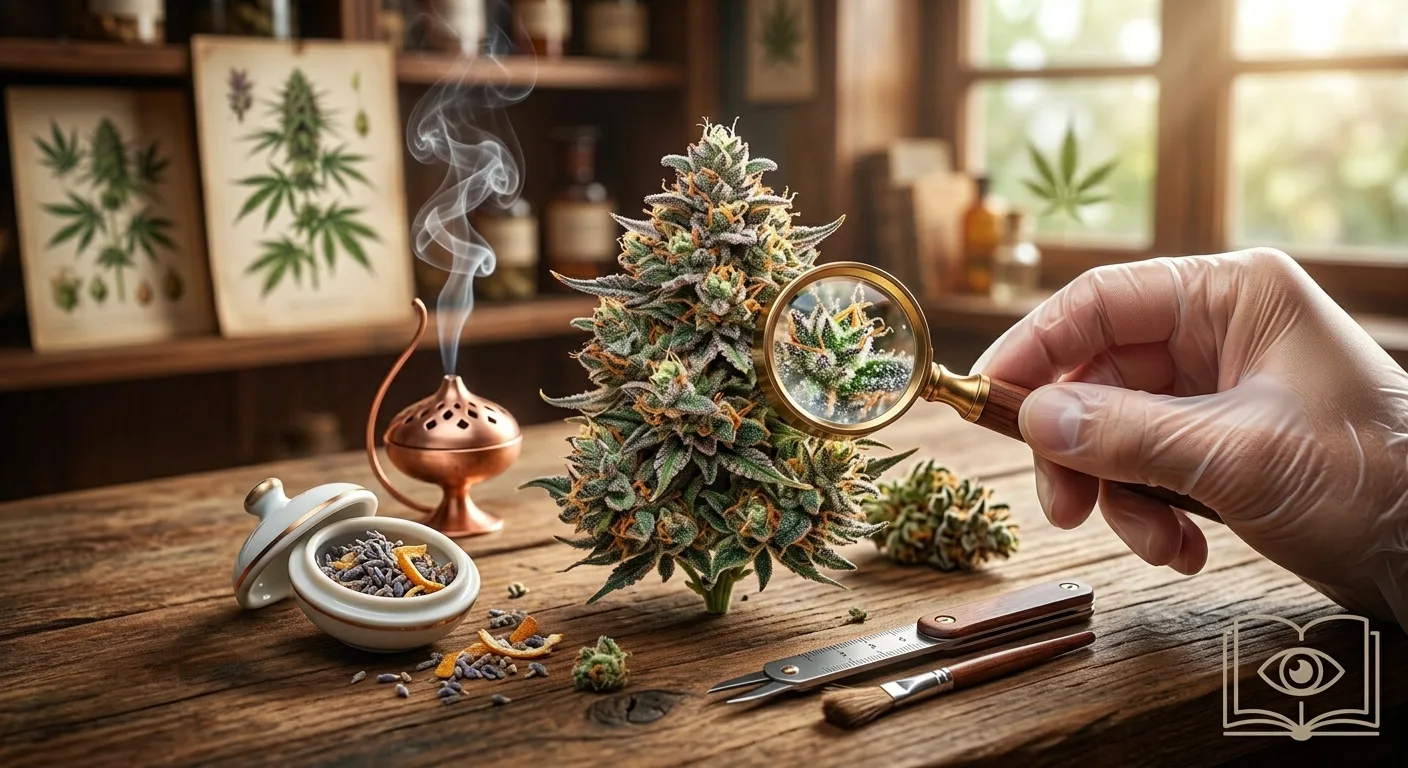
Premium cannabis should appear frosty under normal lighting. Those crystalline structures covering the surface are trichomes, the resin glands that produce cannabinoids and terpenes. High-quality flower will have dense trichome coverage that extends beyond the calyxes onto the sugar leaves.
Hold the container at an angle under a light source. Good weed will shimmer or sparkle as you rotate it. If the bud looks matte or dull green without any reflective quality, the trichome density is likely low, which typically correlates with lower potency and less complex effects.
The trichomes themselves should appear milky white or slightly amber, not clear. Clear trichomes indicate premature harvest. A mix of cloudy and amber trichomes signals optimal harvest timing for most cultivars.
Colour Palette and Pistil Health
Cannabis flowers display a spectrum of colours depending on genetics and growing conditions, but certain visual cues transcend strain variation. The underlying bud structure should show vibrant greens, purples, or blues, not brown or yellow tones. Brown colouration typically indicates oxidation, light degradation, or age.
Pistils (the hair-like structures emerging from calyxes) should be intact, not crumbled or mostly absent. While pistil colour ranges from white to deep orange or red depending on maturity and genetics, they should still be present and structurally sound. If most pistils have broken off or turned to dust, the flower has likely been over-handled, over-dried, or improperly stored.
Purple hues are a genetic trait, not a quality indicator, but they should appear naturally integrated into the bud structure. Artificially induced purple (from temperature stress late in flower) often looks painted on rather than integral to the plant tissue.
Bud Structure and Density
Squeeze one bud gently between thumb and forefinger. Premium flower should offer resistance, with a firm but slightly springy texture. It shouldn't compress into powder (over-dried) or feel spongy and wet (under-cured or improperly dried).
Bud structure varies by genetics. Indica-dominant varieties typically produce dense, compact nuggets, while sativa-leaning cultivars often form airier, more elongated flowers. Neither structure is inherently better, but within each category, the buds should feel substantial. Excessively fluffy sativa buds or rock-hard indica nuggets that crumble when broken suggest environmental stress during cultivation.
Check for visible seed development. The occasional premature seed in a large batch isn't disqualifying, but multiple mature seeds indicate pollination during flower, which diverts plant energy away from resin production toward seed development.
Trim Quality: The Detail Work That Separates Craft from Commercial
How a cultivator or processor trims the final product reveals their attention to detail and respect for the flower. This checkpoint often gets overlooked by newer consumers, but trim quality directly impacts your experience.
Machine Trim vs Hand Trim Indicators
Machine-trimmed cannabis typically shows a uniform, slightly rounded appearance with some trichome damage. The buds often have a tumbled look, with pistils sheared close to the surface. Hand-trimmed flower retains more natural contours and preserves delicate trichome structures, especially on outer calyxes.
Neither method automatically indicates inferior quality, but hand trimming generally preserves more trichomes and results in better bag appeal. For premium purchases, expect to see the natural bud structure with minimal mechanical damage.
Sugar Leaf Retention
Some sugar leaves (the small, trichome-covered leaves closest to the bud) are acceptable on top-tier flower, as long as they're heavily frosted. What you don't want to see is an excessive amount of fan leaves (larger, less resinous leaves) left on the bud.
A well-trimmed nug should have most fan leaves removed, with only the most resinous sugar leaves remaining. If you're pulling away large, single-toned green leaves to access the actual flower, the trim work is substandard. This doesn't necessarily mean the genetics or grow quality are poor, but it does mean you're paying for plant matter that contributes little to the experience.
Stem-to-Flower Ratio
Break apart a representative bud from your batch. The stem running through the centre should be proportional to the flower mass surrounding it. Excessively thick stems in small buds indicate you're paying for weight that won't contribute to your session.
Premium flower typically consists of dense calyxes with minimal stem presence. If you're left holding a substantial stick after smoking or vaping a gram, the bud structure likely wasn't ideal to begin with. For Cali brick products or compressed flower, this ratio becomes even more important since the pressing process can disguise stem content.
The Snap Test: Evaluating Cure Quality Through Stem Behavior
The cure process is where good genetics and careful cultivation either reach their potential or fall short. A proper cure allows chlorophyll to break down, terpenes to develop fully, and moisture content to stabilize. You can assess cure quality through a simple tactile test.
How to Perform the Snap Test
Select a medium-sized stem extending from a bud. Bend it slowly. A properly cured stem will offer resistance, then snap cleanly with an audible crack. If the stem bends without breaking, the flower retains too much moisture and may develop mold during storage. If it crumbles to dust or shatters on contact, the bud is over-dried.
The ideal moisture content for cured cannabis sits between 55-62% relative humidity within the flower structure. At this range, stems snap cleanly while the flower itself remains slightly pliable. This balance preserves terpenes, prevents mold, and ensures smooth combustion or vapourization.
Interior Moisture Assessment
Break a bud in half. The interior should pull apart with slight resistance, revealing a lighter green core that's neither wet nor dusty. If the inside feels noticeably damper than the exterior, the dry was rushed and the cure likely inadequate. If the centre crumbles to powder, the flower was over-dried before curing could complete.
A rushed or absent cure produces harsh smoke with grassy or hay-like flavours, regardless of genetic potential. The cannabis might still be potent, but the experience will be significantly degraded. Understanding what lab reports can and cannot tell you helps here: a COA shows cannabinoid content but says nothing about cure quality or terpene preservation.
Aroma: The Most Telling Quality Indicator
If visual and tactile inspection can give you 70% confidence in your flower quality, aroma provides the remaining 30%. A properly grown, cured, and stored cannabis flower should announce itself the moment you open the container.
The Opening Test
Before you've removed a single bud, crack the seal on your jar or bag. The initial aromatic release tells you almost everything about terpene preservation. Premium flower produces an immediate, complex scent profile. You should detect distinct notes: citrus, pine, fuel, earth, berries, or spice, depending on the cultivar.
If you have to put your nose directly over the opening to detect any smell, something went wrong in the cultivation, cure, or storage process. Cannabis naturally produces aromatic terpenes as a defence mechanism and attractant. If those compounds are barely perceptible, they've likely degraded or were never abundant to begin with.
Weak aroma doesn't always indicate poor quality genetics. More often, it signals improper drying (too hot or too fast), insufficient cure time, or degraded storage conditions during transport. Even exceptional cultivars will smell like hay if rushed from harvest to package.
Complexity vs One-Note Profiles
Quality cannabis rarely smells like just one thing. As you examine the aroma more closely, you should detect layers: perhaps a dominant fuel note backed by subtle citrus, with an earthy undertone. This complexity comes from the entourage effect of multiple terpenes working in concert.
Generic weed smell (that stereotypical skunky odour without distinction) often indicates either mixed genetics with no standout terpene expression or degraded aromatics. While some classic strains lean heavily into singular profiles (Sour Diesel's overwhelming fuel, for example), even these should have subtle supporting notes on closer inspection.
Warning Scents
Certain smells always indicate problems. Musty, mildewy, or moldy aromas mean contamination and the product should not be consumed. A chemical or ammonia scent suggests incomplete flushing (residual nutrients in plant tissue) or bacterial contamination during cure. Hay or grass smells indicate premature packaging before cure completion.
The scent should also persist. If the initial opening smells promising but the aroma disappears after 30 seconds of exposure to air, terpene content is likely marginal. Premium flower continues to emit scent throughout the session, with some cultivars actually smelling stronger after being broken apart as interior trichomes release their contents.
Touch and Texture: The Final Physical Assessment
After visual and aromatic inspection, tactile evaluation confirms your initial assessment or reveals hidden issues.
Surface Tackiness
Gently roll a bud between your fingers without applying pressure. Premium, properly cured cannabis should feel slightly sticky or tacky from resin content, but not wet or moist. Your fingers should pick up a light coating of trichomes (visible as a slight shimmer on your skin), but the bud shouldn't leave your fingers damp.
Excessive stickiness might seem like a good sign, but it often indicates incomplete drying. If the flower feels sticky in a wet way rather than a resinous way, moisture content is too high. Conversely, if the bud feels completely dry and leaves no residue on your fingers, resin content is likely low or the flower is significantly degraded.
The Crumble Test
Take a small portion of a bud and break it apart over a clean surface. It should separate along natural seams with moderate finger pressure, not crumble to dust or require significant force to separate. The broken pieces should maintain structural integrity, not immediately deteriorate into shake.
As you break it down, watch what falls onto your surface. Some trichomes will naturally separate (this is normal), but you shouldn't see a shower of crystals or an excessive amount of dust. If a significant percentage of the bud mass becomes powdered material upon breaking it apart, the flower is over-dried or was mishandled during processing.
The consistency should remain relatively uniform throughout the bud. If the outside feels dry but the inside is noticeably different (either wetter or more brittle), the drying or curing process was uneven. For certain strains available through mail order, like Rock Bubba from BC Bricks, the compressed format requires slightly different assessment since the pressing process affects texture, but the interior should still break apart cleanly without dust or excessive moisture.
Seed and Contaminant Check
As you break apart your sample bud, examine the material closely. You're looking for anything that isn't flower: seeds, insect parts, mold spots, or foreign debris. While the occasional immature seed can occur even in well-managed grows, mature seeds in multiple buds indicate pollination stress.
Check for small white or grey fuzzy spots, which indicate mold. These typically appear on dense indica buds or anywhere moisture became trapped during cure. Any visible mold in any quantity means the entire batch should be discarded. Mold produces mycotoxins that pose health risks even when combusted or vapourized.
Contextualizing Quality: Price Point and Expectation Management
The checkpoints above apply across the quality spectrum, but your expectations should align with what you paid. A budget ounce won't exhibit the same characteristics as small-batch craft cannabis, and that's okay if you understand what you're getting.
Budget Tier Expectations
Value-priced cannabis (typically $4-7 per gram in bulk) will often show machine trim, moderate trichome coverage, and simpler aromatic profiles. This doesn't make it bad weed; it makes it appropriately priced weed. At this tier, you should still expect: no mold or contamination, proper cure (passing the snap test), intact bud structure, and some perceptible aroma.
What you likely won't see at this price point: dense trichome coating, complex multi-layered terpene profiles, hand trim, or exotic genetics. If your budget purchase meets the basic safety and cure quality standards, it's performing as expected.
Mid-Tier Benchmarks
Mid-range flower ($8-12 per gram) should show noticeably improved characteristics. Expect better trim work, stronger aromatics, increased trichome density, and more distinctive strain characteristics. The cure should be dialed in, with proper moisture content and no grassy notes.
This tier is where genetics start to matter more. You're paying for cultivars with proven terpene profiles and more careful growing practices. If mid-tier purchases fail basic quality tests (weak aroma, poor cure, excessive stem), you're not getting appropriate value. When evaluating products like Tom Ford Pink Kush or other premium-positioned mid-tier options, they should clearly exceed budget offerings in multiple checkpoints.
Craft and Premium Standards
Top-tier cannabis ($13+ per gram) should excel in nearly every category. These products justify their premium through hand trim, optimal harvest timing, superior genetics, careful cure, and exceptional terpene preservation. At this level, you should see heavy trichome coverage, complex aromatics that persist throughout the session, perfect cure, and minimal stem content.
If premium-priced cannabis doesn't clearly surpass mid-tier offerings in most inspection checkpoints, the price differential isn't justified. Some brands rely more on marketing than quality to command high prices. Your sensory inspection will reveal whether you're paying for actual quality or just packaging and hype.
Red Flags: When to Contact Your Supplier
Most quality issues fall into the "not ideal but acceptable" range. A few problems, however, warrant immediate communication with your mail order service.
Contamination Issues
Any visible mold, regardless of amount, is non-negotiable. Don't attempt to remove affected portions and use the rest. Mold spreads through mycelium networks that aren't always visible, and the health risks aren't worth it. Contact your supplier immediately with photos.
Similarly, insect parts, webbing, or other foreign material indicates processing or storage contamination. Reputable suppliers will replace contaminated products without argument. Understanding how mail order works helps set expectations for how these issues should be resolved.
Moisture Extremes
Cannabis that arrives noticeably wet (failing the snap test, feeling damp rather than sticky, or showing condensation inside packaging) poses mold risk. While you might be able to salvage it through proper drying, the supplier should be notified. Properly packaged cannabis maintains stable moisture content during shipping.
Conversely, flower that arrives as virtual dust has been over-dried to the point where terpenes and potency have likely degraded significantly. This sometimes happens with older inventory or improper storage. Again, documentation and communication with the supplier is warranted.
Dramatic Discrepancy from Product Description
If you ordered a specific strain advertised as "AAAA craft indoor" and received what clearly reads as outdoor budget flower, that's a fulfillment error or misrepresentation. Take photos of the product next to the packaging and contact support. Reputable mail order services stand behind their product descriptions and grading systems.
Building Your Quality Assessment Skills Over Time
The inspection process becomes intuitive with practice. Your first few evaluations might take 10 minutes as you methodically work through each checkpoint. Within a few months, you'll make most of these assessments in seconds.
Keep notes on standout purchases, both positive and negative. When you find flower that excels across multiple categories, note the supplier, strain, and specific characteristics. This builds your personal quality baseline and helps you make better purchasing decisions over time.
Compare products side-by-side when possible. Order a budget option and a premium option simultaneously, then run through the inspection checklist on both. The quality differences that seem abstract in description become immediately obvious in direct comparison. This comparative process trains your eye, nose, and fingers faster than sequential evaluation.
Remember that quality assessment serves your satisfaction, not an abstract standard. If you genuinely enjoy a budget strain that doesn't check every premium box, that's fine. These guidelines help you understand what you're getting and whether the price aligns with the quality, not dictate what you should enjoy.
Ready to Put Your New Knowledge to Use?
Browse our selection of quality-verified cannabis products with detailed descriptions and transparent grading. Every order is backed by our satisfaction guarantee.
Shop Quality CannabisFrequently Asked Questions
While some cultivars naturally show darker colouration, brown typically indicates oxidation or age rather than genetics. Purple and deep green are natural; brown usually signals degradation of chlorophyll and potentially cannabinoids. The exception is certain hash varieties and some outdoor cultivars that darken naturally during late-season harvest.
Premium flower should have minimal stem presence. As a rough guideline, stems should account for less than 10% of total weight in top-tier products. If you're removing more than a gram of stem material from a quarter ounce purchase, the bud structure likely isn't ideal for the price point.
High-quality cannabis should produce noticeable aroma on opening, but intensity varies by strain genetics and terpene profile. Some exceptional cultivars have more subtle aromatics than loud, fuel-heavy strains. What matters more is complexity and persistence of the scent rather than raw volume.
No. Machine trimming is a processing choice that affects aesthetics and trichome preservation but doesn't determine grow quality or genetics. Many excellent cultivars are machine trimmed for consistency and efficiency. Hand trimming generally preserves more trichomes and looks better, but machine-trimmed flower can still be high quality if the underlying cultivation was sound.
Visual inspection cannot reliably detect irradiation. Some consumers report that irradiated cannabis smells slightly different (less aromatic) or burns to lighter ash, but these indicators are inconsistent. If radiation treatment concerns you, check supplier sourcing practices or lab reports, which sometimes indicate if the product was irradiated for sterilization.
Strong pine aroma typically indicates high pinene terpene content, which is natural and desirable. If the scent is more chemical than natural pine, it might suggest residual pesticides or nutrients, though this is uncommon in regulated cannabis. Trust your instincts: natural pine smells woody and fresh; chemical pine smells harsh and artificial.
Conclusion: Confidence Through Informed Inspection
Learning to evaluate cannabis quality transforms you from passive consumer to informed buyer. The visual check for trichome coverage and proper colour, the snap test for cure quality, the aromatic assessment for terpene preservation, and the tactile evaluation for moisture content collectively paint a complete picture of what you've received.
These skills protect you from overpaying for inferior product and help you identify exceptional value when you find it. Whether you're inspecting your first mail order delivery or your hundredth, running through this sensory checklist ensures you know exactly what you're getting.
Quality cannabis isn't about chasing the highest THC percentage or the most exotic strain name. It's about proper cultivation, careful curing, and respectful handling from harvest to your hands. When you can recognize these qualities on sight, smell, and touch, you'll never question whether you got what you paid for again.