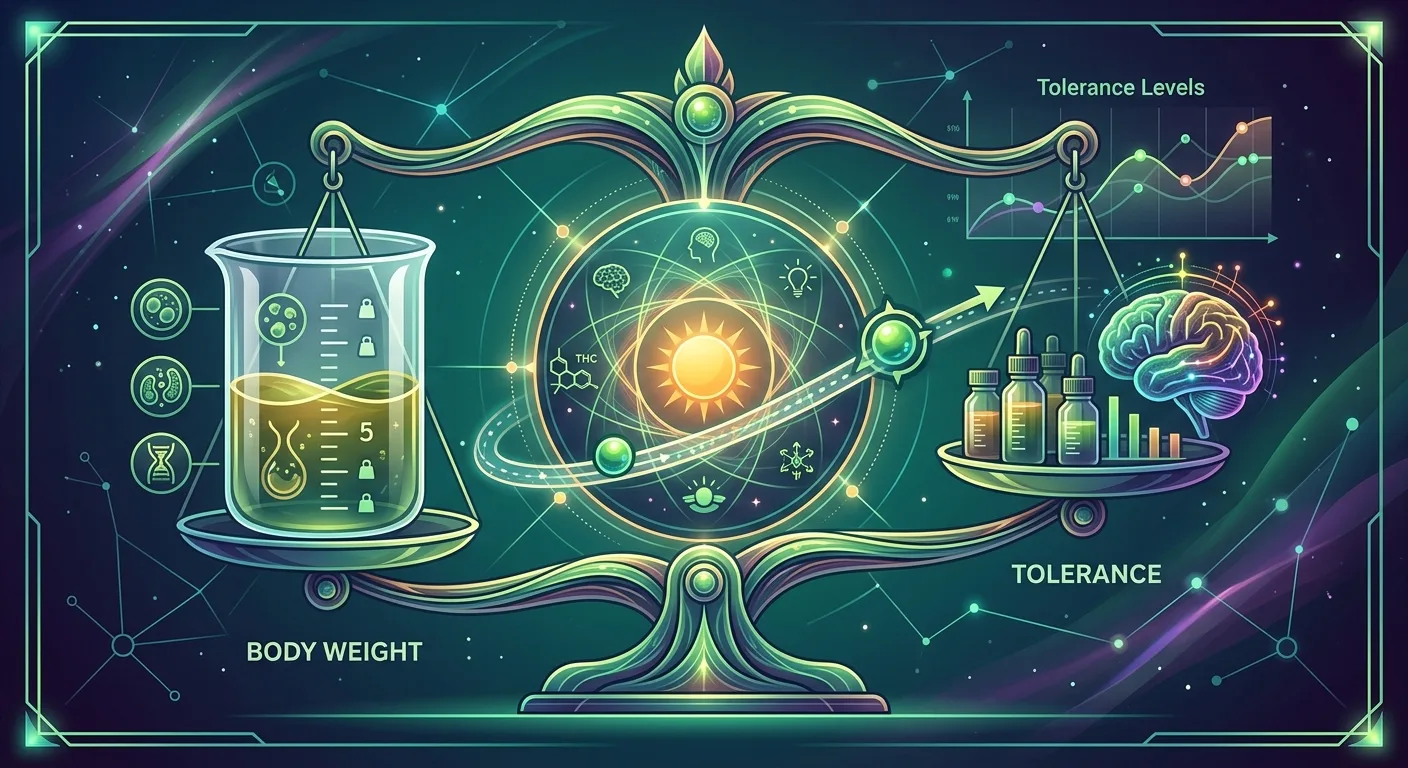
If you've ever wondered why your friend gets perfectly relaxed from a 10mg edible while you barely feel a thing, or why someone half your size seems to handle THC better than you do, you're asking the right questions. The cannabis industry loves to tout THC percentages as the ultimate measure of potency, but the reality is far more nuanced. Your ideal THC dose depends on a complex interplay of factors that go well beyond simple math based on your weight.
While body weight does play a role in THC dosing, it's just one piece of a much larger puzzle. Your metabolism speed, prior cannabis experience, whether you've eaten recently, your unique endocannabinoid system, and even your liver enzyme profile all dramatically influence how THC affects you. Understanding these variables is essential for finding your personal sweet spot, whether you're microdosing for focus, seeking therapeutic relief, or looking for a stronger recreational experience.
Why Body Weight Alone Doesn't Predict Your THC Response
The common assumption that larger people need more THC while smaller people need less is oversimplified to the point of being misleading. Yes, body mass does influence drug distribution to some degree, but THC behaves differently in the body compared to substances like alcohol where weight-based dosing is more predictable.
THC is highly lipophilic, meaning it binds readily to fat tissue rather than water. This creates a different distribution pattern than water-soluble substances. Two people of identical weight can have vastly different body compositions, with one person carrying more adipose tissue than the other. The person with higher body fat percentage may actually experience a slightly delayed onset and prolonged duration as THC stores in and slowly releases from fat cells.
The Distribution Volume Problem
When THC enters your system, it doesn't distribute evenly throughout your entire body mass. Instead, it concentrates in areas with high concentrations of cannabinoid receptors, particularly in brain tissue and fatty tissues. A 200-pound person with 30% body fat will have a different THC distribution pattern than a 200-pound person with 15% body fat, even though their weight is identical.
This is why weight-based dosing charts that suggest specific milligram amounts per kilogram of body weight are fundamentally flawed for cannabis. They ignore the most critical variables that actually determine your response.
Metabolism: The Hidden Variable That Changes Everything
Your metabolic rate and the specific enzyme activity in your liver are arguably the most important factors in determining how THC affects you. This is especially true for edibles, which must pass through your digestive system and liver before reaching your bloodstream.
The First-Pass Effect and Liver Enzymes
When you consume cannabis edibles, the THC travels through your stomach and intestines before being absorbed and sent to your liver for processing. This is called the "first-pass metabolism," and it's where the magic (or frustration) happens. Your liver contains enzymes from the cytochrome P450 family, particularly CYP2C9 and CYP3A4, which break down THC.
Here's where individual variation becomes extreme: some people have highly active versions of these enzymes that rapidly metabolize THC, while others have slower-acting variants. If you're a fast metabolizer, a standard 10mg edible might feel like 5mg to someone else. If you're a slow metabolizer, that same 10mg could hit you like 20mg.
Even more fascinating, during first-pass metabolism, your liver converts delta-9-THC (the form in the plant) into 11-hydroxy-THC, which is actually more potent and crosses the blood-brain barrier more efficiently. The ratio of conversion varies between individuals, explaining why some people find edibles far more intense than smoking the same amount of THC.
Metabolic Rate and Cannabis Tolerance
Your general metabolic rate affects how quickly your body processes and eliminates THC. People with faster metabolisms tend to feel effects sooner but for shorter durations. They may need to redose more frequently but also tend to clear THC from their system faster between sessions.
Interestingly, regular exercise can temporarily increase your metabolic rate and may even release stored THC from fat cells back into your bloodstream, which is why some regular cannabis users report feeling mild effects when they start working out intensely after a period of inactivity.
Prior Experience and Tolerance: Your Brain's Adaptation to THC
Cannabis tolerance is a real, measurable phenomenon that occurs at the receptor level in your brain. When you use THC regularly, your endocannabinoid system makes adaptations to maintain equilibrium, and these changes dramatically affect how much THC you need to achieve desired effects.
How Tolerance Develops at the Cellular Level
CB1 receptors, the primary targets of THC in your brain, undergo downregulation with repeated exposure. This means your neurons actually produce fewer receptors or make existing receptors less sensitive when they're constantly activated by THC. Think of it as your brain's way of turning down the volume when it's exposed to loud music day after day.
This adaptation can happen surprisingly quickly. Studies show that daily cannabis users can experience measurable receptor downregulation within just a few days of consistent use. Heavy daily users may have 20-30% fewer available CB1 receptors than non-users, which explains why someone who smokes every day might need doses that would overwhelm a novice user.
Experience Versus Tolerance: Not the Same Thing
It's important to distinguish between pharmacological tolerance (physical receptor changes) and experiential familiarity. A cannabis-naive person might panic at moderate doses simply because they're unfamiliar with the sensations, while someone with experience can remain calm and functional at the same dose without having developed significant receptor tolerance.
Experience teaches you what to expect, how to manage anxiety if it arises, and how to function while high. This psychological component means that two people with the same receptor density might have vastly different experiences at the same dose based purely on their familiarity with the effects.
If you're looking to manage tolerance more effectively, understanding how tolerance breaks work can help you reset your cannabinoid receptors and reduce the amount you need to achieve desired effects.
Tolerance Patterns by Consumption Method
Different consumption methods create different tolerance patterns. Smoking or vaping tends to build tolerance quickly because of the rapid, high-concentration spikes in blood THC levels. Edibles may build tolerance more slowly due to the gradual onset and lower peak concentrations, though the longer duration means your receptors are occupied for extended periods.
The Empty Stomach Effect: Timing Your THC Intake
Whether you've eaten recently has a profound impact on THC absorption, onset time, and intensity, particularly for edibles. This variable is often overlooked but can be the difference between a mild experience and an overwhelming one.
Fatty Food and THC Bioavailability
THC's lipophilic nature means it absorbs much better in the presence of dietary fats. When you take an edible on an empty stomach, absorption is slower and often less complete. Take that same edible after a meal containing healthy fats, and you may absorb significantly more THC, sometimes 2-3 times as much.
This is why many experienced users recommend taking edibles with a small fatty snack (nuts, avocado, cheese, or coconut oil) for more predictable effects. Some people who claim "edibles don't work on me" may simply have been taking them on an empty stomach or with low-fat meals, leading to poor absorption.
Onset Time Variability
An empty stomach typically means faster onset but potentially lower total absorption. You might feel effects in 30-45 minutes but they may be weaker. A full stomach slows onset (sometimes up to 2 hours) but increases total absorption, potentially creating stronger effects that last longer.
This is one reason why new users sometimes make the mistake of taking a second dose too soon. They take an edible on a full stomach, don't feel anything after an hour, take more, and then both doses hit simultaneously once the food starts digesting. Understanding why edibles sometimes don't work as expected can help you avoid this common pitfall.
Stomach pH and Cannabis Absorption
Your stomach's pH level, which varies based on when you last ate and what you consumed, affects how cannabis compounds are absorbed. More acidic environments (empty stomach, coffee consumption) may alter the degradation of THC before it reaches your intestines where most absorption occurs.
Some people find that taking edibles with alkaline foods or after drinking milk creates more consistent effects, though research on this specific interaction is still limited.
Practical Dosing Guidelines: Finding Your Personal Starting Point
Given all these variables, how do you actually determine your appropriate THC dose? The answer requires a methodical approach that accounts for your unique biology and circumstances.
Starting Doses by Experience Level
Complete Beginners (No Cannabis Experience): Start with 2.5mg THC for edibles or a single small puff from a vapourizer or joint. Wait at least 2 hours before considering more. Your initial goal is to barely feel effects so you understand what THC does in your body.
Occasional Users (Once a Month or Less): 5-10mg for edibles is a reasonable starting point, or 2-3 puffs from an inhalation method. You likely have minimal tolerance, so err on the lower side and adjust upward slowly.
Regular Users (Weekly Use): 10-20mg for edibles or moderate inhalation sessions. At this frequency, you're developing some tolerance but probably haven't hit the point of significant receptor downregulation.
Daily Users: Doses vary wildly in this category, from 20mg up to 100mg+ for edibles, depending on how long you've been using daily. Heavy daily users often need to consider tolerance breaks or rotating strains to manage escalating dose requirements.
Method-Specific Dosing Considerations
Inhalation methods (smoking, vaping) offer more control for finding your dose because effects appear within minutes. Take one puff, wait 10-15 minutes, assess, and continue as needed. This titration method is impossible with edibles due to the delayed onset.
For those interested in trying edibles, products like edibles offer different advantages than smoking in terms of duration and body effects, but require more patience and planning. When you're ready to explore edible options, something like
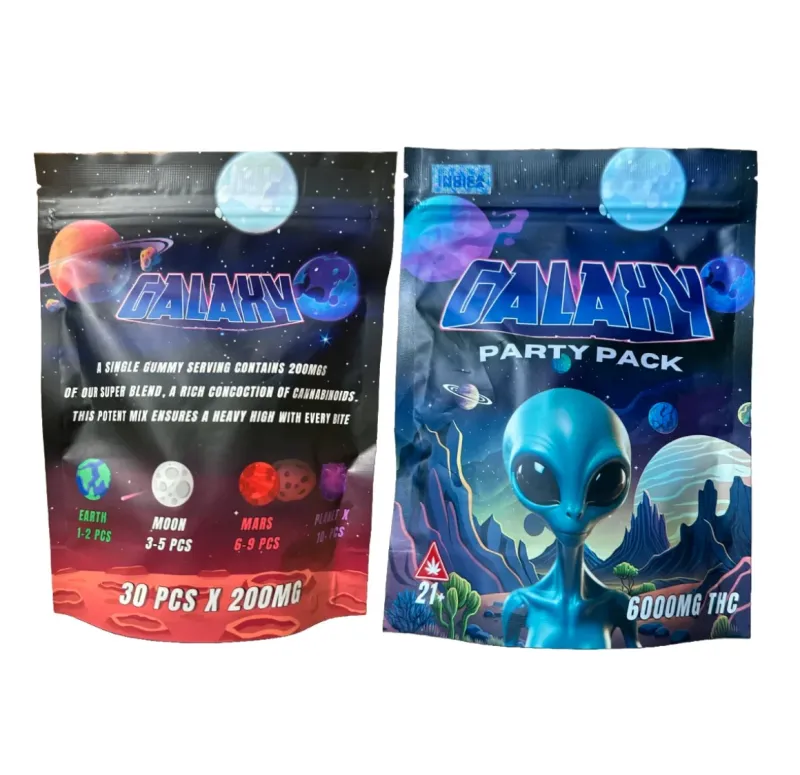
Galaxy Gummies 6000mg THC Edible Gummies
Galaxy Party Pack with 30 gummies at 200mg each and 6,000mg THC total, available as one...
offers clearly dosed pieces that make it easy to start with a precise amount.
Pre-rolls offer a middle ground, especially products like

Drizzle Factory Craft Pre Rolls 10 Pack today!
Ten slim handcrafted pre-rolls made with premium cannabis flower and a Delta-9 infusion...
, which provide consistent quality and allow you to smoke just a portion and save the rest, making dose control easier than with flower you roll yourself.
The "Wait and See" Protocol
For edibles, establish a strict protocol: choose your dose, consume it with a small fatty snack, note the time, and commit to waiting a full 2 hours before any consideration of additional dosing. Keep a simple log: date, dose, what you ate, onset time, peak effects, and duration. After 3-4 sessions, patterns will emerge that help you dial in your optimal dose.
Special Populations and Dosing Adjustments
Age-Related Metabolic Changes
Metabolic rate naturally slows with age, and liver enzyme activity can change as well. Older adults often find they need lower doses than they did in their youth, even if they've maintained the same usage patterns. Additionally, older adults are more likely to be taking medications that interact with the same liver enzymes that metabolize THC, potentially intensifying effects.
Medication Interactions
Many common medications affect the cytochrome P450 enzymes that metabolize THC. Antifungals, some antibiotics, grapefruit juice, certain antidepressants, and many other substances can slow THC metabolism, effectively increasing your dose. If you take any regular medications, research potential interactions or consult with a knowledgeable healthcare provider before establishing your THC dosing.
Sex Differences in THC Response
Research suggests some sex-based differences in THC response, though the science is still developing. Females may develop tolerance more quickly but also may be more sensitive to THC's pain-relieving effects. Hormonal fluctuations throughout the menstrual cycle can affect cannabinoid receptor sensitivity, meaning the same dose might feel different at different points in the cycle.
When Body Weight Actually Matters (A Little)
Despite everything covered above, body weight does have some influence on THC dosing, particularly at the extremes. A 100-pound person and a 250-pound person do have different volumes of distribution, and this affects initial blood concentration after dosing.
The Limited Role of Weight-Based Calculations
If you want to use body weight as one factor among many, a very rough guideline for THC-naive individuals is 0.15-0.25mg of THC per kilogram of body weight for edibles as an initial test dose. For a 70kg (154lb) person, that's approximately 10.5-17.5mg. But remember: this ignores metabolism, tolerance, food intake, and enzyme activity, so it's merely a loose starting point.
For regular users, weight-based calculations become even less useful because tolerance is the dominant factor. A 120-pound daily user likely needs far more THC than a 200-pound occasional user.
Body Composition Over Total Weight
If you do want to consider body metrics, body composition (fat percentage versus lean mass) is more relevant than total weight for predicting THC distribution. However, this still doesn't account for the metabolic variables that have far greater impact on your actual experience.
Adjusting Your Dose Over Time
Finding your initial dose is just the beginning. Your optimal dose will change as your experience, tolerance, and even your reasons for using cannabis evolve.
The Plateau Problem
Many regular users find themselves in a slow upward creep of dose requirements. You need a little more this month than last month, and the trend continues until you're using amounts that would have been unthinkable when you started. This is normal tolerance progression, but it's worth periodically asking whether you're getting proportionally more benefit from the higher doses.
Sometimes taking a tolerance break or simply holding steady at your current dose rather than increasing can help break this cycle. Your receptors may slowly upregulate even without a complete break if you stop the escalation.
Rotating Strains and Consumption Methods
Some users find that rotating between different strains or switching between consumption methods helps manage tolerance. While THC is THC regardless of source, different terpene profiles and minor cannabinoid ratios may affect how your endocannabinoid system responds.
For example, alternating between indica-dominant and sativa-dominant strains, or switching between edibles and inhalation methods, might prevent your system from fully adapting to one specific pattern of cannabinoid delivery. When you're looking to explore different strain options, understanding why terpenes matter as much as THC percentage can help you choose varieties that offer genuinely different experiences.
Microdosing as Tolerance Management
Microdosing (consuming sub-perceptible or barely perceptible doses of 1-3mg THC) has gained popularity not just for functional benefits but as a tolerance management strategy. By keeping your daily exposure low, you may avoid the rapid receptor downregulation that comes with higher doses, allowing you to maintain sensitivity while still getting therapeutic benefits.
Safety Considerations and When to Seek Help
While THC overdose is not medically dangerous in the way opioid or alcohol overdose can be, taking too much can create intensely uncomfortable experiences that last several hours.
Signs You've Taken Too Much
Extreme anxiety, paranoia, rapid heartbeat, nausea, dizziness, and feeling "stuck" in uncomfortable thought loops are signs of THC overconsumption. If this happens, remember that it's temporary, you're physically safe, and the effects will pass. Find a quiet, comfortable space, stay hydrated, try to eat something if possible, and consider having some CBD on hand (which can help counteract THC's intensity).
When to Get Medical Help
If you experience persistent vomiting, chest pain, severe confusion, or if you're concerned about your physical safety, don't hesitate to seek medical attention. Medical professionals can provide supportive care and will not report you to authorities simply for cannabis use, especially in Canada where it's legal.
For younger users or those new to online ordering, understanding how to safely purchase cannabis online ensures you're getting properly labelled products with accurate dosing information, which is essential for dose control.
Ready to Find Your Perfect Dose?
Explore our selection of precisely dosed edibles, carefully curated strains, and expert-tested products to help you discover your ideal cannabis experience.
Shop THC ProductsFrequently Asked Questions
Body weight has only a modest effect on THC dosing compared to factors like metabolism and tolerance. A rough estimate is 0.15-0.25mg per kilogram of body weight for complete beginners, but individual variation is so significant that this should only be a loose starting point. Metabolic factors and prior experience matter far more than weight alone.
Many factors create day-to-day variability: what and when you last ate, your hydration level, stress levels (which affect the endocannabinoid system), medication interactions, sleep quality, and even hormone fluctuations. This is why keeping a dosing journal helps identify patterns in your personal response.
Fast metabolizers typically need higher initial doses because they break down THC quickly, but they also clear it from their system faster, meaning effects don't last as long. They may feel they need to redose more frequently. Slow metabolizers often need smaller doses but experience longer-lasting effects.
Wait at least 2 full hours after your initial dose before even considering additional consumption, and preferably don't add more on your first attempt with a new dose level. Try the same dose 2-3 times on different occasions to see if your response is consistent before increasing.
Yes, tolerance develops at the receptor level, so if you have tolerance from smoking, you'll need higher edible doses too. However, because edibles produce 11-hydroxy-THC (a more potent metabolite), some heavy smokers still find edibles surprisingly strong even with high tolerance.
No evidence suggests that cannabis use causes permanent receptor damage. Receptor downregulation from heavy use is reversible with abstinence or reduced consumption. Studies show that CB1 receptor density returns to near-normal levels within 2-4 weeks of stopping heavy use.
Conclusion: Your Dose Is Personal, Not Universal
The quest for a simple "X milligrams per kilogram" dosing formula for THC is ultimately misguided because your cannabis response depends on a constellation of factors that are unique to you. Body weight plays a minor supporting role, while metabolism, enzyme activity, tolerance level, consumption method, and whether you've eaten recently take centre stage in determining your experience.
Finding your optimal THC dose requires patience, careful observation, and a willingness to start low and go slow. Keep detailed records of your experiments, respect the 2-hour rule for edibles, understand that your needs will change over time, and remember that the goal isn't to consume more THC, it's to achieve your desired effects with the minimal effective dose.
Whether you're seeking therapeutic relief, creative enhancement, social lubrication, or simple relaxation, your perfect dose exists somewhere on the spectrum. By understanding the biological factors at play and approaching dosing methodically rather than haphazardly, you'll find that sweet spot far more quickly and avoid the uncomfortable trial-and-error experiences that send many newcomers running.
Start conservatively, adjust thoughtfully, and trust your own experience over generic guidelines. Your body will teach you what it needs if you're patient enough to listen.