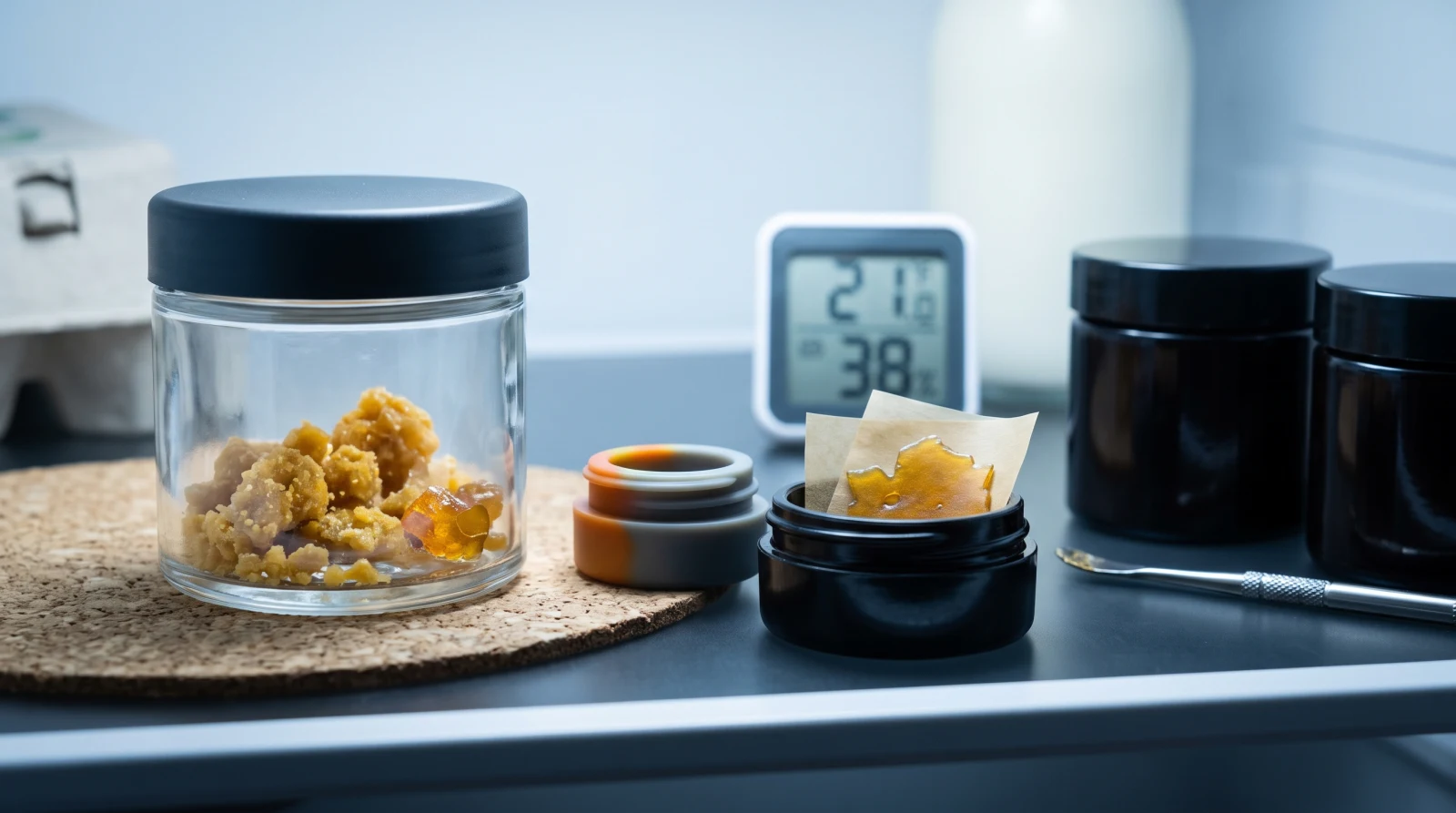
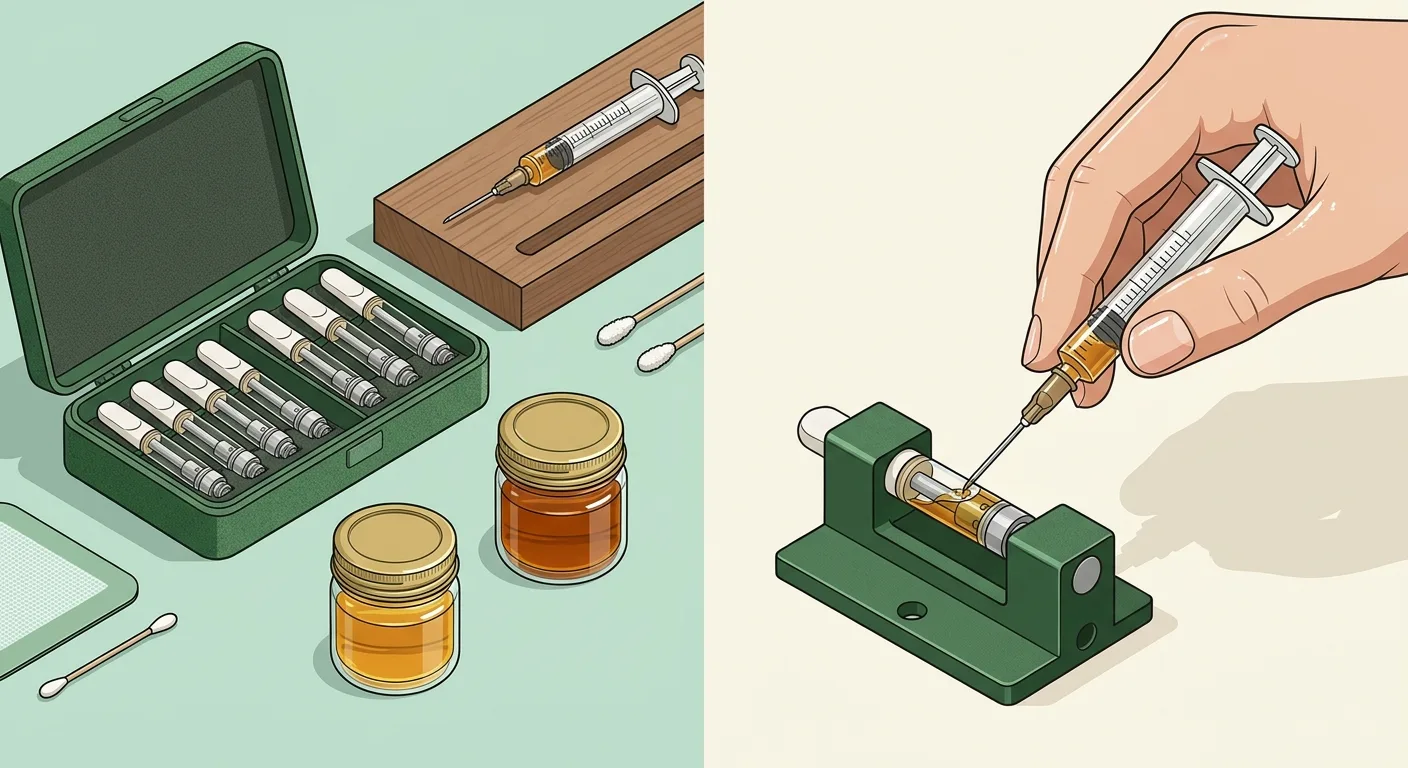
You've just bought a gram of premium distillate or live resin, and now you're staring at an empty 510 cartridge wondering how to get your concentrate into that tiny chamber without wasting half of it on your countertop. Or maybe you've purchased what you thought was quality cannabis oil, filled your cart, and now it's either leaking, tasting burnt, or refusing to wick properly. Before you blame the hardware or the oil, understanding how to fill a vape cartridge correctly can save you money, frustration, and a lot of sticky fingers.
Filling vape cartridges isn't rocket science, but it's also not as simple as squirting oil into a hole and calling it a day. The viscosity of your concentrate, the temperature during filling, the cartridge design, and even how you store it afterward all play critical roles in whether you'll enjoy smooth hits or deal with constant clogs and leaks. This guide walks through the entire process, from preparing your concentrate to troubleshooting the most common post-fill problems that make users think they've been sold inferior products when the real issue is technique.
Understanding Vape Cartridge Anatomy Before You Start
Before you can properly fill a vape cartridge, you need to understand what you're working with. Most cannabis vape cartridges follow a standard 510-thread design, named after the 10 threads at 5mm spacing that connect the cart to your battery. Inside that small glass or plastic chamber sits a ceramic or cotton wick that absorbs your cannabis oil and feeds it to a heating element wrapped around or embedded in the wick material.
The fill holes are typically located at the top of the cartridge, either as a single large opening accessed by unscrewing the mouthpiece or as two small side-fill ports protected by silicone plugs. Some newer cartridges use bottom-fill designs, but these are less common in the cannabis market. The key component you need to respect is the wick itself. This porous material must be saturated slowly and evenly, or you'll end up with dry spots that burn or oversaturation that causes leaking.
Cartridge Types and Fill Method Compatibility
Not all cartridges accept every fill method equally well. Glass CCELL cartridges with ceramic wicks handle thick distillate beautifully and can be filled at slightly lower temperatures than plastic carts with cotton wicks. Plastic cartridges are more prone to cracking if you introduce oil that's too hot, and they often use thinner wicks that require more careful filling to avoid leaks.
Top-fill cartridges with screw-off mouthpieces give you the most room to work with and are the most forgiving for beginners. Side-fill ports require steadier hands and a narrower syringe tip, but they're less likely to trap air bubbles during the fill process. If you're working with live resin or live rosin concentrates, you'll need cartridges specifically designed for higher-terpene, lower-viscosity oils, as standard distillate carts may leak when filled with these runnier materials.
Preparing Your Cannabis Concentrate for Filling
The single biggest mistake people make when filling vape cartridges is trying to work with concentrate straight from the jar at room temperature. Cannabis distillate, THC oil, and even some live resins are far too thick to flow properly into cartridge fill holes without warming. Think of it like trying to pour cold honey versus warm honey. The physics are identical.
The goal is to heat your concentrate just enough to reduce viscosity without degrading cannabinoids or boiling off terpenes. For most distillates and CO2 oils, this means reaching 140-170°F (60-77°C). You can achieve this through several methods, each with pros and cons worth understanding before you start.
The Warm Water Bath Method (Safest for Beginners)
Place your sealed concentrate container in a bowl or cup of hot water, not boiling water. Let it sit for 5-10 minutes, checking consistency every few minutes. This is the gentlest heating method and poses almost zero risk of overheating or uneven warming. The downside is it takes longer and won't work well for extremely thick distillates that need higher temperatures.
The Hair Dryer Method (Fast but Risky)
Apply heat from a hair dryer set to medium-low directly to the concentrate container while rotating it to ensure even warming. This works quickly but can create hot spots that degrade terpenes if you're not careful. Never use high heat settings, and keep the dryer moving constantly. This method works best for small amounts of concentrate in glass syringes where you can see the oil becoming more fluid.
Microwave Warning: Just Don't
While some online guides recommend microwaving concentrate for 3-5 seconds, this is terrible advice. Microwaves heat unevenly and can create superheated pockets that flash-boil terpenes or degrade THC. The few seconds you save aren't worth destroying your concentrate's quality or potency. Stick with the water bath or hair dryer methods.
The Step-by-Step Cartridge Filling Process
Once your concentrate is properly warmed and flowing like thick syrup, you're ready to fill. Work quickly but carefully, as your oil will start cooling and thickening again within a few minutes. Have everything laid out before you begin: warmed concentrate, syringe (preferably blunt-tip 1ml), cartridge with mouthpiece removed or fill ports opened, and paper towels for inevitable drips.
Draw your warmed concentrate into the syringe slowly and steadily. If you're pulling from a jar, insert the tip all the way to the bottom and draw upward to minimize air bubbles. Air in your syringe becomes air in your cartridge, which becomes wicking problems and harsh hits later. A 1ml cartridge should be filled to about 0.9ml to leave headspace for expansion.
Top-Fill Technique for Screw-Top Cartridges
Remove the mouthpiece completely and set it aside. Insert your syringe tip into the cartridge chamber, angling it toward the outer wall rather than straight down the centre. Depress the plunger slowly, letting the oil run down the inside wall of the chamber. This technique prevents oil from flooding the centre airflow tube, which is the number one cause of leaking and gurgling.
Fill the cartridge in stages: add a third of your target volume, pause for 30 seconds to let it settle and begin saturating the wick, then add the next third. This staged approach prevents oil from pooling on top of an unsaturated wick, which causes overflow into the airway. The wick needs time to absorb oil through its entire depth, not just the surface.
Side-Fill Port Technique
Remove both silicone plugs from the side ports. Insert your syringe into one port and fill slowly while watching the second port. When oil appears at the second port opening, you've achieved proper fill level. Some users prefer alternating between ports, adding small amounts to each side to promote even saturation, though this isn't strictly necessary with quality cartridges.
Replace the silicone plugs immediately after filling while the oil is still slightly warm. This creates a better seal than trying to force plugs into place after the oil has cooled and created vacuum pressure inside the chamber. Press the plugs in firmly but not so hard you crack the cartridge body.
Post-Fill Cartridge Priming and Break-In Period
This is where most DIY fillers go wrong. They fill the cartridge, screw it onto their battery, and immediately start vaping at high voltage. Then they wonder why it tastes burnt or produces thin vapour. Your freshly filled cartridge needs time to properly saturate the wick throughout its entire depth. Rushing this process causes permanent damage to the heating element and wick.
After filling, let your cartridge sit upright for at least 15-20 minutes, ideally 30 minutes to an hour. During this time, capillary action pulls oil through the entire wick structure, from the outer edges in contact with the chamber walls to the inner core surrounding the heating element. You can speed this slightly by taking a few dry pulls (inhaling without firing the battery) to create gentle suction that helps pull oil into the wick.
The First Heat Cycle Protocol
When you do take your first hit, start at the lowest voltage setting your battery offers, typically 2.2-2.4V. Take a 2-3 second pull, then wait 30 seconds before your next hit. This gentle introduction allows the wick to establish its saturation pattern without creating dry spots. After 4-5 low-voltage hits, you can gradually increase to your preferred voltage, but never jump straight to 3.7V+ on a fresh cartridge.
Some distillates and live resins benefit from a warm-up hit: pulse the fire button for 1 second, release, wait 2 seconds, then take your actual draw. This pre-heating slightly liquefies the oil before you pull air through, reducing the initial viscosity that can strain the wick. For those interested in the technical differences between vape types, understanding dab pens versus vape pens clarifies why cartridges need this gentler approach compared to direct concentrate vapourization.
Common Filling Problems and How to Fix Them
Even with perfect technique, things can go wrong. The good news is that most cartridge problems after filling are fixable if you catch them early. The key is accurate diagnosis, because the wrong fix for a leak can turn into a clog, and the wrong fix for a clog can crack your cartridge.
The Cartridge Is Leaking From the Bottom
Bottom leaking almost always means you've overfilled the cartridge or filled it too quickly, causing oil to flood past the wick into the airflow path. Remove the cartridge from the battery and clean the 510 connection thoroughly with isopropyl alcohol on a cotton swab. Turn the cartridge upside down and take several hard dry pulls to draw excess oil back up into the chamber.
If leaking continues, you've likely damaged the seal between the wick assembly and the cartridge body. This is often irreversible, but you can salvage the oil by carefully unscrewing the base (if possible) and transferring the oil to a new cartridge using the water bath warming method. This is frustrating but happens less often with quality cartridges and proper fill technique.
No Vapour Production or Very Weak Hits
Weak vapour suggests either insufficient wick saturation or a voltage mismatch. First, verify your battery is fully charged and making good contact with the cartridge threading. Try increasing voltage by 0.2V increments, testing between each adjustment. If this doesn't help, your wick may not be fully saturated despite letting it sit.
Apply gentle heat to the filled cartridge using the hair dryer method for 10-15 seconds, which thins the oil and helps it penetrate deeper into the wick. Let it sit another 20 minutes after warming, then try again at slightly higher voltage. Some ultra-thick distillates need this secondary saturation step, especially in colder climates where room temperature oils remain too viscous.
Burnt Taste Even on Fresh Cartridge
A burnt taste right after filling indicates you've fired the cartridge before the wick was fully saturated, creating permanent scorched spots on the ceramic or cotton. Unfortunately, once a wick is burnt, that taste won't go away. You can try lowering your voltage significantly (down to 2.0V if your battery allows) to vape around the burnt spots, but quality will be compromised.
Prevention is key here, which is why the 30-minute saturation period isn't optional. If you must vape sooner, take only the gentlest pulls at absolute minimum voltage. The impatience that causes burnt wicks costs more in wasted oil and replacement cartridges than the time saved is worth. For related troubleshooting, check our guide on vape pen troubleshooting when your device won't hit.
Storage and Maintenance After Filling
How you store your filled cartridge determines how long it maintains quality and function. Cannabis oil degrades from heat, light, and air exposure, while cartridge hardware can fail from temperature extremes and pressure changes. Proper storage extends cartridge life from weeks to months.
Always store cartridges upright in a cool, dark place. Laying them on their side can cause oil to shift and flood the airway, especially if they're exposed to warmth. A drawer or cabinet away from windows works perfectly. Avoid car storage, as temperature fluctuations from hot dashboards to cold nights cause oil expansion and contraction that stresses cartridge seals and can create leaks.
Preventing Clogs During Storage
Cartridge clogs during storage happen when oil cools in the narrow pathways between the chamber and the heating element. If you live in a cold climate or notice your cartridge isn't hitting after sitting overnight, warm it gently with your hands or a hair dryer on low for 15-20 seconds before attempting to use it. Never force air through a clogged cartridge by blowing into it, which can push oil into areas it shouldn't be and create worse problems.
For long-term storage beyond two weeks, consider the refrigerator if you're storing just the oil, but keep filled cartridges at room temperature. Refrigeration can cause condensation issues when you bring the cartridge back to room temperature, and the extreme viscosity change can crack some cartridge materials. If you must refrigerate a filled cart, let it come to room temperature gradually over 30-60 minutes before use.
Choosing Quality Concentrates for Cartridge Filling
The oil you choose determines 80% of your filling success. Not all cannabis concentrates are suitable for cartridge use, and attempting to vape the wrong consistency creates nothing but frustration. Understanding what makes concentrate "cart-appropriate" helps you select products that will actually work in the cartridges you're filling.
Look for concentrates specifically labelled as distillate, CO2 oil, or cart-ready oil. These have been processed to the right viscosity range: thick enough to not leak at room temperature, but thin enough to flow through wick pores when warmed. Raw sauce, THCA diamonds, and some extremely terpy live resins are too runny and will leak from most standard cartridges. Conversely, some shatter and wax are too thick even when warmed and won't wick properly.
Terpene content matters significantly. Cannabis oil with 8-15% terpenes generally works best in cartridges. Below 5% and the oil may be too thick and tasteless. Above 20% and you're getting into leak territory unless you're using cartridges specifically designed for high-terpene oils. If you're comparing concentrate types for cartridge filling, understanding the differences between various concentrate textures like shatter, wax, and live resin helps you make better purchasing decisions.
Testing Small Batches First
If you're working with a new concentrate or cartridge brand, fill just one cart initially rather than your entire supply. Test it over 2-3 days, monitoring for leaks, clogs, taste quality, and vapour production. Only after confirming compatibility should you commit to filling multiple cartridges. This testing approach saves money and prevents the disappointment of having five filled carts that all leak or taste terrible.
Document what works. Keep notes on which concentrate brands pair well with which cartridge types, optimal warming times, and voltage settings that produce the best results. Your personal reference guide becomes invaluable as you refine your filling process and can dramatically reduce trial-and-error waste.
Premium Cannabis Concentrates Ready for Cartridge Filling
Skip the guesswork with concentrates formulated specifically for vape cartridges. Our selection includes distillates and oils tested for ideal viscosity and terpene profiles.
Shop ConcentratesAdvanced Troubleshooting: When Standard Fixes Don't Work
Sometimes you've followed every step correctly, used quality materials, and still end up with a problematic cartridge. These edge cases require more diagnostic thinking and sometimes unconventional solutions that won't appear in basic tutorials but have saved countless carts from the trash.
The Cartridge Works but Tastes Metallic
Metallic taste usually indicates the heating element is making direct contact with oil that hasn't been absorbed into the wick, essentially dry-burning the concentrate against metal coils. This happens with overly viscous oils that create a surface film on the wick but don't penetrate to the core. Try the double-saturation method: warm the cartridge thoroughly, let it sit upright for an hour, warm again, then wait another hour before use.
If metallic taste persists, your oil may be incompatible with the cartridge's wick material. Certain botanical terpene blends don't play well with cotton wicks and need ceramic. This is rare but happens, and the only fix is transferring to a different cartridge type. Don't waste a full cartridge of oil on a taste issue, it won't improve with continued use.
Oil Changed Colour After Filling
Colour change from clear or light amber to dark brown or even black indicates oxidation, usually from introducing too much air during the fill process or exposing the oil to excessive heat. Some darkening is normal over weeks of use, but immediate dramatic darkening means something went wrong. The oil is likely still safe to use but will have degraded potency and altered terpene profiles.
Check your heating method, you may have gotten the concentrate hotter than you realized. Also examine your syringe technique; drawing oil too quickly creates turbulence and incorporates air bubbles that accelerate oxidation. For future fills, work more slowly and keep concentrate exposure to heat as brief as possible.
Cartridge Cracked During or After Filling
Cracks form from thermal shock (hot oil into cold cartridge or vice versa), over-tightening when screwing components together, or physical stress from forcing plugs or mouthpieces. Small hairline cracks may not leak immediately but will eventually fail. Don't try to save a cracked cartridge by wrapping it in tape; this is a safety issue as heated oil can leak onto the battery connection.
Salvage the oil immediately before it leaks out completely. Let the cartridge cool to room temperature, carefully unscrew it from the battery, and warm both the cartridge and a fresh empty cart in warm water. You can sometimes gently squeeze oil from a cracked cart into a syringe if the crack is small, or transfer it to a small silicone container before warming and refilling into a new cartridge.
Making Cartridge Filling Cost-Effective
The economics of filling your own cartridges versus buying pre-filled options matter, especially for regular users. Understanding the real costs helps you decide whether DIY filling makes sense for your consumption patterns and budget.
Empty quality cartridges cost $1-3 each when bought in bulk packs of 10 or more. Blunt-tip syringes run about $0.50 each. A gram of distillate averages $20-40 depending on quality and potency, and fills about 1ml worth of cartridges (accounting for some loss during transfer). Compare this to pre-filled cartridges at $35-60 per gram. On the surface, you're saving $10-20 per gram by filling yourself.
However, factor in learning curve waste. Beginners typically ruin 2-3 cartridges while learning proper technique, either through overfilling, cracking, burning wicks, or other mistakes. That's $3-9 in cartridge costs plus the wasted oil. You also need to value your time; the filling process takes 15-20 minutes per cartridge including prep and cleanup, plus saturation time. For occasional users filling one cartridge monthly, pre-filled options might actually be more cost-effective when time is valued.
The break-even point comes around 4-5 cartridges per month. At that consumption level, you've absorbed the initial learning costs and the per-unit time investment becomes worthwhile compared to the premium charged for pre-filled carts. Heavy users filling 10+ cartridges monthly see dramatic savings that easily justify the effort. When considering overall value in cannabis purchases, the principles outlined in our guide on buying weed online effectively apply equally to concentrate purchases for cartridge filling.
Frequently Asked Questions About Filling Vape Cartridges
Technically yes, but it's not recommended. Pre-filled cartridges are designed for single use and their wicks degrade significantly after the first fill is consumed. The heating element may also be partially burnt out. You'll get poor performance and taste compared to using a fresh empty cartridge. If you must reuse, only do so once with the same type of oil it originally contained.
Properly stored cartridges maintain quality for 3-6 months. After that, terpenes degrade noticeably and THC begins converting to CBN, which produces more sedative effects. Distillates last longer than live resins due to lower terpene content. Store upright in a cool, dark place and you'll get maximum shelf life. Refrigeration extends this to 9-12 months but requires careful temperature transition before use to avoid condensation issues.
For most distillates and CO2 oils, aim for 140-170°F (60-77°C). Live resin and terp-heavy concentrates need lower temperatures, around 110-130°F (43-54°C), to preserve volatile terpenes. The oil should flow like warm honey when properly heated. If it pours like water, you've gone too hot and may have degraded cannabinoids. Use the warm water bath method for most consistent, gentle heating without hot spots.
Temperature affects oil viscosity dramatically. When cold, the oil contracts and thins slightly, which can allow it to seep past seals that hold at room temperature. Additionally, bringing a cold cartridge into a warm environment causes rapid expansion that can push oil into the airway. If you live in a cold climate, let cartridges warm to room temperature gradually before use, and never leave them in your car overnight.
You can, but only if they have similar viscosities and are both cart-appropriate oils. Mixing distillate with distillate works fine and is a common way to create custom cannabinoid ratios. Mixing distillate with live resin is trickier because the viscosity difference can cause separation.