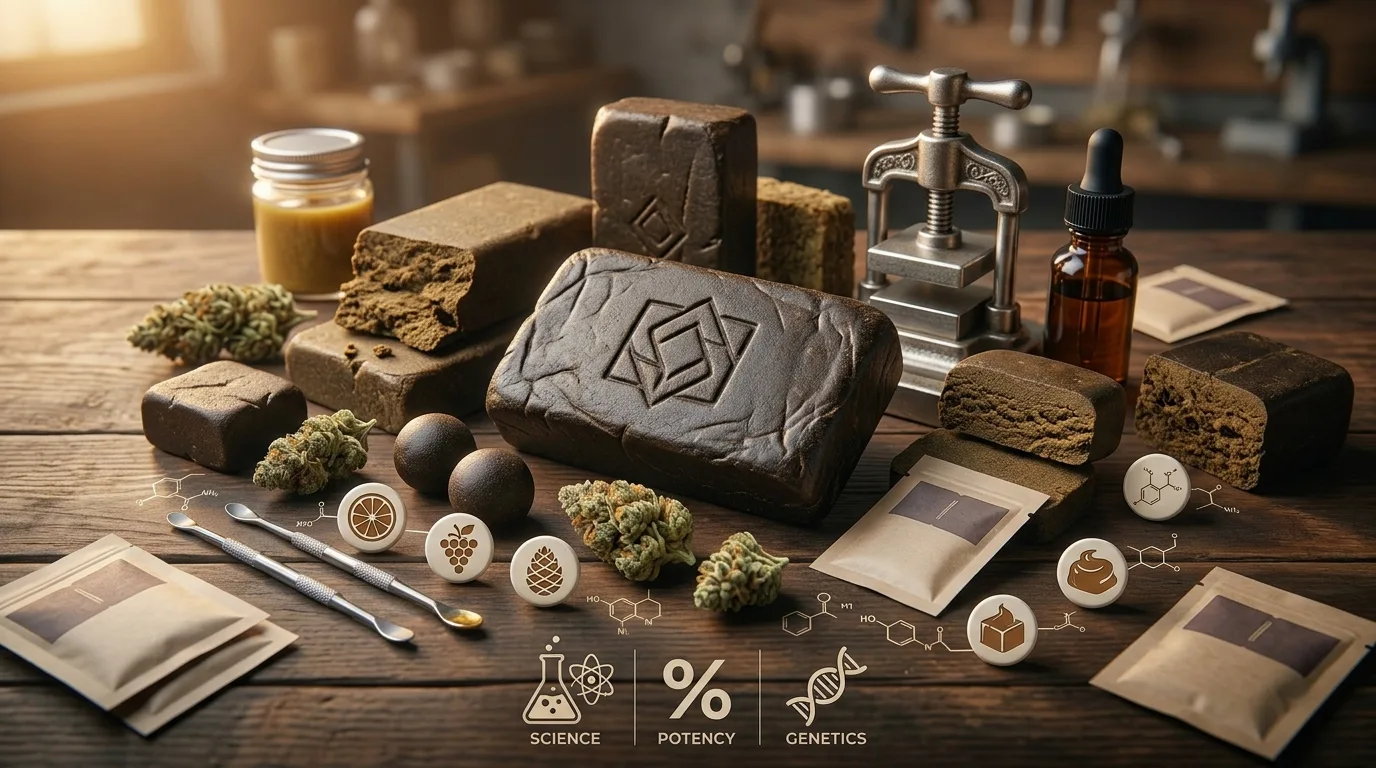
Cali Bricks are cannabis flowers that have been mechanically compressed into dense, flat blocks after curing. The name references California's legacy cannabis market, where this format became popular as a way to move large quantities efficiently. Unlike traditional hand-trimmed nuggets that maintain their natural bud structure, Cali Bricks go through a hydraulic or pneumatic press that flattens the material into uniform slabs, typically sold in ounce or multi-ounce increments.
The pressing happens after the flower has been dried and cured, not before. This timing matters because it means the trichomes have already developed fully, the cannabinoids have decarboxylated naturally through proper curing, and the terpene profile has stabilized. The press doesn't alter the chemical composition; it simply changes the physical shape. Think of it like pressing a sponge: the material compresses, but the substance itself remains unchanged.
What you're getting is genuine cannabis flower that's been mechanically processed for density, not a lower grade or shake material. Reputable producers use the same starting material for Cali Bricks as they would for traditionally packaged flower. The difference lies entirely in the post-cure handling, not the genetics, growing conditions, or harvest quality.
How the Pressing Process Actually Works
The mechanical pressing process is straightforward. After cannabis flowers complete their drying and curing cycle, they're loaded into a hydraulic press designed specifically for botanical materials. The press applies controlled, even pressure across the entire batch, typically using flat plates that compress the material from both sides simultaneously. This creates a uniform density throughout the brick, rather than crushing some areas more than others.
The pressure settings vary by producer, but most aim for enough compression to significantly reduce volume without pulverizing trichome heads or rupturing cell walls. Modern presses can be calibrated precisely, allowing operators to achieve consistent density across multiple batches. The entire pressing cycle usually takes just a few minutes per batch, making it an efficient production method for large-scale operations.
Temperature control during pressing is minimal or absent. Unlike rosin pressing, where heat activates cannabinoids and releases oils, Cali Brick pressing is a cold mechanical process. The flower goes in at room temperature and comes out the same way, just significantly flatter. This preservation of ambient temperature helps maintain terpene integrity, since many aromatic compounds are volatile and would evaporate under heat exposure.
The Real Trade-Offs: What You Gain and What You Give Up
Let's address the elephant in the room: Cali Bricks cost less per gram than traditionally packaged flower, sometimes 20-40% less for the same genetic strain. This price difference isn't because you're getting inferior cannabis. It's because the pressing process allows producers and distributors to save on multiple operational costs that they pass along to consumers who don't mind the compressed format.
First, compressed flower takes up dramatically less space during storage and transportation. A brick that weighs an ounce might occupy half the volume of the same weight in unpressed nuggets. This density translates directly to lower shipping costs, reduced warehouse space requirements, and the ability to move larger quantities in each delivery run. For mail-order operations serving customers across multiple Canadian provinces, these logistics savings add up quickly.
Second, the pressing process itself requires less labour than hand-trimming and carefully packaging individual nuggets to preserve their bag appeal. Traditional flower needs gentle handling to avoid breaking off trichome-rich sugar leaves or crushing delicate bud structures. Cali Bricks, by definition, are already compressed, so they can be packaged more efficiently without the same concerns about cosmetic damage during handling.
Appearance vs. Substance: Understanding the Visual Difference
The most obvious trade-off with Cali Bricks is aesthetic. You're not getting photogenic, Instagram-worthy nuggets with visible trichome coverage and intact bud structure. Instead, you're receiving dense slabs that look like they've been run over by a very small steamroller. The trichomes are still there, just pressed flat against the surface and embedded in the compressed plant material.
For some consumers, this matters. Bag appeal is part of the ritual, and there's genuine satisfaction in cracking open a jar to find pristine, frosty buds. If that visual experience is important to your enjoyment, traditional flower might be worth the price premium. But if you're more concerned with what ends up in your grinder and eventually in your lungs, the flattened appearance becomes irrelevant.
The pressed format also means you'll need to break apart the brick before use. It won't separate into individual nuggets the way traditionally packaged flower does. Instead, you'll peel or cut portions from the slab, which some users find less convenient than simply grabbing a nug. However, many consumers who buy in bulk consider this a minor inconvenience compared to the cost savings on larger quantities.
Does Pressing Affect Potency or Terpene Preservation?
This is the critical question, and the answer is reassuring for budget-conscious consumers: mechanical pressing at room temperature does not meaningfully reduce cannabinoid content or eliminate terpenes. The chemical compounds that create cannabis effects exist primarily in the trichome glands that coat the flower's surface, and while pressing flattens these structures, it doesn't destroy them or cause the contents to evaporate.
Independent lab testing has confirmed that properly pressed Cali Bricks maintain THC and CBD percentages consistent with the unpressed flower from the same batch. If the starting material tests at 24% THC before pressing, the pressed brick will test at essentially the same level afterward. The cannabinoids are stable molecules that aren't affected by mechanical pressure alone, especially when no heat is applied during the process.
Terpene retention is slightly more nuanced. Some of the most volatile aromatic compounds can theoretically be released when trichome heads are crushed, but this loss is minimal when pressing is done correctly with calibrated equipment. The same volatility issue affects traditionally packaged flower during grinding, so you're not introducing a new degradation pathway that wouldn't exist anyway. The terpenes that survive the drying and curing process remain largely intact through pressing, though the compressed format may make them slightly less noticeable until you break the material apart.
What pressing does affect is the initial aroma presentation. A freshly opened bag of traditional nuggets releases a burst of terpenes that have been trapped in the jar's headspace. A Cali Brick, being denser and having less surface area exposed to air, doesn't produce the same immediate scent profile until you break it apart. Once you do, the aroma becomes apparent as the internal surfaces are exposed and the compressed material expands slightly.
Moisture Content and Storage Considerations
The compressed format actually offers some advantages for long-term storage. The reduced surface area means less of the material is directly exposed to air, which can help slow oxidation and moisture loss over time. A properly stored Cali Brick in an airtight container can maintain its quality for months without drying out as quickly as traditional flower might in similar conditions.
However, the pressing process can mask moisture issues that would be obvious in unpressed flower. If material is pressed while too wet, the compression can trap moisture inside the brick, creating potential conditions for mold development. Reputable producers dry their flower properly before pressing, but this is one area where buying from established sources matters more than with traditional packaging. For detailed guidance on keeping any cannabis format fresh, our comprehensive guide on proper cannabis storage covers the essential principles.
Spotting Quality Cali Bricks: What to Look For
Not all Cali Bricks are created equal, and knowing how to assess quality before purchasing can help you avoid disappointing experiences. While you can't evaluate bag appeal the same way you would with traditional nuggets, several indicators reveal whether you're getting properly pressed premium flower or compressed trim material being marketed as something better.
First, examine the brick's surface texture. Quality pressed flower shows visible trichome coverage even in its compressed state. You should see a coating of resinous material that catches light, indicating the starting material had good cannabinoid production. If the surface looks uniformly brown or green without any crystalline appearance, you might be looking at lower-grade material that was pressed to hide its mediocrity rather than to improve packaging efficiency.
Second, check for uniformity. A well-pressed brick has consistent density throughout, without excessively hard spots or crumbly sections. When you apply gentle pressure, it should feel solid but not rock-hard, and it should break apart with reasonable effort rather than shattering into dust or requiring significant force to separate. Extremely hard bricks might indicate over-pressing, while ones that fall apart too easily might not have been pressed properly or could be too dry.
Third, pay attention to aroma once you break a piece apart. The internal surfaces should release noticeable terpenes that match the strain's expected profile. If you're examining an indica-dominant brick, you should smell earthy, kushy, or sweet notes depending on the genetics. A lack of any distinct aroma might indicate old material, improper curing before pressing, or starting material that was already degraded. The compression should concentrate these scents, not eliminate them entirely.
Strain Selection and Producer Transparency
Reputable dispensaries offering Cali Bricks provide clear information about the source genetics, growing conditions, and pressing date. This transparency matters because it allows you to make informed comparisons between pressed and unpressed versions of the same strain. If a vendor lists "Mystery Brick" without strain details, approach with caution. You deserve to know what you're consuming, regardless of format.
Look for producers who treat their pressed flower with the same quality standards as their premium offerings. Some craft growers offer pressed versions of their popular strains specifically as a value option for bulk buyers, using the same plants they'd sell unpressed. These products represent genuine value, whereas pressed flower from unknown sources might be surplus material from less selective harvests. Understanding cannabis grading standards helps you evaluate whether a pressed option truly delivers quality at a lower price point.
Practical Considerations: Consumption Methods and Preparation
Using Cali Bricks requires slightly different preparation than traditional nuggets, but the learning curve is minimal. The main adjustment involves breaking apart the compressed material before loading it into your consumption method of choice. Most users develop a preference for either peeling layers from the brick's surface or cutting chunks with scissors, then further processing those portions as needed.
For smoking in joints or pipes, break off a section of the brick and load it into your grinder as you would with any flower. The compressed material often grinds more consistently than traditional nuggets because it's already been mechanically processed into a denser format. You'll typically get a fine, even consistency that burns well and doesn't leave large stem pieces that create uneven combustion.
Vapourizer users should note that very dense material might need extra grinding to achieve the fluffy consistency that dry herb vapes prefer. Some high-compression bricks can produce material that packs too tightly in vapourizer chambers, restricting airflow and creating uneven heating. Breaking the material apart by hand before grinding, or using a coarser grind setting, usually solves this issue. The actual vapourization experience remains identical once you've achieved proper consistency.
For those who prefer infusions or making edibles, Cali Bricks work perfectly. The compressed format doesn't affect decarboxylation or cannabinoid extraction when you're applying heat during the cooking process. In fact, the dense format makes it easier to weigh precise amounts for recipes, since you can cut measured portions directly from the brick without dealing with varied nug sizes.
The Economics of Buying Pressed: When It Makes Sense
Cali Bricks deliver the most value when you're purchasing larger quantities for regular consumption. The per-gram savings become significant at ounce or multi-ounce levels, where you might save $50-100 compared to traditionally packaged flower of comparable quality. For daily consumers who go through an ounce or more monthly, these savings add up to hundreds of dollars annually without sacrificing the actual cannabis experience.
The format makes less sense if you're buying small amounts or prioritizing variety over volume. If you like switching between different strains frequently and only consume occasionally, paying slightly more for traditional packaging might be worthwhile for the improved presentation and easier portioning. Similarly, if you're buying cannabis for special occasions where the unboxing experience matters, the visual impact of premium nuggets might justify the cost difference.
Consider Cali Bricks as your daily driver strain while keeping a small stash of traditionally packaged exotic or craft genetics for occasions when you want something special. This hybrid approach lets you enjoy cost savings on regular consumption while still having access to premium presentations when they enhance your experience. The mail-order process makes it easy to stock up on pressed bulk options while adding smaller amounts of premium selections to the same order.
Common Myths and Misconceptions About Pressed Flower
The compressed cannabis format has accumulated its share of misinformation, partly because it's relatively new to legal Canadian markets and partly because some low-quality producers have given pressed flower a bad reputation. Let's address the most persistent myths that might be preventing you from trying a legitimate value option.
Myth: Cali Bricks are made from trim, shake, or low-quality material. While some unscrupulous producers might press inferior starting material, reputable operations use the same flower they'd sell unpressed. The pressing process is a packaging choice, not a quality designation. Quality Cali Bricks come from properly grown, harvested, and cured cannabis plants that meet the same standards as traditionally packaged flower. The format doesn't determine quality; the source genetics and cultivation practices do.
Myth: Pressing destroys trichomes and reduces potency. As discussed earlier, mechanical compression at room temperature doesn't significantly affect cannabinoid content. The trichomes are flattened but not destroyed, and the compounds inside remain chemically stable. Lab testing confirms that properly pressed flower maintains potency levels consistent with unpressed material from the same batch. What changes is appearance, not chemical composition.
Myth: Compressed flower is harder to smoke or produces harsher hits. The smoking experience depends primarily on how the flower was grown, dried, and cured, not whether it was pressed afterward. A Cali Brick from well-flushed plants that were properly dried will smoke smoothly, while unpressed flower from poorly cultivated plants will be harsh regardless of its photogenic appearance. The format affects preparation convenience, not combustion quality or vapour smoothness.
Myth: Cali Bricks are a recent gimmick with no track record. Pressed cannabis has been sold in various markets for decades, particularly in regions where efficient transportation mattered more than bag appeal. The California legacy market refined the process and branding, but the fundamental concept of mechanically compressing dried flower for density isn't new. Canadian legal producers have simply adopted a proven format that makes economic sense for certain product lines.
When Pressed Flower Might Not Be Right for You
Despite the legitimate value proposition, Cali Bricks aren't the ideal choice for every consumer or situation. If you're new to cannabis and still learning about strain characteristics, starting with traditionally packaged flower might help you better understand visual quality indicators like trichome density, bud structure, and proper cure. These learning experiences become harder when everything arrives pre-compressed.
Medical patients who need precise, consistent dosing might prefer traditional formats where they can more easily assess individual dose sizes by bud appearance. While Cali Bricks maintain potency, the compressed format makes visual estimation of amounts more challenging until you develop familiarity with how much material to separate for your typical dose.
Gift-giving situations typically call for premium presentation rather than value packaging. If you're introducing someone to quality cannabis or marking a special occasion, the unboxing experience of craft flower in glass jars usually creates better impressions than pulling chunks from a compressed brick, even if the actual cannabis quality is equivalent.
Frequently Asked Questions About Cali Bricks
The name references California's legacy cannabis market where this pressing format became popular, but Cali Bricks sold in Canada are typically domestically produced. The term has become generic branding for mechanically pressed cannabis flower regardless of geographic origin, similar to how 'kush' refers to a terpene profile rather than litreal Hindu Kush genetics.
When stored properly in airtight containers away from light and heat, Cali Bricks can maintain quality for several months, often longer than unpressed flower because the compressed format reduces surface area exposed to air. The key is ensuring the starting material was properly dried and cured before pressing, and that you're storing it with appropriate humidity control.
Visual assessment is harder with compressed flower, which is why buying from reputable sources with transparent testing and genetics information matters more than with traditional packaging. Look for visible trichome coverage on the surface, consistent density throughout, and strong aroma when broken apart. Lab testing results showing cannabinoid and terpene profiles provide more reliable quality indicators than appearance alone.
No specialized tools are required. Most users simply pull chunks apart by hand or use regular scissors to cut portions from the brick. The material then goes into a standard grinder like any other flower. Some people prefer keeping dedicated scissors for cannabis to avoid contaminating kitchen tools, but the actual separation process needs nothing beyond basic household items.
Price variations reflect differences in starting material quality, growing methods, strain genetics, and producer reputation, just like traditional flower. The cheapest options might use outdoor-grown material or surplus from less selective harvests, while mid-range bricks could be indoor-grown craft genetics offered in pressed format as a value option. Always consider the source and available testing data rather than assuming all pressed flower is equivalent.
Unfortunately, yes, which is why buying from established dispensaries with quality control standards is crucial. Pressing can make surface inspection of individual buds impossible, potentially concealing issues that would be obvious in unpressed format. Reputable producers test their flower before and after pressing, but budget options from unknown sources carry higher risk. Trust matters more with compressed formats than traditional packaging.
Making the Value Decision: Is Pressed Flower Right for Your Needs?
Cali Bricks represent a straightforward value proposition: get the same cannabis genetics and chemical profile as traditionally packaged flower, but in a compressed format that costs 20-40% less per gram. You're trading visual bag appeal and separation convenience for significant cost savings on bulk purchases. For regular consumers who prioritize effects over aesthetics and buy in ounce or multi-ounce quantities, this trade-off makes perfect economic sense.
The key to satisfaction with pressed flower is managing expectations and buying from sources that treat compressed products with the same quality standards as their premium offerings. When you know what you're getting, understand how the pressing process works, and can verify the starting material's quality through testing data and producer reputation, Cali Bricks deliver genuine value without the compromises that many consumers initially fear.
For those interested in exploring quality pressed options, strains like indica and hybrid varieties often translate well to brick format since their dense bud structure withstands compression effectively. Whether you're stocking up for personal use, splitting bulk orders with friends, or simply looking to stretch your cannabis budget further without sacrificing the experience, properly produced Cali Bricks deserve consideration as part of your rotation.
Experience Quality Pressed Flower
Explore our selection of lab-tested Cali Bricks from trusted Canadian producers, with same-day delivery across Ottawa and mail-order shipping nationwide.
Browse Cali BricksThe compressed format isn't replacing traditional flower, but it's carving out a permanent place in the Canadian cannabis market as consumers recognize that smart packaging choices can deliver real savings without compromising what matters most: the actual cannabis experience.