
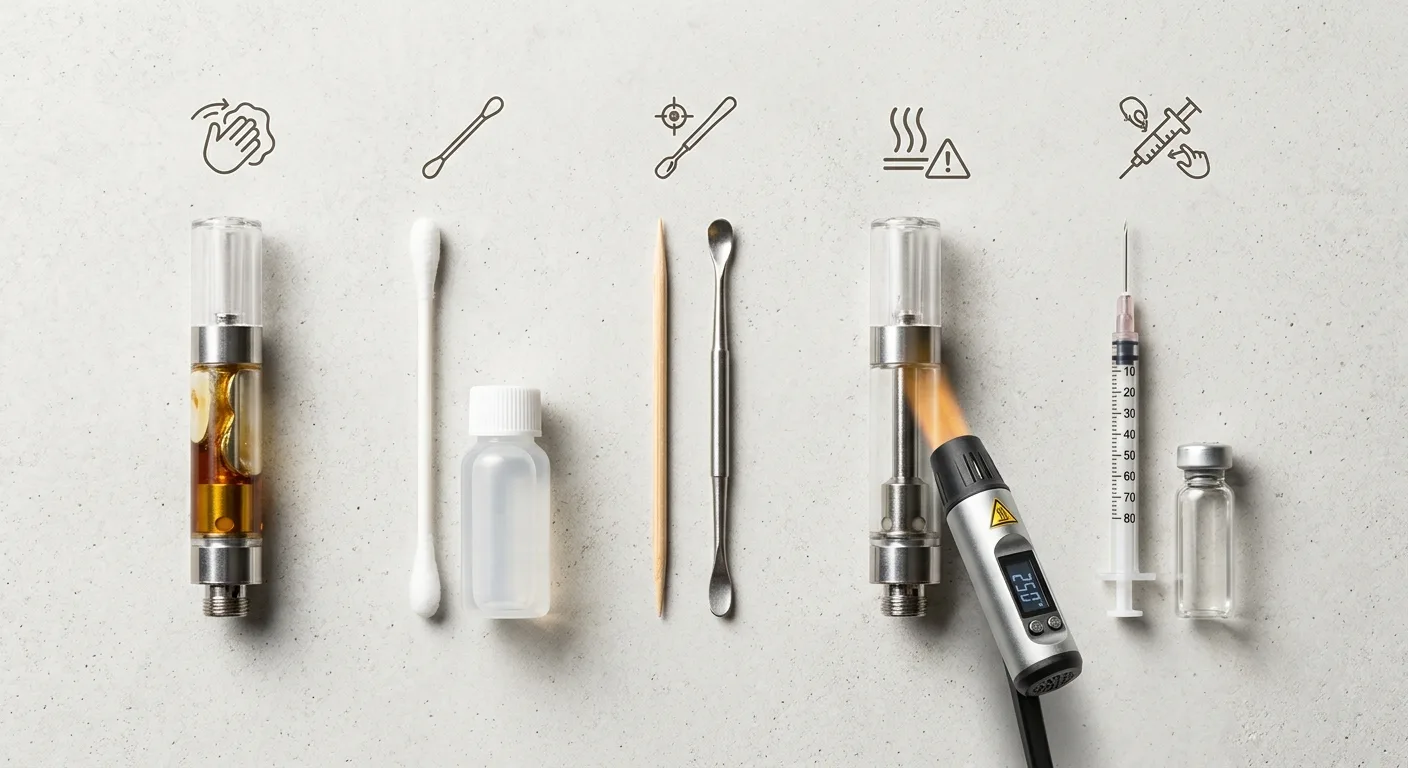
You take a pull, and nothing. You try again, harder this time, and still barely any vapour. Your vape cart is clogged, and the frustration is immediate. Before you toss that cartridge in the trash or resign yourself to buying a replacement, understand this: most clogs can be fixed in under two minutes with tools you already have at home.
This guide walks you through four proven fixes, ranked from safest to most aggressive. We'll also explain why vape cartridges clog in the first place, so you can prevent it from happening again. Whether you're using a 510-thread cart from BC's cannabis market or a proprietary device, these methods apply universally.
Why Vape Carts Clog: The Three Root Causes
Before you fix the problem, it helps to understand what's causing it. Vape cartridges clog for three primary reasons, and all of them relate to how cannabis oil behaves under different conditions.
Temperature Fluctuations Thicken the Oil
Cannabis oil is viscous. When exposed to cold temperatures (like leaving your vape in a car during a Canadian winter), the oil becomes thicker and can solidify around the airway. This is especially common with distillate-based cartridges, which have a higher viscosity than live resin or CO2 extracts. Room temperature storage prevents most temperature-related clogs.
Excess Oil Floods the Airway
Overfilling the chamber or taking very light, ineffective draws can cause oil to accumulate in the central airway instead of vapourizing. This creates a sticky blockage that restricts airflow. The problem compounds when users continue trying to pull harder, which can draw even more unvaporized oil into the channel.
Improper Storage Positions Cause Leakage
Storing your cart horizontally or upside down allows oil to migrate toward the mouthpiece through gravity. Over time, this oil pools in places it shouldn't be, creating blockages. Always store cartridges upright with the mouthpiece facing up to keep oil in the reservoir where it belongs.
Fix #1: The Room-Temperature Warm-Up (Safest Method)
This is the gentlest approach and should always be your first attempt. It works by returning the oil to its optimal viscosity without applying heat that could degrade cannabinoids or terpenes.
Step-by-Step Process
Remove the cartridge from your battery and hold it upright between your palms for 60 to 90 seconds. Your body heat (around 37°C) is enough to slightly warm the oil and make it more fluid. You can also place the cart in a warm (not hot) room for five to ten minutes. Avoid windowsills in direct sunlight, which can cause uneven heating.
Once the oil appears slightly more liquid, reattach the cart to your battery and take a slow, steady draw. Don't pull too hard. A gentle, three-second inhale is ideal. This method works for about 60% of clogs, particularly those caused by cold exposure.
When This Method Works Best
Use the room-temperature warm-up if your cart was recently exposed to cold, if you haven't used it in several days, or if the clog is mild (you're getting some vapour, just not much). This fix preserves terpene profiles and avoids any risk of overheating the oil.
Fix #2: The Hair Dryer Heat Treatment (Low-Risk Method)
When body heat isn't enough, controlled external heat is the next escalation. This method applies more warmth than your hands but remains far safer than open flames or lighters.
The Correct Hair Dryer Technique
Set your hair dryer to its lowest heat setting and hold the cartridge about 15 centimetres from the nozzle. Rotate the cart slowly for 15 to 20 seconds, ensuring even heat distribution. You're aiming to warm the glass or metal housing, not blast the oil directly. The oil should become noticeably more fluid within 20 seconds.
After heating, let the cart cool for 10 seconds, then attempt a draw. If airflow has improved but isn't fully clear, repeat the process once more. Do not exceed two cycles with a hair dryer in a single session; excessive heating can degrade THC into CBN, reducing potency and altering effects.
Safety Considerations
Never use a hair dryer set to "high" or "turbo" heat. Temperatures above 180°C can cause the oil to bubble, expand, and potentially crack the glass cartridge. Always hold the cart by the metal base or mouthpiece to avoid burning your fingers. If you're using one of the cartridge-style vapes we've compared, ensure the battery is detached before applying any heat.
Fix #3: The Pre-Heat Function or Manual Pre-Warm (Moderate Risk)
Many modern vape batteries include a pre-heat or warm-up function, usually activated by clicking the power button twice. This built-in feature is designed specifically to address clogs by gently heating the coil without producing vapour.
Using Pre-Heat Mode Correctly
Activate your battery's pre-heat function and let it run for the full cycle (typically 10 to 15 seconds). The coil will warm the surrounding oil, making it less viscous. After the cycle completes, wait five seconds, then take a slow draw. This method is particularly effective for cartridges using ceramic coils, which heat more evenly than standard cotton wicks.
If your battery lacks a pre-heat function, you can manually simulate it by holding the power button for two to three seconds without inhaling. Repeat this three times with five-second pauses between each pulse. This warms the oil without burning it. You'll know it's working when you see thin wisps of vapour escaping from the mouthpiece.
When to Avoid This Method
Skip the pre-heat approach if your battery runs unusually hot, if the cartridge is more than 75% empty (risk of burning the coil), or if you've already tried this method twice without success. Repeated pre-heating without clearing the clog can caramelize the oil, making the blockage worse and potentially ruining the cart permanently.
Fix #4: The Paperclip Airway Clear (Highest Risk, Last Resort)
This is the most aggressive fix and should only be attempted when all other methods have failed. It involves physically clearing the airway with a thin, rigid object. Done correctly, it works. Done carelessly, it can destroy your cartridge.
The Proper Paperclip Technique
Straighten a standard paperclip or use a wooden toothpick (softer and less likely to scratch). Insert it gently into the mouthpiece, advancing slowly until you feel resistance. This resistance is the clog. Apply very light pressure and rotate the tool gently to break up the blockage. Do not force it deeper or jab aggressively.
Once you feel the obstruction give way, remove the tool and blow gently through the mouthpiece from the opposite end (if your cart design allows access). This expels loosened debris. Wipe the mouthpiece with a paper towel, then test airflow by drawing without the battery attached. You should feel clear, unrestricted air movement.
What Can Go Wrong
Inserting any object into a vape cartridge carries risks. You can puncture the silicone gasket that seals the mouthpiece, causing leaks. You can scratch the interior walls, creating rough surfaces where future clogs will form more easily. Worst case, you can push the blockage deeper into the atomizer chamber, making it completely unrecoverable.
Only use this method if the cart has significant value remaining (more than half full) and if gentler approaches have failed. If you're dealing with a budget cart that's nearly empty, it's often smarter to replace it. Switching to concentrates might also be worth exploring if you find yourself fighting clogs constantly.
Prevention: How to Stop Clogs Before They Start
Fixing clogs is useful, but preventing them is better. A few simple habits can extend the life of your cartridges and keep airflow clear from first use to last drop.
Storage Best Practices
Always store cartridges upright in a cool, dark place. A drawer or cupboard away from windows works perfectly. Avoid extreme temperatures; ideally, keep them between 15°C and 25°C. If you live in a cold climate, never leave carts in your car overnight. Bring them inside, even if it means an extra trip.
When travelling, use a protective case designed for vape carts. These cases keep the cartridge vertical and cushioned, preventing both temperature shock and physical damage. If you're ordering through mail-order cannabis services, unpack your delivery promptly and don't leave packages in freezing mailboxes longer than necessary.
Usage Habits That Matter
Take slow, controlled draws rather than hard, desperate pulls. A three- to five-second inhale at moderate strength is ideal. Pulling too hard creates negative pressure that can flood the airway with excess oil. If you're not getting enough vapour, the solution isn't to pull harder; it's to increase your battery voltage slightly (if your device allows it) or address an existing clog.
Use your cartridge regularly. Oils that sit unused for weeks become stagnant and more prone to separation and thickening. If you rotate between multiple carts, take at least one draw from each every few days to keep the oil circulating through the system.
Battery Voltage Settings
If your battery has adjustable voltage, start at the lowest setting (usually around 2.8V to 3.2V) and increase incrementally if needed. Lower voltages preserve terpenes and prevent overheating, but they also keep the oil at a more manageable viscosity. Higher voltages (above 3.7V) can cause oil to thin too much, leading to leaks, or burn too hot, creating residue that contributes to future clogs.
When to Replace Instead of Repair
Sometimes a clog is a sign that your cartridge has reached the end of its usable life. Knowing when to let go saves time, frustration, and the risk of inhaling burnt or degraded oil.
Signs Your Cart Is Done
If the oil has turned dark amber or brown, that's oxidation. The cannabinoids have degraded, and the flavour will be harsh and unpleasant. If you've successfully cleared a clog but the vapour tastes burnt or metallic, the coil is compromised. Continuing to use a burnt coil can produce harmful byproducts; it's not worth the health risk.
Cartridges that leak persistently after a clog fix have damaged seals. No amount of troubleshooting will restore them. Similarly, if you've cleared the airway but draw resistance remains extremely high, there may be internal damage to the atomizer chamber that isn't user-serviceable.
Cost-Benefit Analysis
If your cart is less than 25% full and you've spent more than ten minutes trying to fix it, your time is worth more than the remaining oil. Cut your losses and start fresh. On the other hand, if you're dealing with a premium cartridge like the

Drizzle Factory 2G Switch Vape Pen
THC: 97–98%Flavor: Varies by strain combination; options include fruity, sweet, and e...
that's still half-full, investing a few minutes in proper troubleshooting makes financial sense.
Consider the quality of the cart you're using. Budget cartridges clog more frequently because they use lower-grade hardware and thinner oils with more additives. Mid-tier and premium carts, especially those using ceramic coils and high-purity distillate or live resin, clog less often and are worth repairing when they do.
Product Alternatives If Clogs Are a Recurring Problem
If you find yourself constantly battling clogged cartridges, it might be time to reconsider your vape setup entirely. Different formats and formulations clog at different rates.
Disposable Vapes: The Clog-Resistant Option
Disposable vape pens like the
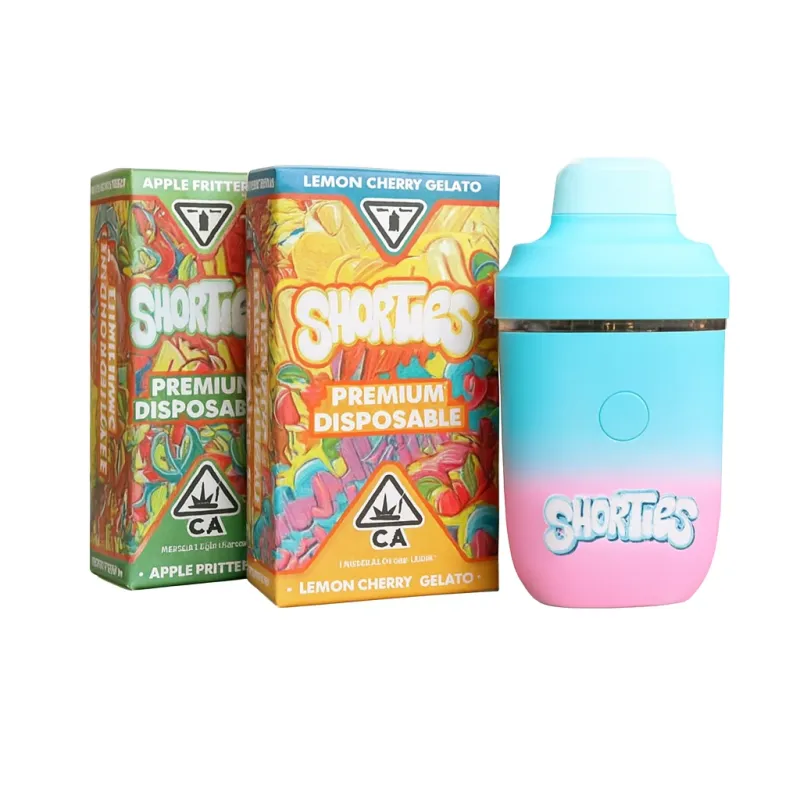
Shorties 2G Vape Pen
Pocket-sized 2g disposable vape delivering 95% THC distillate with strain-specific prof...
integrate the battery and cartridge into a single sealed unit. Because they're designed for single-use and pre-optimized at the factory, they experience fewer clogs than refillable 510-thread systems. The trade-off is environmental impact and less flexibility in strain selection, but for users who prioritize convenience, they're a valid solution.
Higher-Quality Oil Formulations
Live resin and full-spectrum extracts tend to clog less than pure distillate because they contain natural terpenes and cannabinoids that affect viscosity. These oils flow more smoothly at room temperature and don't thicken as dramatically when cold. If you're experiencing chronic clogs with distillate carts, switching to a live resin option might solve the problem entirely.
That said, higher-quality oils cost more upfront. You'll need to weigh the reduced hassle against the increased price per gram. For many users, the improved experience justifies the expense.
Frequently Asked Questions
Technically yes, but it's extremely risky and not recommended. Open flames can overheat the oil, crack the glass housing, or melt plastic components. If you must use a lighter, hold it at least 10 centimetres away and pass the flame quickly across the cart for no more than two seconds. The hair dryer method is far safer and just as effective.
Recurring clogs usually indicate one of three issues: you're storing the cart improperly (horizontally or in cold conditions), the cartridge hardware is low-quality with poor airflow design, or the oil formulation is too thick for the coil type. If you've addressed storage and usage habits and clogs persist, the cart itself is likely the problem. Consider switching to a higher-quality brand or a different oil viscosity.
Remove the mouthpiece if possible (some screw off, others don't). Blow gently through it separately. If air passes freely, the mouthpiece is clear and the clog is in the atomizer chamber. If the mouthpiece is blocked, you can rinse it with warm water and isopropyl alcohol, let it dry completely, then reattach. Atomizer clogs require the heat-based methods described above.
As long as you didn't introduce any foreign material into the airway and you wiped the mouthpiece clean afterward, yes. However, take a few short test puffs without inhaling deeply to ensure there's no burnt taste or debris. If the vapour tastes off or you see particles, discard the cart. Never inhale anything that seems contaminated.
No. In fact, taking very large or forceful draws makes clogs worse by creating negative pressure that pulls excess oil into the airway. The ideal draw is slow, steady, and moderate in strength (about three to five seconds). If you want bigger clouds, increase your battery voltage slightly rather than changing your inhalation technique.
Indirectly, yes. Batteries with inconsistent voltage output can cause uneven heating, which leads to oil pooling and clogs. Cheap batteries also tend to run hotter or cooler than their specifications claim, affecting oil viscosity. Investing in a quality variable-voltage battery with consistent power delivery reduces clog frequency and improves overall vaping experience.
Conclusion: Fix It Fast, Then Prevent It Next Time
A clogged vape cart is frustrating, but it's rarely the end of the road. Start with the safest fix,the room-temperature warm-up,and escalate only if necessary. Most clogs respond to gentle heat and patience. The paperclip method works, but it's a last resort that carries real risk of permanent damage.
Once you've cleared the blockage, focus on prevention. Store your cartridges upright in stable temperatures, take slow and steady draws, and use them regularly rather than letting oil sit stagnant. If clogs remain a chronic issue despite these habits, the problem is likely hardware quality or oil formulation, and switching products is the smartest solution.
Skip the Clog Frustration
Shop premium vape cartridges designed to minimize clogs and maximize flavour. Same-day delivery across Ottawa and Gatineau.
Browse Vape ProductsYour time and cannabis are both valuable. A two-minute fix beats tossing a half-full cart, but knowing when to move on saves even more. Whether you're troubleshooting your current setup or exploring different concentrate formats, understanding the mechanics behind clogs puts you in control of your vaping experience instead of at its mercy.


