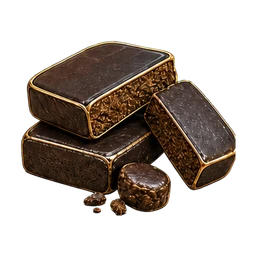

Hash is one of the oldest cannabis products in the world, with traditions stretching back centuries across Asia, the Middle East and North Africa. Today it comes in many forms, from firm, dark blocks of pressed hash to soft, sandy bubble hash that melts at a touch.
All hash is made from the same thing: the trichomes, or resin glands, of the cannabis plant. What separates one type from another is how those trichomes are collected and pressed, and that affects the texture, flavour and potency.
This article explains what hash is, the main types available, how to judge quality, and the most common ways to use it.
What Is Hash?
Hash, short for hashish, is a concentrate made by separating trichomes from cannabis plant material and compressing them together. Trichomes hold most of the plant's cannabinoids and terpenes, so hash is generally more potent and aromatic than the flower it comes from.
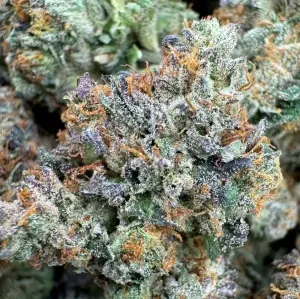
Unlike many modern concentrates, traditional hash is made without chemical solvents. The trichomes are separated mechanically, using screens, water, or simply hands, then pressed with heat and pressure. Why trichomes are so concentrated is explained in what makes a bud frosty.
The Main Types of Hash
Dry Sift and Pressed Hash
Dry sift hash is made by gently shaking or rubbing dried cannabis over fine screens. The trichomes fall through, leaving the plant material behind. The resulting powder, similar to the kief that collects in a grinder, is then pressed into blocks or slabs using heat and pressure.
This is the traditional method behind many well-known regional hashes, including Moroccan, Lebanese and Afghan styles. Pressed hash is usually firm, ranging from light tan to dark brown, and often softens when warmed in the hand. The loose powder before pressing is covered in what is kief.
Bubble Hash (Ice Water Hash)
Bubble hash is made by agitating cannabis in ice-cold water. The cold makes the trichomes brittle, so they break off the plant, and the water carries them through a series of fine mesh bags, each with a different screen size. The trichomes collected in each bag are then dried.
Bubble hash tends to be lighter in colour and can range in texture from sandy to soft and paste-like. Because the method separates trichomes very cleanly, high-quality bubble hash can be very pure and flavourful.
Full Melt
Full melt is the highest grade of bubble hash. It's so pure that it melts almost completely when heated, leaving little or no residue. Producers often grade bubble hash on a star scale, with six-star full melt at the top. Full melt is usually dabbed rather than smoked in a joint, and it's often used to make hash rosin.
Charas (Hand-Rubbed Hash)
Charas is a traditional hash from the Himalayan regions of India and Nepal. Instead of using dried plants, makers rub the flowers of living cannabis plants between their palms. The sticky resin builds up on their hands and is rolled into balls or sticks.
Charas is usually dark, soft and pliable, with a rich, earthy aroma. Because it's made from fresh plants, it can taste different from hash made with dried material. Many of these regional styles come from landrace cannabis, explained in what is a landrace strain.
Temple Balls
Temple balls are a traditional Nepalese style of hash. Hand-rubbed resin is rolled into dense, smooth spheres and often cured for weeks or months. The outside can develop a glossy shell, while the inside stays soft and aromatic.
Hash Rosin
Hash rosin is made by pressing bubble hash between heated plates, which squeezes out the resin as a sticky oil. It's considered one of the purest solventless concentrates. Whether pressing it yourself makes financial sense is covered in rosin press at home.
How to Judge Hash Quality
Hash varies widely in quality, and no single test tells you everything. These signs are useful:
-
Aroma. Good hash has a strong, pleasant smell, often earthy, spicy, sweet or floral. A musty, damp or chemical smell is a warning sign.
-
Texture. Quality hash is usually pliable and softens when warmed in your hand. Very hard, brittle hash can be old or contain more plant material.
-
Colour. Colour varies by type and method, so it isn't a reliable sign on its own. Bubble hash tends to be lighter, while pressed and hand-rubbed hash is darker.
-
How it melts. When heated, good hash softens and bubbles. Hash that turns black and crumbly or leaves a lot of ash may contain more plant matter.
The "bubble test" is often mentioned as proof of quality, but bubbling only shows that hash contains resin and oils. It doesn't confirm purity on its own, so it's best considered alongside aroma and texture.
How to Use Hash
-
In a joint. Warm a small piece, roll it into a thin strip, and lay it along the flower before rolling. This style is often used in infused pre-rolls.
-
In a bowl. Crumble a small amount over a layer of flower so it doesn't fall through the bowl.
-
Dabbing. High-grade bubble hash and full melt can be dabbed like other concentrates.
-
Cooking. Hash can be decarbed and infused into butter or oil. Because it's stronger than flower, use much less.
Store hash in an airtight container in a cool, dark place to keep its aroma and texture.
Exploring Hash
Uper Weed offers online weed delivery in Canada, and our hash section lists each product's style and THC content.



 %
 %