Walk into any cannabis shop in Canada and you'll hear the same question dozens of times a day: "What's your strongest strain?" For years, the cannabis industry has trained consumers to believe that higher THC percentage equals a better high. But here's the uncomfortable truth that budtenders and cannabis scientists have known for years: chasing THC numbers is one of the biggest mistakes modern cannabis consumers make. The 30% THC flower sitting on the top shelf might actually deliver a less satisfying experience than the 18% strain sitting beside it, and understanding why requires us to dismantle one of the industry's most persistent myths.
The obsession with THC percentage has created a distorted market where growers prioritize potency testing over actual quality, consumers overpay for numbers that don't guarantee results, and the complex chemistry that makes cannabis truly effective gets ignored entirely. If you've ever wondered why that 28% THC strain felt weaker than the 19% you tried last month, or why your friend gets more medicated from "weaker" weed, you're about to discover that cannabis potency is far more nuanced than a single number on a label.
The THC Arms Race: How We Got Here
The Canadian cannabis market's fixation on THC percentage didn't happen by accident. When legalization arrived in 2018, newly legal producers needed simple metrics to differentiate their products on regulated shelves. THC content became the industry's horsepower rating, the megapixel count, the proof percentage that consumers could instantly understand and compare. Brands marketed their highest-testing batches aggressively, retailers organized shelves by potency tiers, and consumers learned to equate bigger numbers with better value.
This created a predictable market distortion. Cultivators began selecting genetics and harvest timing specifically to maximize THC test results, sometimes at the expense of terpene preservation and overall flower quality. Testing labs faced pressure to deliver competitive numbers. And consumers developed an almost algorithmic approach to cannabis selection: higher percentage equals stronger effect equals better purchase decision.
The Testing Lab Reality Check
Here's what most consumers don't know about those precise-looking THC percentages: cannabis potency testing has a margin of error of plus or minus 10-15%. The 24% THC label could represent flower that actually contains anywhere from 20% to 28% THC, depending on which specific bud from the batch got tested, how it was stored, and which testing methodology the lab used. Different labs using different equipment on samples from the same harvest can produce results that vary by several percentage points.
The testing process itself introduces variables. Labs test small samples from larger batches, and THC distribution isn't perfectly uniform throughout a plant. The top cola might test at 26% while lower branches from the same plant test at 19%. The sample that goes to the lab might not accurately represent the flower that ends up in your jar. Add in differences between testing fresh flower versus cured flower, and the precision implied by "24.7% THC" starts looking more like an approximation than a guarantee.
Why That 30% THC Strain Might Disappoint You
The highest-testing strains often deliver surprisingly underwhelming experiences, and there's solid science explaining why. When cultivators push plants to produce maximum THC, they're often making tradeoffs that compromise the overall experience. Plants bred and grown specifically for THC production may develop less robust terpene profiles. Harvesting at the precise moment THC tests highest might mean collecting flower before terpenes fully mature or after they've begun to degrade.
There's also the law of diminishing returns to consider. Research suggests that once THC levels exceed approximately 15-20%, the increase in psychoactive intensity plateaus dramatically. The difference in subjective effects between 15% and 20% THC is noticeable. The difference between 25% and 30%? Often negligible, and sometimes the higher percentage actually produces less desirable effects.
The Ceiling Effect Explained
Your endocannabinoid system has a finite number of CB1 and CB2 receptors that THC can bind to. Once those receptors are saturated, additional THC doesn't produce proportionally stronger effects, it just extends duration or increases unpleasant side effects like anxiety and paranoia. Think of it like volume on a speaker: turning the dial from 3 to 5 makes a significant difference, but turning it from 8 to 10 doesn't double the loudness, it just adds distortion.
This ceiling effect means that consuming 30% THC flower doesn't get you 50% more high than consuming 20% THC flower. It might get you 10-15% more elevated, while costing 30-40% more money. The math simply doesn't support the premium pricing that ultra-high THC commands, yet consumers continue paying it because the number feels impressive.
When High THC Backfires
For many consumers, especially those with lower tolerance or sensitivity to anxiety, extremely high THC percentages produce actively worse experiences. The paranoia, racing thoughts, and physical discomfort that can accompany THC overconsumption aren't bugs, they're features of dosing beyond your sweet spot. Managing your tolerance means finding your optimal range, not constantly pushing toward maximum potency.
Experienced consumers often report that moderate THC strains with rich terpene profiles deliver more nuanced, functional, and ultimately satisfying highs than one-dimensional ultra-potent cultivars. The 18% Blue Dream with incredible myrcene and pinene content might provide better pain relief, clearer headspace, and more enjoyable sensory enhancement than the 32% strain that just makes you anxious and glued to the couch.
The Entourage Effect: Why Everything Else Matters More
The biggest piece of the cannabis puzzle that THC-focused shopping ignores entirely is the entourage effect, the synergistic interaction between cannabinoids, terpenes, and other plant compounds that produces cannabis's full spectrum of effects. THC doesn't work in isolation. It works in concert with dozens of other molecules, each modulating and enhancing the others in ways that a single potency number can't capture.
Two strains with identical 22% THC can produce completely different experiences based on their supporting cast of compounds. One might be rich in myrcene and linalool, producing sedating, muscle-relaxing effects perfect for evening use. The other might feature limonene and pinene, creating an energizing, focus-enhancing experience better suited for daytime. The THC percentage tells you nothing about which experience you'll get.
Terpenes: The Overlooked Powerhouses
Terpenes are aromatic compounds that don't just provide cannabis's distinctive smells, they actively shape your experience by interacting with cannabinoid receptors and producing their own pharmacological effects. Myrcene enhances THC's ability to cross the blood-brain barrier. Pinene can counteract some of THC's short-term memory effects. Limonene elevates mood and may enhance serotonin and dopamine activity.
A strain with 18% THC and 3% total terpenes will typically deliver a more complex, satisfying experience than a strain with 28% THC and 0.8% terpenes. Yet most product labels prominently display THC while relegating terpene information to fine print or omitting it entirely. This is like judging wine quality solely by alcohol percentage while ignoring everything that actually makes wine interesting.
Minor Cannabinoids Making Major Contributions
Beyond THC and CBD, cannabis produces dozens of minor cannabinoids that contribute to effects in subtle but meaningful ways. CBG (cannabigerol) may enhance focus and reduce inflammation. CBC (cannabichromene) shows potential for mood elevation and pain relief. THCV (tetrahydrocannabivarin) can produce energizing effects and may suppress appetite, opposite to THC's typical munchie-inducing properties.
These minor cannabinoids typically appear in concentrations well below 1%, but their presence fundamentally alters how the dominant cannabinoids behave. A strain with 20% THC, 0.3% THCV, and 0.5% CBG will feel distinctly different from a strain with 20% THC and virtually no minor cannabinoids. Yet again, shopping by THC percentage alone gives you no insight into this crucial aspect of the chemical profile.
What Actually Predicts a Quality High
If THC percentage isn't the reliable indicator consumers have been taught to believe, what should you actually look for when selecting cannabis? The answer involves multiple factors that work together to predict satisfaction, potency perception, and overall experience quality.
Freshness Trumps Potency
A six-month-old jar of 28% THC flower has likely degraded to below 22% due to cannabinoid breakdown, while also losing the volatile terpenes that made it appealing in the first place. Meanwhile, a two-week-old jar of 19% THC flower retains its full chemical profile and will deliver a vastly superior experience. Freshness is the most underrated factor in cannabis quality, yet it's something most consumers never think to ask about.
Look for harvest dates or packaging dates on products when possible. Properly stored cannabis maintains quality for 6-12 months, but the first three months after harvest represent peak freshness. Buying from retailers with high turnover and asking about stock age gives you better odds of getting flower that still expresses its full potential, regardless of the THC number on the label.
Visible Quality Indicators
Your eyes and nose are better judges than a lab test from a different batch weeks ago. Trichome coverage indicates resin production and overall cannabinoid content. Dense, visible trichomes that look white or amber suggest properly developed flower. Aroma intensity signals preserved terpenes, the actual drivers of effects and experience quality. If flower doesn't smell strongly when the jar opens, its terpenes have degraded and the experience will be muted regardless of THC percentage.
Proper cure matters enormously. Well-cured flower has the right moisture content, burns evenly, and preserves cannabinoids and terpenes. Improperly dried or cured cannabis might test high for THC but delivers harsh, unsatisfying smoke and diminished effects. These quality factors matter more than a few percentage points of THC difference, but they require actually examining the product rather than just reading numbers.
Strain Genetics and Growth Conditions
The genetic lineage of a strain and the conditions under which it was grown influence effects as much as cannabinoid percentages. Craft cannabis cultivators who prioritize plant health, organic growing methods, and proper environmental conditions produce flower with more complete chemical profiles, even if THC tests slightly lower than mass-produced alternatives.
A well-grown, properly phenotyped cut of a classic strain like quality indica at 21% THC will outperform a poorly grown novelty strain at 27% THC every time. Genetics determine the ceiling of what's possible, but growing conditions determine whether the plant reaches that ceiling. Shopping by cultivator reputation rather than THC numbers often yields more consistent satisfaction.
The Real Cost of Chasing Numbers
The THC percentage obsession costs consumers in multiple ways beyond just paying premium prices for marginal potency gains. It distorts the entire market, creating perverse incentives that ultimately reduce the diversity and quality of available products.
The Pricing Premium Doesn't Math
Retailers typically charge $2-5 more per gram as THC percentages climb from the low 20s into the high 20s and beyond. That 28% strain at $14/gram versus the 19% strain at $10/gram represents a 40% price increase for a difference that, in actual consumed experience, might be 10-15% more potent at best. From a value perspective, mid-potency strains with good terpene profiles offer significantly better bang for your buck.
Consider the math on a practical level. If you typically consume 0.5 grams in a session with 20% THC flower (100mg THC consumed), switching to 30% THC flower means consuming 150mg THC in that same half-gram. But you could achieve identical results by consuming 0.75 grams of the 20% strain, and if the 20% strain costs 30-40% less, you're still coming out ahead financially while likely enjoying better flavour and more balanced effects.
Market Homogenization
When the market rewards only high THC numbers, cultivators stop growing interesting but moderate-potency varieties. Unique landrace genetics, complex heirlooms, and flavourful cultivars that don't test above 22% disappear from menus because consumers won't buy them. The result is a cannabis market with less diversity, where everything trends toward the same high-THC, low-terpene profile optimized for testing rather than experience.
This loss of diversity means fewer options for consumers who want specific terpene profiles, particular effect characteristics, or strains that work well for their individual body chemistry. The genetic narrowing of commercially available cannabis directly results from the THC percentage obsession, creating a market that serves numbers rather than nuance.
How to Shop Smarter: Beyond the THC Number
Breaking free from THC-focused shopping requires developing a more sophisticated framework for evaluating cannabis. Here's how experienced consumers make selections that consistently deliver satisfaction.
Ask About Terpene Profiles
Request lab reports or ask staff about dominant terpenes in strains you're considering. Look for total terpene content above 2% when possible. Learn which terpenes produce effects you enjoy: myrcene for relaxation, limonene for mood elevation, pinene for alertness, caryophyllene for body effects. A budtender who can discuss terpenes is more valuable than one who just points to the highest THC number.
Some producers now label products with dominant terpenes alongside cannabinoid content. Support these companies by choosing their products, even if THC tests slightly lower. Your purchasing decisions send market signals, and choosing based on complete chemical profiles rather than just THC encourages better industry practices.
Trust Your Experience Over Marketing
Keep notes on strains that work well for you, including their terpene profiles and growing conditions if available. You'll likely discover that your favourite strains fall into a particular terpene or cannabinoid profile range, and that profile matters more than THC percentage. A 19% strain that checks your boxes will always outperform a 29% strain that doesn't.
Pay attention to how different potency levels actually affect you rather than assuming higher is better. Many consumers discover their sweet spot lies in the 15-22% range, where effects are strong enough to be clearly therapeutic or recreational without tipping into uncomfortable intensity. There's no shame in preferring moderate potency if that's what works for your body and use case.
Value Quality Over Quantity of THC
Allocate your budget toward better-grown flower at moderate potency rather than mediocre flower at maximum potency. The best cultivators in Canada focus on complete chemical profiles, proper growing conditions, and careful curing. Their products might test at 18-24% THC but deliver experiences that blow away 30% THC mass-market options. Quality compounds at moderate levels beat degraded compounds at high levels every single time.
Buying larger quantities of mid-tier potency strains often provides better overall value than buying premium-priced ultra-potent strains in smaller amounts. If you can get 7 grams of excellent 20% flower for the price of 3.5 grams of mediocre 28% flower, the math favours quality and quantity over marketing hype.
Different Use Cases Require Different Potencies
The ideal THC percentage varies dramatically based on what you're trying to accomplish and your individual tolerance level. There's no universal "best" potency, only what's appropriate for your situation.
Medical vs Recreational Considerations
Medical cannabis patients managing chronic conditions often find that consistent moderate potency works better than variable high potency. A reliable 17-20% strain allows for precise dosing and predictable effects throughout the day. Ultra-high THC can produce tolerance buildup that makes lower doses less effective over time, forcing patients to consume more to achieve the same relief.
Recreational users have more flexibility but still benefit from matching potency to context. Social situations might call for 12-18% strains that allow for extended consumption and conversation without overwhelming intensity. Solo relaxation might work better with 20-25% strains for deeper effects. The right tool for the job approach beats one-size-fits-all high potency every time.
Tolerance and Individual Variation
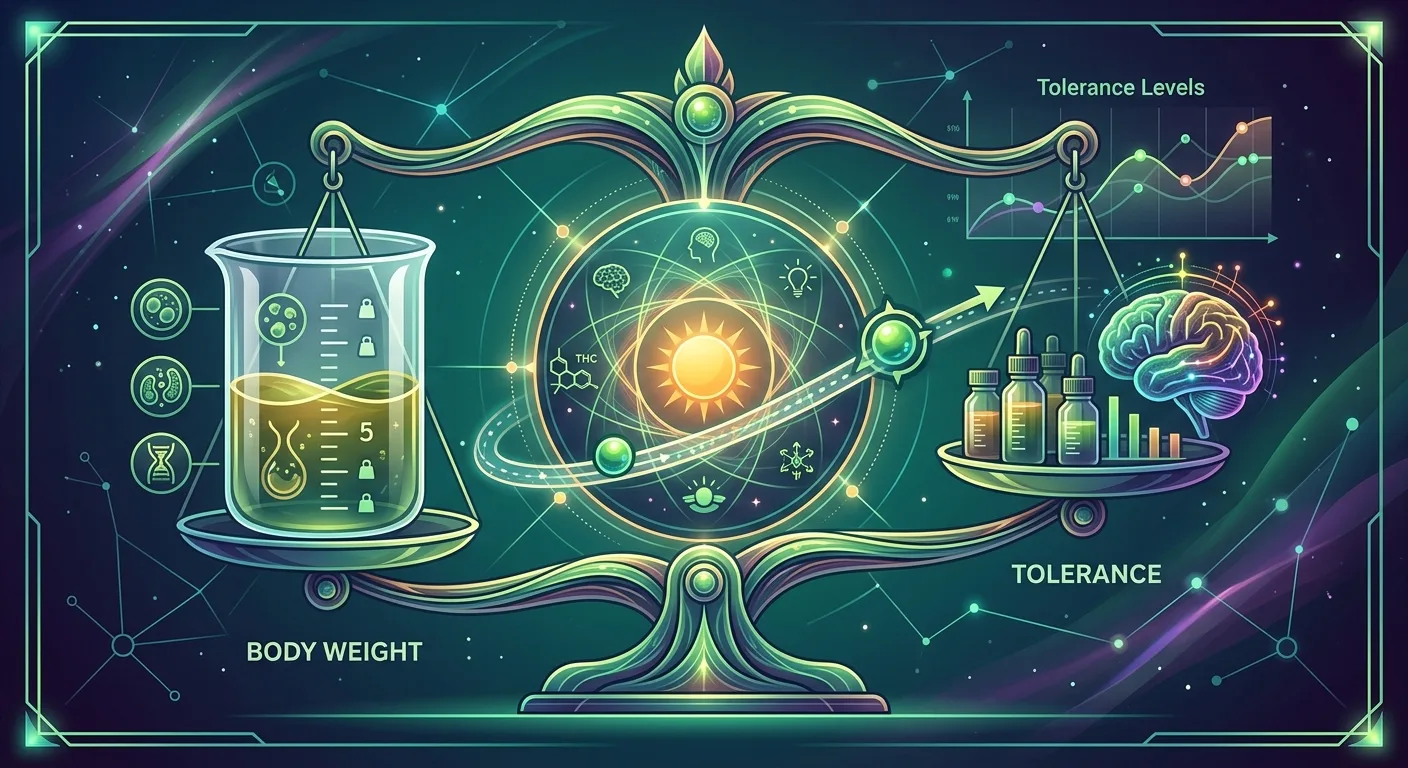
Individual endocannabinoid system variation means the same strain affects different people differently. Some consumers have naturally higher cannabinoid receptor density or different metabolic processing that makes them more or less sensitive to THC. Just as some people don't respond to edibles, some people need less flower to achieve desired effects regardless of THC percentage.
Rather than assuming you need the highest potency available, experiment with a range to find your personal effective dose. You might discover that 16% flower gets you exactly where you want to be, saving money and reducing tolerance buildup compared to constantly consuming 28% products. Your biology determines your ideal potency, not marketing or peer pressure.
Find Your Perfect Strain
Stop chasing THC numbers and discover cannabis that actually works for you. Browse our selection of craft strains with detailed terpene profiles and honest potency information.
Shop By Profile, Not Just PercentageAbsolutely. Most experienced consumers find that 18-24% THC provides robust effects when combined with good terpene profiles. Effects depend more on the complete chemical composition than THC percentage alone. Many seasoned users actually prefer moderate potency strains with rich terpenes over ultra-high THC options that lack complexity.
The entourage effect explains this phenomenon. Strains with moderate THC but robust terpene and minor cannabinoid profiles often produce more pronounced and satisfying effects than THC-dominant strains with minimal supporting compounds. Terpenes like myrcene enhance THC absorption and modify effects significantly. The total chemical profile matters more than any single component.
Terpenes make a substantial difference supported by scientific research. They interact with cannabinoid receptors, modulate neurotransmitter activity, and produce their own pharmacological effects. Studies show that the same dose of isolated THC produces noticeably different effects than THC consumed with its natural terpene profile intact. Myrcene enhances sedation, pinene improves alertness, and limonene elevates mood through measurable mechanisms.
Batch-to-batch variation can range from 2-6 percentage points even with the same genetics and cultivator. Growing conditions, harvest timing, curing process, and testing methodology all introduce variation. A strain that tested at 24% THC in one batch might test at 19% or 27% in subsequent batches. This variation is normal and highlights why single-number shopping doesn't guarantee consistency.
While THC itself has remarkably low toxicity, extremely high percentages increase the risk of uncomfortable psychological effects like anxiety and paranoia, especially for less experienced users. Most experts suggest that beyond 25-30% THC, the risks of negative experiences begin outweighing marginal potency gains. Individual tolerance varies significantly, so safe limits depend on personal experience and consumption context.
Generally no, unless terpene profiles and quality indicators also justify the premium. The potency increase from 22% to 28% THC rarely produces proportional improvement in effects but often commands 30-50% higher prices. Better value typically comes from mid-potency strains with excellent terpene content and proper cultivation practices. Save money and get better experiences by prioritizing complete chemical profiles over maximum THC.
Conclusion: Rethinking Cannabis Potency
The question "is higher THC percentage always better" has a clear answer: no, and treating it as the primary quality metric actively works against finding cannabis that serves your needs. THC percentage provides one limited data point in a complex chemical story that includes dozens of terpenes, minor cannabinoids, and synergistic interactions that actually determine your experience. The 15% strain with exceptional terpenes will consistently outperform the 30% strain that's been stripped down to pure potency.
Smart cannabis shopping means looking beyond marketing numbers to evaluate freshness, terpene content, growing practices, and overall quality. It means understanding that your endocannabinoid system has limits, that effects plateau well before maximum potency, and that chasing numbers leads to diminishing returns both in experience and value. The Canadian cannabis market offers incredible diversity when you stop filtering everything through the narrow lens of THC percentage.
Next time you're selecting cannabis, challenge yourself to ignore the potency number until you've evaluated everything else: How does it smell? What are the dominant terpenes? How recently was it harvested? What do the trichomes look like? Let the complete picture guide your decision rather than a single figure on a label. Your experience, your wallet, and the future diversity of the cannabis market will all benefit from moving beyond the THC obsession toward a more nuanced understanding of what makes cannabis truly effective. Browse strains by their complete chemical profiles and discover what you've been missing by chasing numbers instead of quality.