If you've ever walked into a dispensary and immediately reached for the highest THC percentage on the shelf, you're not alone. For years, the cannabis industry has marketed THC content as the ultimate measure of quality. But here's the truth that experienced consumers and researchers alike are discovering: a strain testing at 20% THC can deliver a more satisfying, effective experience than one boasting 30% or higher. Understanding why requires a deeper look at the complex chemistry of cannabis and how different compounds work together in what scientists call the "entourage effect."
The THC Myth: Why Higher Isn't Always Better
Walk into any cannabis store and you'll see it: strains proudly displaying THC percentages like badges of honour. The assumption is simple: more THC equals a stronger high. But this oversimplification ignores the sophisticated interplay of over 100 cannabinoids and 200+ terpenes found in cannabis plants.
THC (tetrahydrocannabinol) is certainly the primary psychoactive compound in cannabis, but it's far from the only player in your experience. Think of it like wine: you wouldn't judge a vintage solely by its alcohol content. A 12% wine can be more complex, flavourful, and enjoyable than a harsh 16% alternative. The same principle applies to cannabis.
Research shows that THC potency has increased dramatically over the past decades, but consumer satisfaction hasn't increased proportionally. In fact, many users report better experiences with moderately potent, terpene-rich strains.
Consider a strain like our Island Pink Kush, which typically tests around 20-22% THC. Despite its moderate potency, this indica delivers profound relaxation and pain relief that many users find superior to higher-testing alternatives.
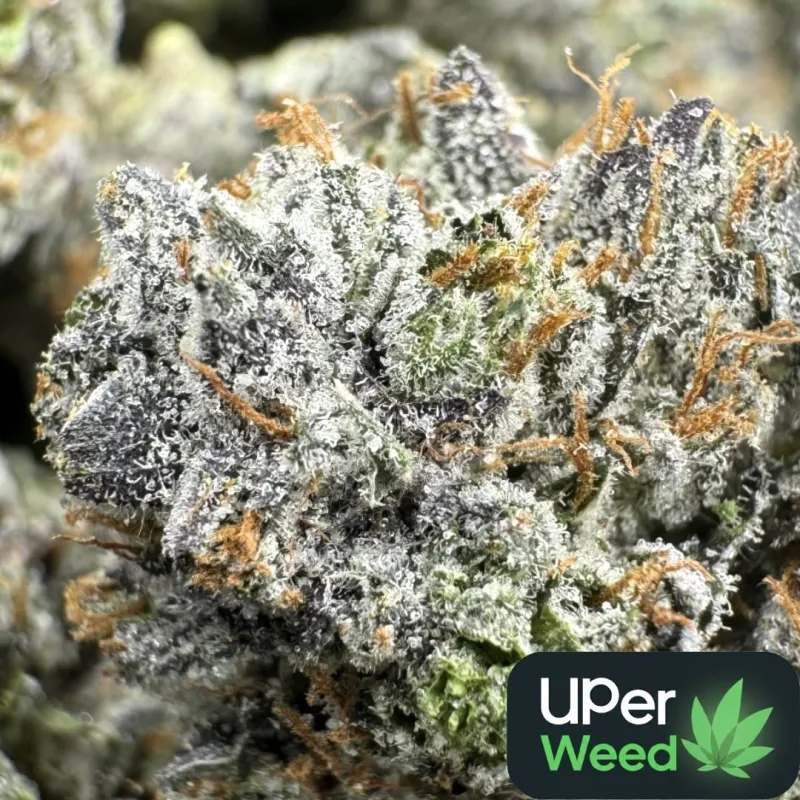
Island Pink Kush
Neon-green indica with 34.21% THC, hot-pink hairs and a vanilla-candy, floral, earthy-s...
The Entourage Effect: Cannabis as a Symphony
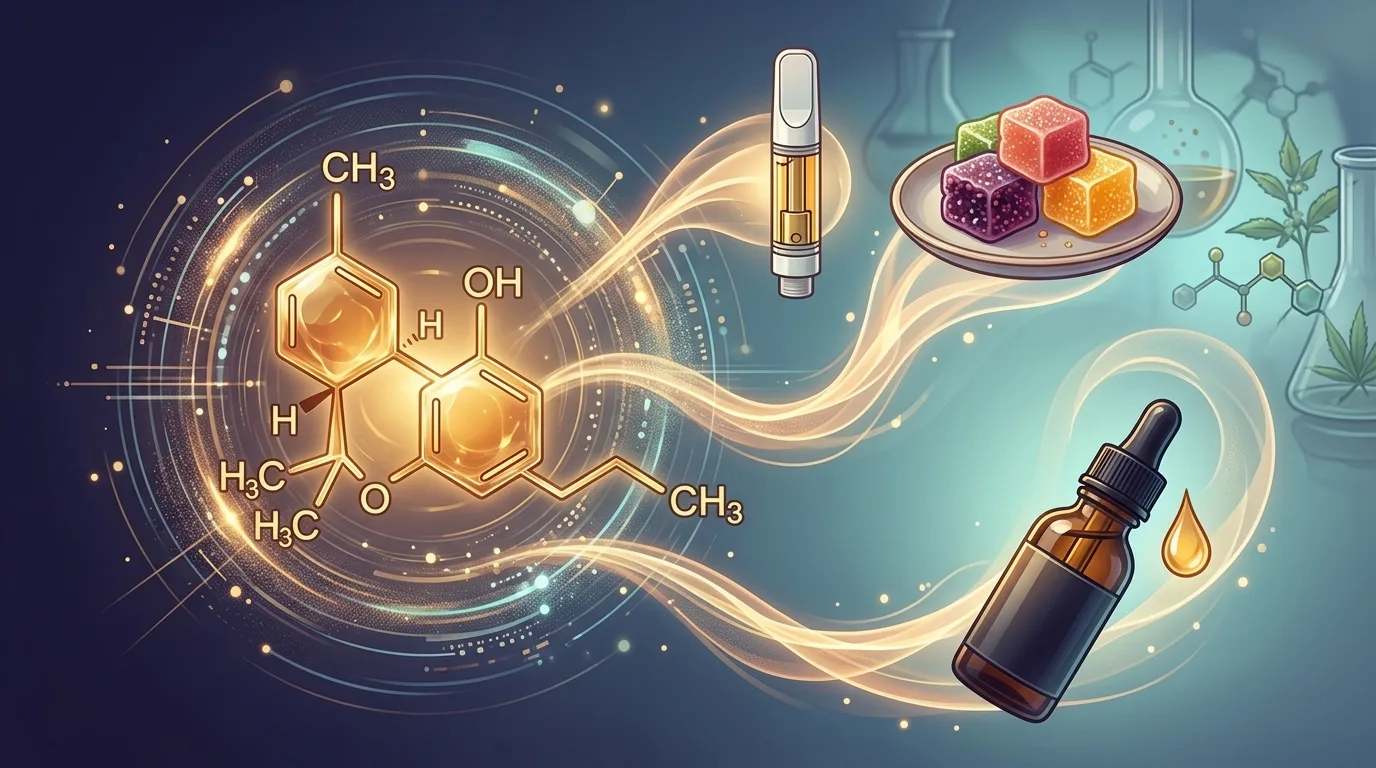
The entourage effect is the key to understanding why THC percentage isn't everything. This phenomenon describes how cannabinoids, terpenes, and flavonoids work synergistically to produce effects greater than the sum of their parts.
When you consume cannabis, THC doesn't work alone. CBD can modulate THC's psychoactive effects, reducing anxiety and paranoia. CBG (cannabigerol) may enhance focus and provide anti-inflammatory benefits. CBN (cannabinol) contributes to sedative effects. Meanwhile, terpenes like myrcene, limonene, and linalool don't just create aroma,they actively influence how cannabinoids interact with your body's endocannabinoid system.
A strain with 20% THC but a rich terpene profile and balanced minor cannabinoids can produce more nuanced, therapeutic, and enjoyable effects than a 30% THC strain bred solely for potency. The latter might hit hard initially but often lacks the depth and duration that comes from a full-spectrum profile.
Terpenes: The Unsung Heroes of Your High
If THC is the engine of your cannabis experience, terpenes are the steering wheel. These aromatic compounds determine not just how your cannabis smells and tastes, but fundamentally shape its effects.
Myrcene, the most common terpene in cannabis, produces earthy, musky notes and enhances THC's ability to cross the blood-brain barrier. It's responsible for the "couch-lock" effect many associate with indicas. Limonene offers citrusy aromas and uplifting, stress-relieving properties. Pinene smells like pine forests and may improve focus and memory retention. Linalool brings lavender notes and powerful anti-anxiety effects.
A strain like Purple Trainwreck demonstrates this perfectly. With THC levels in the moderate range, its complex terpene profile delivers a balanced hybrid experience that's both mentally stimulating and physically relaxing.
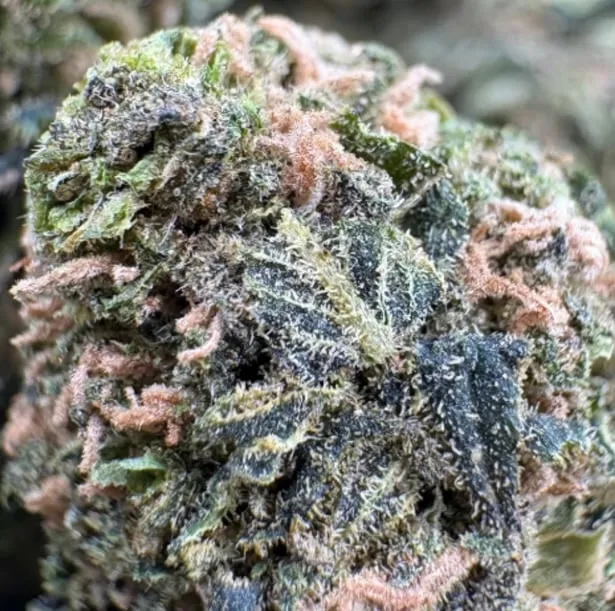
Purple Trainwreck
31.98% THC balanced hybrid with purple-frosted buds and a lively mix of sweet grape, be...
High-THC strains rushed to market often sacrifice terpene development for raw potency. The result? A one-dimensional experience that might get you high but lacks the therapeutic subtlety and enjoyable flavour profile that terpene-rich cannabis provides.
Tolerance, Diminishing Returns, and the 30% Problem
There's another practical issue with constantly chasing the highest THC numbers: tolerance. Your endocannabinoid system adapts to regular high-dose THC consumption, requiring increasingly larger amounts to achieve the same effects. This isn't sustainable or economical.
Many experienced consumers practice "tolerance breaks" or intentionally rotate between different potency levels to maintain sensitivity. Using moderately potent strains (18-24% THC) with diverse terpene profiles can actually preserve your tolerance while providing more consistent, predictable effects.
Moreover, ultra-high THC strains can produce uncomfortable side effects in many users: anxiety, paranoia, racing thoughts, and even mild hallucinations. The sweet spot for most consumers falls between 18-25% THC when combined with a robust supporting cast of other compounds.
What to Look for Instead of Just THC
So if THC percentage isn't the ultimate metric, what should you consider when selecting cannabis? Here are the factors that truly matter:
- Terpene profile: Look for lab reports that list major terpenes and their percentages. Total terpene content above 2% typically indicates a flavourful, aromatic, and effective strain.
- Cannabinoid diversity: Strains with detectable levels of CBD, CBG, CBN, and other minor cannabinoids often provide more balanced effects.
- Freshness and cure quality: A well-cured 20% THC strain will always outperform poorly stored 30% flower.
- Growing methods: Organic, small-batch cultivation typically produces more complex chemical profiles than mass-produced flower.
- Your individual needs: Match the strain's characteristics to your desired effects rather than just grabbing the highest number.
Many connoisseurs seek out strains with 1-3% total terpenes and balanced cannabinoid profiles over those with raw THC numbers. The overall chemical complexity matters more than any single compound.
Our Sour Diesel exemplifies this principle. As a classic sativa with moderate THC levels, it delivers energizing, creative effects thanks to its distinctive terpene profile dominated by pungent diesel and citrus notes.
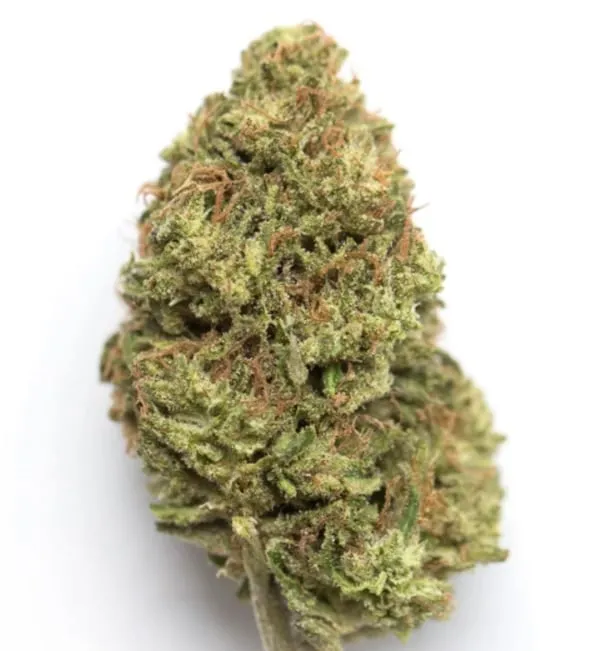
Black Widow
THC: 31.85%Flavor: Woody pine, herbal spice, and smooth citrus Aroma: Earthy musk with ...
The Bottom Line: Quality Over Quantity
The cannabis industry is slowly moving away from the "THC arms race" as consumers become more educated and sophisticated. Craft cultivators focus on genetic diversity, terpene preservation, and growing techniques that enhance the full spectrum of compounds rather than just maximizing THC.
This doesn't mean high-THC strains are bad,many are excellent. But they're not inherently superior to moderately potent alternatives. A 20% THC strain from a skilled grower who prioritizes terpene development and proper curing will consistently deliver a better experience than a 30% strain grown for nothing but potency numbers.
As you explore cannabis, experiment with different strains across the potency spectrum. Pay attention to how you feel, how long effects last, and which terpene profiles resonate with you. You might discover that your favourite strain tests at 22% THC,and that's perfectly fine. In fact, it might be exactly what your endocannabinoid system has been craving.
Not necessarily. While THC is the primary psychoactive compound, the overall effect depends on the complete chemical profile including terpenes and minor cannabinoids. A 20% strain with rich terpenes can feel stronger and more satisfying than a 30% strain lacking chemical diversity.
Beginners should start with strains in the 10-18% THC range. This allows you to experience cannabis effects without overwhelming your system. You can always consume more, but you can't consume less once you've gone too far.
Check lab reports for terpene percentages,look for total terpene content above 1.5-2%. Also trust your nose: fresh, aromatic cannabis with strong, pleasant smells typically has better terpene preservation than odourless flower.
THC alone can produce anxiety and paranoia, especially at high doses. Strains with balanced CBD, CBG, and calming terpenes like linalool tend to produce smoother experiences with less anxiety. The entourage effect helps modulate THC's intensity.
Testing variability exists across labs, and THC degrades over time. Numbers should be used as general guidelines rather than absolute measurements. Factors like storage, curing, and harvest timing all affect final cannabinoid content.
Discover Quality Over Potency
Explore our curated selection of terpene-rich, balanced strains that prove THC percentage isn't everything
Shop Premium Flower