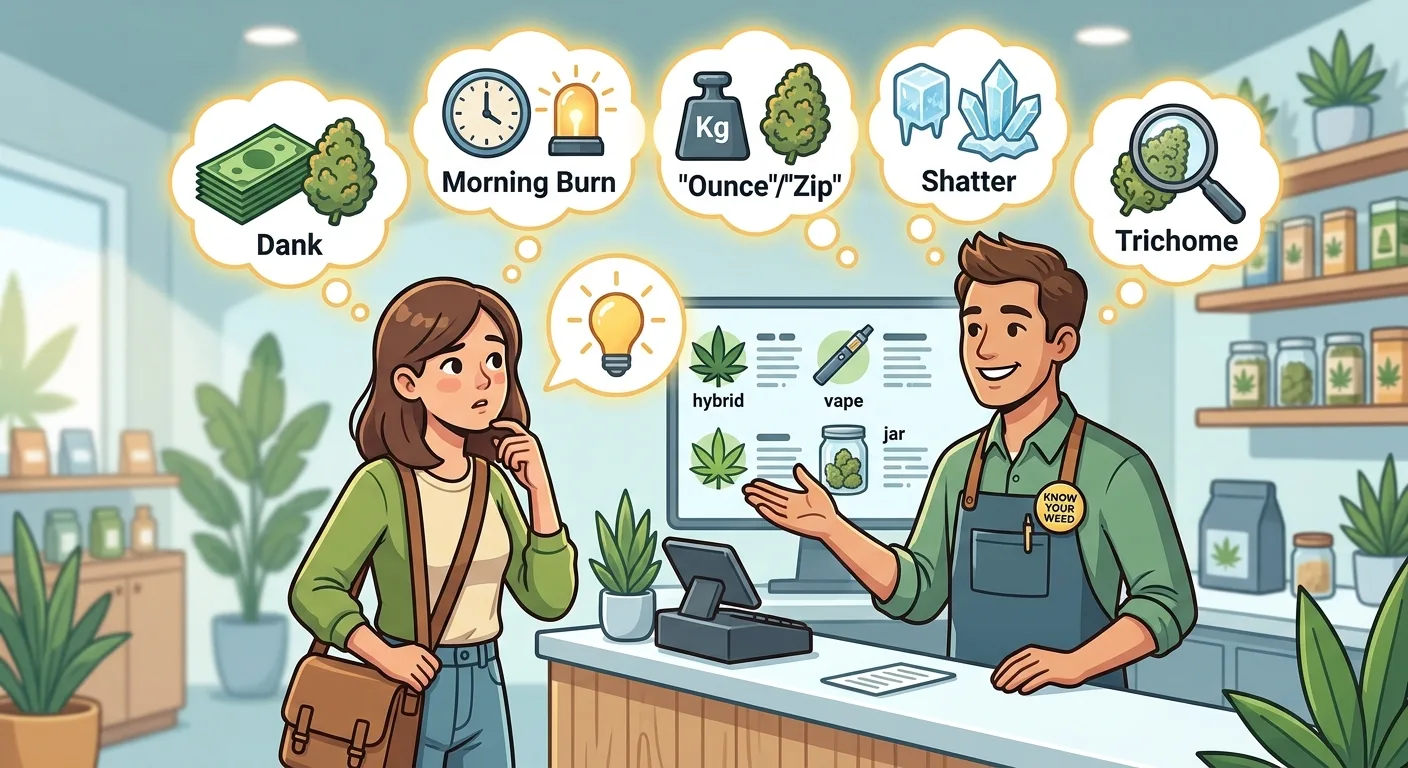
Walking into a cannabis shop or browsing an online dispensary menu for the first time can feel like stepping into a foreign country where everyone speaks a language you barely understand. Terms like "eighth," "shatter," "terps," and "cured resin" get thrown around casually by budtenders and seasoned consumers, leaving newcomers nodding along while secretly wondering what any of it actually means. If you've ever felt lost trying to decode a strain description or embarrassed to ask what "indica-dominant" really signifies, you're not alone. This comprehensive cannabis slang glossary breaks down every term you'll encounter when ordering weed online in Canada or shopping at a dispensary, translating budtender language into plain English so you can shop with confidence.
Understanding cannabis terminology isn't just about sounding knowledgeable. It directly impacts your ability to find products that match your preferences, communicate your needs effectively, and avoid purchasing something that doesn't deliver the experience you're looking for. Whether you're trying to figure out if you want flower, concentrates, or edibles, this guide will decode the entire cannabis vocabulary from consumption methods to measurement units to strain classifications.
Flower and Product Types: What You're Actually Buying
The foundation of cannabis terminology starts with understanding what form of cannabis you're purchasing. Each product type offers different potency levels, consumption methods, and effects duration.
Flower (Bud, Nug, Weed)
These terms all refer to the dried and cured cannabis flowers harvested from female plants. When someone says "flower," they mean the smokable, traditional form of cannabis that gets broken apart and rolled into joints or packed into pipes and bongs. "Nug" specifically describes a single dense piece of flower, while "bud" is the everyday term most consumers use. Quality flower should have visible trichomes (the tiny crystal-like structures), emit a strong aroma, and feel slightly sticky but not wet.
Concentrates (Extracts, Dabs)
Concentrates are products created by extracting cannabinoids and terpenes from flower, resulting in significantly higher THC percentages than traditional bud. The category includes shatter, wax, budder, live resin, rosin, and distillate. "Dabs" refers both to the concentrate itself and the consumption method of vapourizing concentrate on a heated surface. These products typically range from 60-90% THC compared to flower's 15-30%, making them considerably more potent.
Pre-Rolls (Joints, J's)
Pre-rolls are ready-to-smoke joints that have been rolled for you by the producer or dispensary. They eliminate the need to learn rolling techniques or purchase separate rolling papers. Some pre-rolls are "infused" with concentrates or coated in kief for increased potency, while others contain standard ground flower.
Edibles
Any cannabis-infused food or beverage falls under the edibles category. These include gummies, chocolates, baked goods, beverages, and capsules. The key distinction with edibles is that they're processed through your digestive system rather than your lungs, creating effects that take 30 minutes to 2 hours to appear but last significantly longer than smoking.
Vapes and Cartridges
Vape products heat cannabis oil or concentrate to produce vapour without combustion. "Cartridges" or "carts" are pre-filled containers that attach to reusable battery pens, while "disposable vapes" come as all-in-one units you throw away when empty. Live resin carts contain terpene-rich extract from fresh-frozen plants, while distillate carts offer higher THC but fewer natural plant compounds.
Measurement Terms: Decoding Cannabis Weights
Cannabis is sold by weight in Canada, but the slang terms don't always make the measurements obvious. Understanding these terms helps you compare prices and determine how much product you're actually getting.
Gram (G)
The smallest common unit, one gram typically provides 1-3 joints depending on how you roll. It's the standard measurement for trying new strains without committing to larger quantities.
Eighth (3.5g)
An eighth refers to one-eighth of an ounce, which equals 3.5 grams. This represents the most popular purchase size for regular consumers who want enough product to last a few days to a week without buying in bulk. The term comes from imperial measurements still commonly used despite Canada's metric system.
Quarter (7g), Half Ounce (14g), Ounce (28g)
These larger measurements represent bulk purchases that offer better per-gram pricing. A quarter is 7 grams, a half ounce is 14 grams, and a full ounce maxes out at 28 grams. In Canada, individuals can legally possess up to 30 grams of dried flower in public, making an ounce the practical maximum for personal carrying. Many experienced consumers prefer buying by the ounce for significant cost savings.
QP, HP, Pound
Quarter pound (QP, roughly 113 grams), half pound (HP, roughly 226 grams), and full pound (roughly 453 grams) represent quantities that exceed personal possession limits and typically indicate commercial or medical use. Most recreational consumers will never purchase these amounts.
Strain Classifications and Chemovars: Beyond Indica vs Sativa
The traditional indica-sativa-hybrid classification system remains the most common way budtenders and brands categorize effects, even though modern cannabis science recognizes it as an oversimplification.
Indica
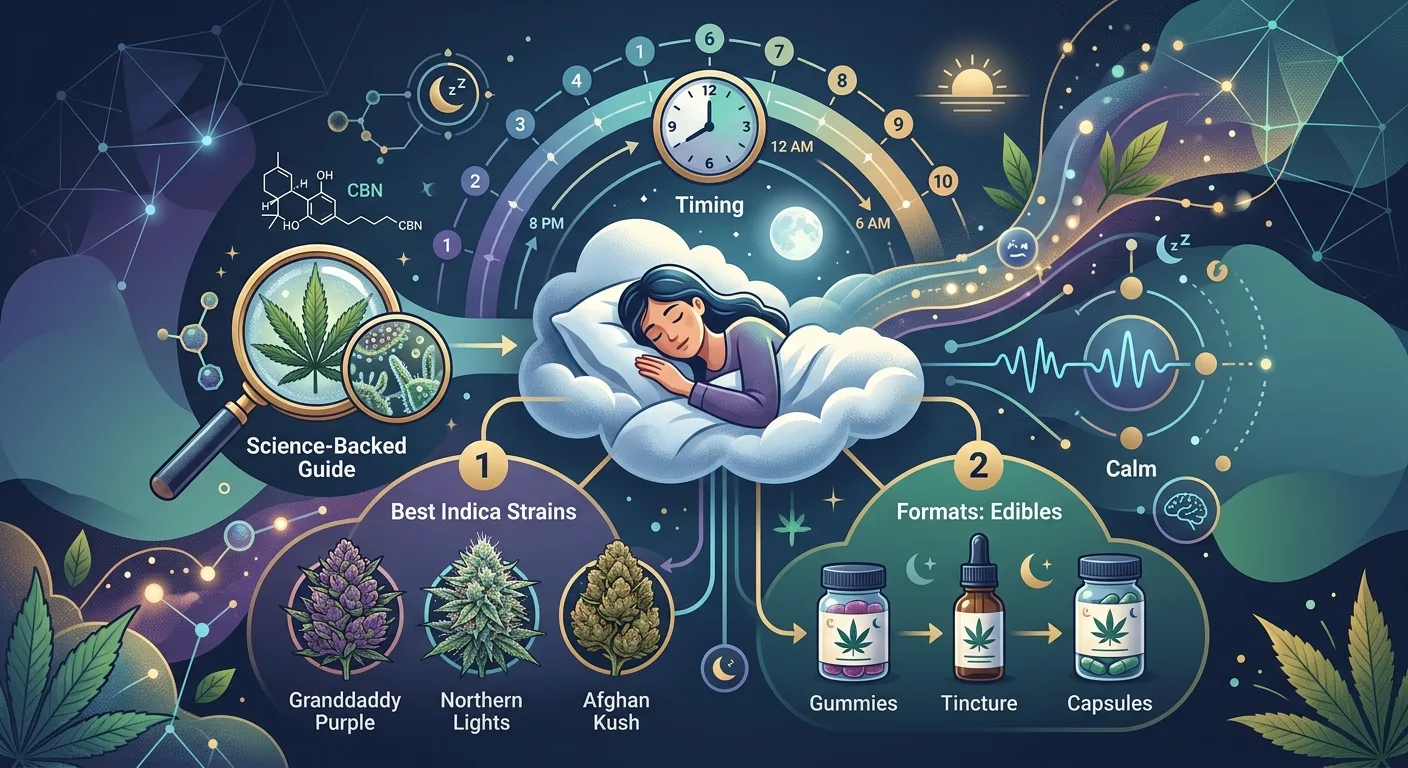
Traditionally described as producing relaxing, sedating, "body-high" effects, indica strains supposedly help with sleep, pain relief, and unwinding. The classic budtender phrase is "in-da-couch" as a memory device. Popular indica examples include Tom Ford Pink Kush and Granddaddy Purple. However, effects vary significantly based on individual body chemistry and specific terpene profiles, not just indica classification.
Sativa
Sativas are characterized as energizing, cerebral, creativity-boosting strains better suited for daytime use. They supposedly provide uplifting mental effects without heavy sedation. Green Crack and Durban Poison represent classic sativa genetics. Modern cannabis research suggests terpene content matters more than plant structure for predicting effects.
Hybrid
Hybrids blend indica and sativa genetics, described as "indica-dominant," "sativa-dominant," or "balanced" depending on the genetic ratio. Most cannabis available today is technically hybrid since pure landrace strains are rare. Girl Scout Cookies and Gelato exemplify popular balanced hybrids.
Landrace
Landrace strains are original, geographically isolated cannabis varieties that developed naturally without human crossbreeding. Afghan Kush, Durban Poison, and Acapulco Gold represent true landrace genetics from Afghanistan, South Africa, and Mexico respectively.
Phenotype (Pheno)
Different plants grown from the same seed batch can express varying characteristics. Each variation is a phenotype, explaining why the same strain name might look, smell, or affect you differently from different producers. "Pheno hunting" describes the process of growing multiple plants from one strain to find the best-expressing version.
Potency and Chemical Composition Terms
Understanding how budtenders describe cannabis potency helps you select products with appropriate strength for your tolerance and desired effects.
THC (Tetrahydrocannabinol)
The primary psychoactive compound in cannabis, THC percentage indicates potential intoxication level. Flower typically ranges from 15-30% THC, while concentrates reach 60-90%. Higher isn't always better,excessive THC can cause anxiety or paranoia in some users.
CBD (Cannabidiol)
The non-intoxicating cannabinoid known for potential therapeutic benefits without the high, CBD moderates THC's psychoactive effects. Products labelled "high CBD" typically contain CBD:THC ratios of 1:1 or higher. Pure CBD products contain less than 0.3% THC and won't get you high.
Cannabinoids
The family of chemical compounds found in cannabis that interact with your body's endocannabinoid system. Beyond THC and CBD, minor cannabinoids include CBG (cannabigerol), CBN (cannabinol, associated with sedation), and THCV (tetrahydrocannabivarin, which may suppress appetite).
Terpenes (Terps)
Aromatic compounds that give cannabis its smell and contribute significantly to effects through the "entourage effect." Common terpenes include myrcene (earthy, sedating), limonene (citrus, uplifting), pinene (pine, alertness), and caryophyllene (pepper, anti-inflammatory). Experienced consumers often prioritize terpene profiles over THC percentage when selecting strains.
Full Spectrum vs Broad Spectrum vs Isolate
These terms describe the cannabinoid content of extracts. Full spectrum contains all plant compounds including trace THC, broad spectrum removes THC while keeping other cannabinoids and terpenes, and isolate contains only a single purified cannabinoid like pure CBD or THC.
Cultivation and Processing Terms
How cannabis is grown and processed significantly impacts quality, potency, and flavour. These terms help you understand production methods when reading product descriptions.
Craft Cannabis (Small Batch, Boutique)
Cannabis grown by smaller producers focused on quality over quantity, typically with more hands-on cultivation practices. Craft flower often commands premium pricing but delivers superior terpene profiles and careful curing. Not all "craft" labels guarantee quality, but the term generally indicates smaller-scale production.
Curing
The controlled drying and ageing process after harvest that develops flavour, smoothness, and potency. Properly cured cannabis has a strong aroma, smooth smoke, and well-preserved terpenes. Rushed or poor curing results in harsh, hay-smelling weed that burns your throat.
Trimming: Machine Trim vs Hand Trim
After harvest, excess leaves are removed from buds through trimming. Hand-trimmed flower preserves trichomes and bud structure better but costs more due to labour intensity. Machine-trimmed flower is more affordable but can look over-manicured with damaged trichomes and reduced potency at the surface level.
Sugar Leaves (Trim)
Small leaves that grow close to the bud and are covered in trichomes. Quality flower should have most sugar leaves removed, though some craft producers leave minimal amounts to protect trichomes during handling. Excessive sugar leaf indicates lower-grade trim or untrimmed flower.
Popcorn Buds
Smaller buds from lower branches that didn't receive as much light during growth. They're chemically identical to larger "A-grade" buds from the same plant but sell at discount prices due to aesthetics and perceived quality differences.
Live Resin vs Cured Resin
Live resin is extracted from fresh-frozen cannabis immediately after harvest, preserving maximum terpene content for exceptional flavour. Cured resin uses traditionally dried and cured flower as starting material, resulting in different terpene profiles. Live resin typically costs more and is considered premium.
Flash Frozen
The process of freezing harvested cannabis immediately to preserve terpenes for live resin extraction. This prevents terpene degradation that occurs during traditional drying and curing.
Consumption Method Slang
How you consume cannabis dramatically affects onset time, duration, and experience intensity. Understanding these terms helps you choose appropriate consumption methods.
Smoking vs Vaping
Smoking involves combustion that produces smoke containing tar and carcinogens alongside cannabinoids. Vaping heats cannabis below combustion temperature to produce vapour with fewer harmful byproducts. Dry herb vapourizers use actual flower, while oil vapes use liquid concentrates.
Dabbing
Vapourizing concentrate by touching it to a heated surface (nail) attached to a specialized water pipe (dab rig). This method delivers extremely potent, fast-acting effects but requires specific equipment and technique. "Taking a dab" refers to a single dose of concentrate.
Hotboxing
Smoking cannabis in an enclosed space like a car or small room to intensify effects through repeated exposure to secondhand smoke. This practice is illegal in vehicles in Canada and not recommended due to safety and legal concerns.
Wake and Bake
Consuming cannabis first thing in the morning, typically associated with starting your day with sativa strains for energy and focus rather than indica strains that might increase drowsiness.
Toking, Puffing, Blazing
All slang terms for smoking cannabis. "Taking a toke" means taking a drag from a joint or pipe. "Blazing up" suggests smoking a significant amount, usually in a social setting.
Quality Assessment Terms
Budtenders and experienced consumers use specific language to evaluate cannabis quality. These terms help you identify premium product characteristics.
Trichomes (Crystals, Frost)
The tiny, mushroom-shaped glands covering quality cannabis that contain concentrated cannabinoids and terpenes. Visible trichomes that sparkle under light indicate high potency. "Frosty" describes flower heavily coated in trichomes.
Nose (Aroma)
The smell profile of cannabis, directly related to terpene content. A "good nose" means strong, pleasant, complex aroma. Common descriptors include earthy, citrus, pine, diesel, sweet, skunky, and fruity. Hay or grass smell indicates poor curing or degraded terpenes.
Bag Appeal
Visual attractiveness based on bud structure, colour, trichome coverage, and trim quality. High bag appeal doesn't guarantee quality effects, but it suggests careful cultivation and handling.
Sticky, Dank
"Sticky" describes the resinous, slightly tacky feel of fresh, trichome-rich cannabis. "Dank" originally meant pungent-smelling but has evolved to mean high-quality in general cannabis slang. Both terms indicate desirable product characteristics.
Harsh
Cannabis that irritates your throat and lungs when smoked, usually caused by improper curing, excessive moisture, chemical residues, or poor growing practices. Quality flower should smoke relatively smoothly.
Fluffy vs Dense
Bud structure descriptions. Dense buds are tightly packed and heavy for their size, typically associated with indica genetics. Fluffy buds are looser with more air space, common in sativa genetics. Neither is inherently better, though denser buds provide more product weight.
Shopping and Budtender Interaction Terms
When communicating with budtenders either in-person or through online ordering platforms, these terms help facilitate smooth transactions.
Daily Special, Deal of the Day
Rotating promotional pricing on specific products. Most dispensaries offer daily specials to move inventory and attract customers. Checking daily deals before ordering can yield significant savings.
Top Shelf, Bottom Shelf
Grading system borrowed from liquor stores. Top shelf indicates premium products with higher prices, superior quality, and careful production. Bottom shelf represents budget options with acceptable quality but lower bag appeal or less impressive genetics. Mid-shelf falls between both categories.
Sample (Tester)
Some dispensaries offer small quantities or single pre-rolls to test strains before committing to larger purchases. This helps consumers find products that work for their preferences without buying full quantities.
Strain Recommendation
When budtenders ask what you're looking for, describing desired effects works better than asking "what's strong?" Good budtenders match products to your goals (sleep, energy, pain relief, creativity) rather than just pushing highest-THC options.
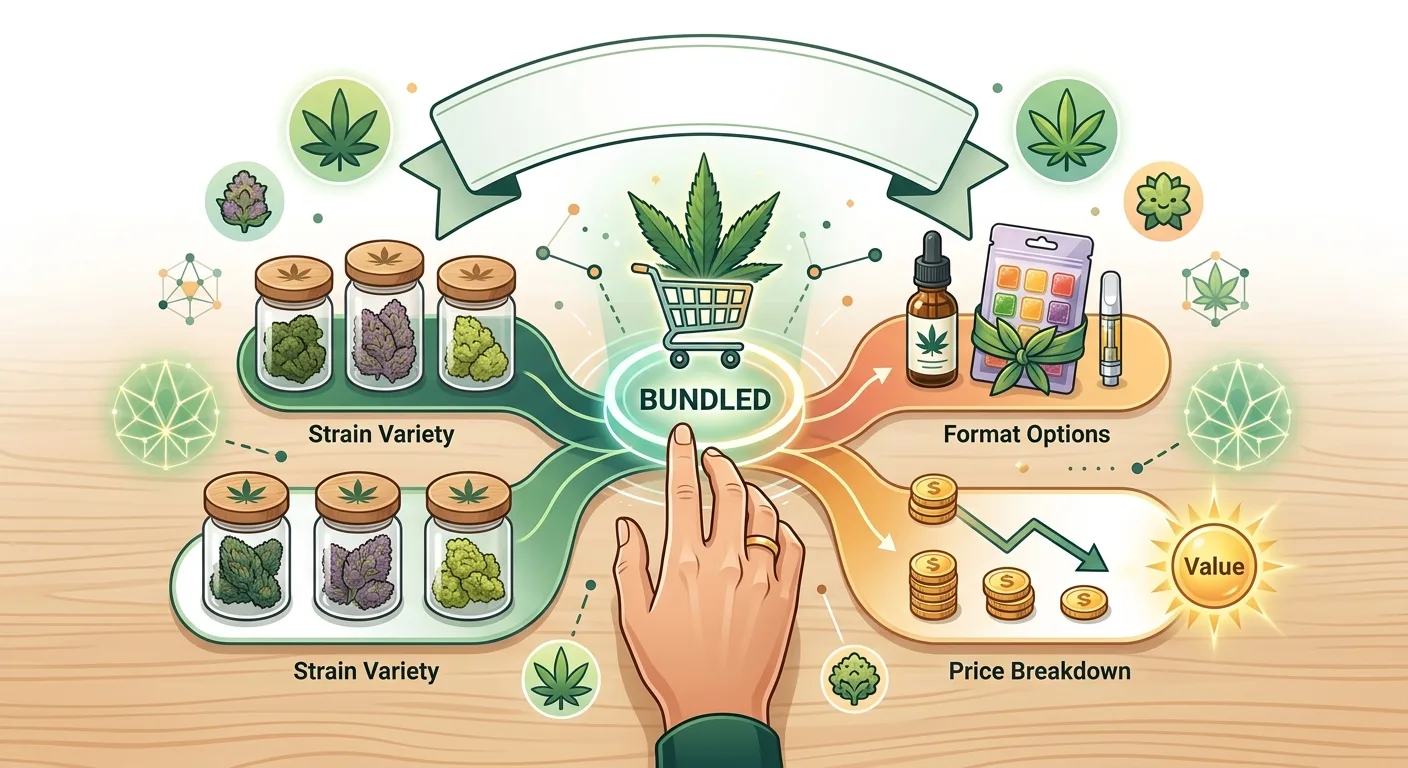
Bulk Deal, Ounce Special
Volume discounts for larger purchases, typically starting at quarter ounces and increasing savings at half and full ounces. These deals offer the best value for regular consumers.
Medical Cannabis Terminology
If you're exploring cannabis for therapeutic purposes, these medical-adjacent terms appear frequently in product descriptions and conversations.
Medical Grade
Despite common usage, "medical grade" has no official definition in Canada's cannabis market. Recreational and medical cannabis come from identical cultivation facilities. The term generally suggests higher quality standards, but all legal cannabis undergoes the same testing requirements.
Microdosing
Consuming very small amounts of THC (typically 2-5mg) to achieve subtle therapeutic benefits without significant intoxication. This approach helps with anxiety, focus, and minor pain while maintaining daily functionality.
Entourage Effect
The theory that cannabinoids and terpenes work synergistically, producing better results together than isolated compounds. This explains why full-spectrum products may feel more effective than pure THC isolates despite lower THC percentages.
Tolerance
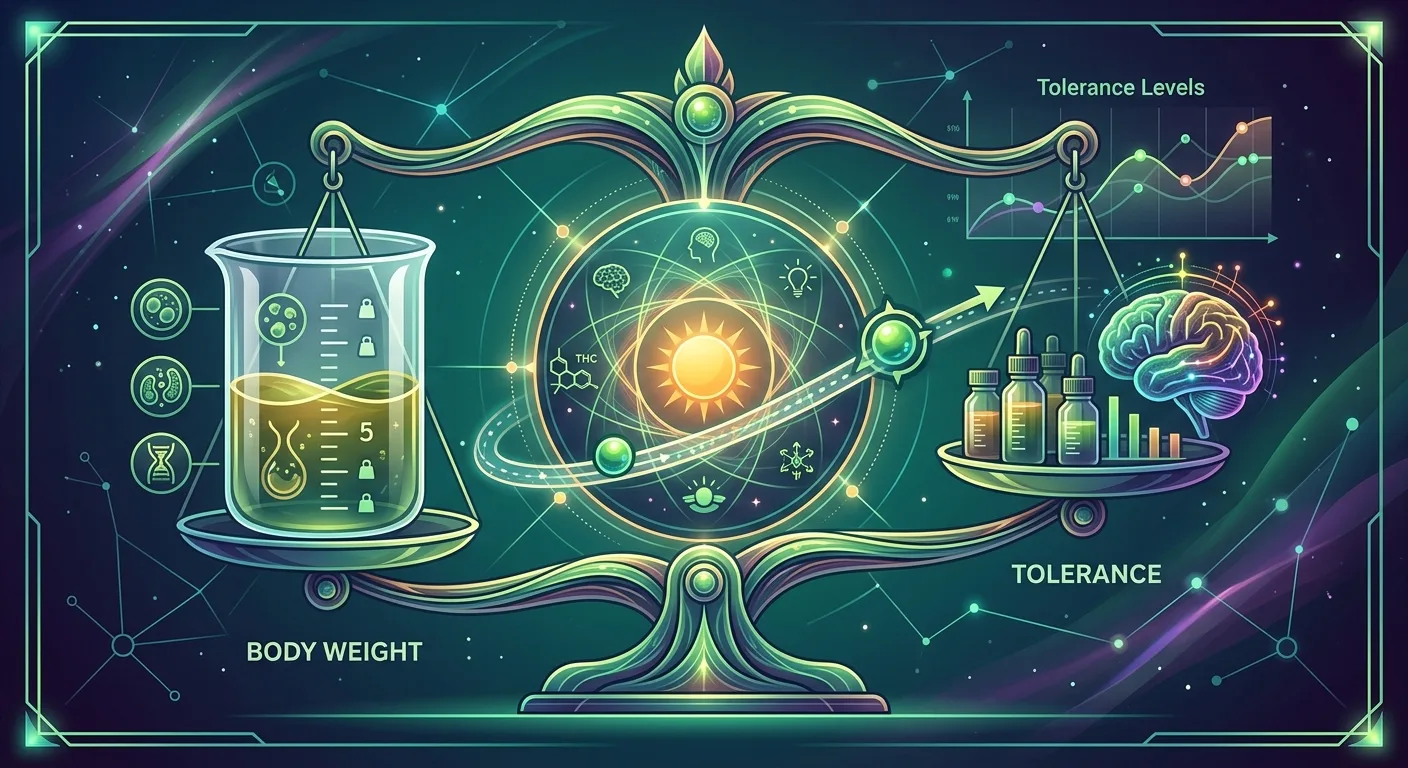
Your body's decreased response to cannabis after regular use, requiring higher doses to achieve the same effects. Taking tolerance breaks (stopping consumption for days or weeks) resets your endocannabinoid system.
Slang for Cannabis Flower
Beyond standard terminology, regional and generational slang terms persist in cannabis culture, though many are becoming outdated in legal markets.
Gas, Fire, Loud, Za: Contemporary slang for high-quality cannabis. "That's gas" means it's exceptional flower. "Fire" indicates strong potency. "Loud" describes intensely aromatic weed. "Za" is recent slang derived from "exotic."
Reggie, Schwag, Brick Weed, Mids: Terms for low-quality cannabis. Reggie (regular) and mids (mid-grade) are bottom-tier products. Schwag and brick weed refer to compressed, poorly-cured cannabis that was common in pre-legalization black markets but rarely appears in legal Canadian dispensaries.
Chronic, Kind Bud: Older slang from the 1990s-2000s for high-quality cannabis. These terms are less common in contemporary cannabis culture but still understood across generations.
Reefer, Ganja, Mary Jane, Pot: Classic cannabis nicknames with varying cultural origins. "Ganja" comes from Sanskrit via Jamaican culture, "marijuana" has complex origins in Mexican Spanish, and "reefer" dates to early 20th century America. "Cannabis" remains the proper botanical and legal term.
Frequently Asked Questions About Cannabis Terminology
420 has become synonymous with cannabis culture, originally referring to 4:20 PM as a time when a group of California high school students would meet to smoke in the 1970s. April 20th (4/20) is now recognized as an unofficial cannabis holiday in North America, with many dispensaries offering special promotions and events. The term has expanded beyond its origins to generally reference cannabis consumption and culture.
Yes, though they're related. Kief is the loose trichome crystals that fall off cannabis flower and collect in grinder chambers. It's a powder-like substance with high THC concentration. Hash is created by compressing kief under heat and pressure, forming it into solid bricks or balls. Hash represents a more refined, concentrated form that's easier to handle and store than loose kief powder. Both are traditional concentrates with centuries of history.
Couchlock describes the heavy physical sedation that makes it difficult or undesirable to move from your seated or lying position. It's typically associated with high-THC indica strains or consuming cannabis in large quantities. The sensation feels like being pleasantly glued to the couch, with reduced motivation for physical activity. While some consumers seek couchlock for sleep or deep relaxation, others find it unpleasant, making strain selection based on desired effects important.
The A-grade system (A, AA, AAA, AAAA or 'quad') is an informal quality classification used by some Canadian dispensaries and mail-order services. AAAA represents the highest tier with exceptional bag appeal, terpene profiles, and potency. AAA is high-quality flower suitable for most experienced consumers. AA represents mid-grade product, and A indicates budget or shake-quality cannabis. This system isn't standardized across the industry, so one dispensary's AAA might differ from another's, but it provides general guidance on quality tiers and pricing.
Shake consists of small pieces and broken-off flower fragments that accumulate at the bottom of containers during handling and packaging. It's essentially the same product as whole buds but in smaller pieces, making it perfect for rolling joints or filling pipes at discount prices. Trim refers to sugar leaves removed during the manicuring process, which contain fewer trichomes than buds. While trim can be used for making edibles or extracts, it's generally lower quality than shake for smoking. Quality shake offers excellent value, while trim is typically best avoided for direct consumption.
Pressing rosin refers to extracting concentrate by applying heat and pressure to cannabis flower or kief using a rosin press. This solventless extraction method produces a clean, potent concentrate without chemical solvents like butane or propane. Many home consumers press small amounts using hair straighteners, though commercial rosin presses yield better results. Rosin is considered premium concentrate because it preserves terpenes well and avoids any potential solvent residue, though it typically costs more than BHO or other extract types.