You've probably heard budtenders throw around the word "terpenes" like it's the secret password to unlocking the perfect high. Maybe you've seen terpene percentages listed on product labels, or noticed how some strains smell like fresh pine while others reek of diesel fuel. But what exactly are terpenes, and why should you care about them when choosing cannabis?
Here's the simple truth: terpenes are the aromatic compounds that give cannabis its distinctive smell and flavour. They're the reason Girl Scout Cookies smells like sweet earth and mint, while Lemon Haze hits your nose with sharp citrus. But terpenes do far more than just make your weed smell good. These volatile organic compounds work alongside cannabinoids like THC and CBD to shape your entire cannabis experience, influencing everything from the intensity of your high to how relaxed or energized you feel afterward.
If you're serious about finding strains that deliver exactly the effects you want, understanding terpenes is non-negotiable. This guide breaks down the science without the jargon, anchoring each major terpene to a smell you already know from everyday life. By the end, you'll know exactly what to look for on those lab reports and why "indica versus sativa" tells you far less than the terpene profile does.
Terpenes 101: The Aromatic Molecules Behind Cannabis Flavour
Terpenes are organic compounds produced by a wide variety of plants, not just cannabis. When you smell fresh lavender, bite into a ripe mango, or walk through a pine forest, you're experiencing terpenes in action. These molecules evolved as a defence mechanism, helping plants repel pests and attract pollinators. In cannabis, terpenes are synthesized in the same glandular trichomes that produce cannabinoids, creating that sticky, aromatic resin you see coating premium flower.
What makes terpenes fascinating is their diversity. Scientists have identified over 200 different terpenes in cannabis plants, though only about 20 appear in concentrations high enough to significantly impact your experience. Each strain develops a unique terpene profile based on genetics, growing conditions, and harvest timing. A plant grown indoors under LED lights will produce different terpene ratios than the same genetics grown outdoors in natural sunlight.
Here's where it gets interesting: terpenes aren't just passive aromatic compounds. Research suggests they interact with cannabinoids in what scientists call the "entourage effect," potentially modulating how THC and CBD affect your body. A strain with high levels of the terpene myrcene might produce a more sedating effect, while one rich in limonene could feel more uplifting, even at identical THC percentages. This is why two strains testing at 20% THC can feel completely different when you consume them.
The terpene profile also explains why fresh cannabis hits differently than old, dried-out flower. Terpenes are volatile, meaning they evaporate easily when exposed to heat, light, and air. That's why proper storage in airtight containers away from direct sunlight matters so much. When terpenes degrade, you lose not just aroma and flavour but also the nuanced effects that make each strain unique. Understanding terpenes helps explain why quality cannabis dispensaries invest heavily in proper curing and storage protocols.
How Terpenes Differ from Cannabinoids
While cannabinoids like THC and CBD bind directly to receptors in your endocannabinoid system, terpenes work through different mechanisms. They don't produce intoxication on their own, but they influence how your body processes cannabinoids. Think of cannabinoids as the engine and terpenes as the steering wheel, directing where that engine takes you. A high-THC strain rich in the sedating terpene linalool will feel markedly different from one dominated by energizing pinene, even if the THC content is identical.
The Big Six: Essential Terpenes Every Cannabis Consumer Should Know
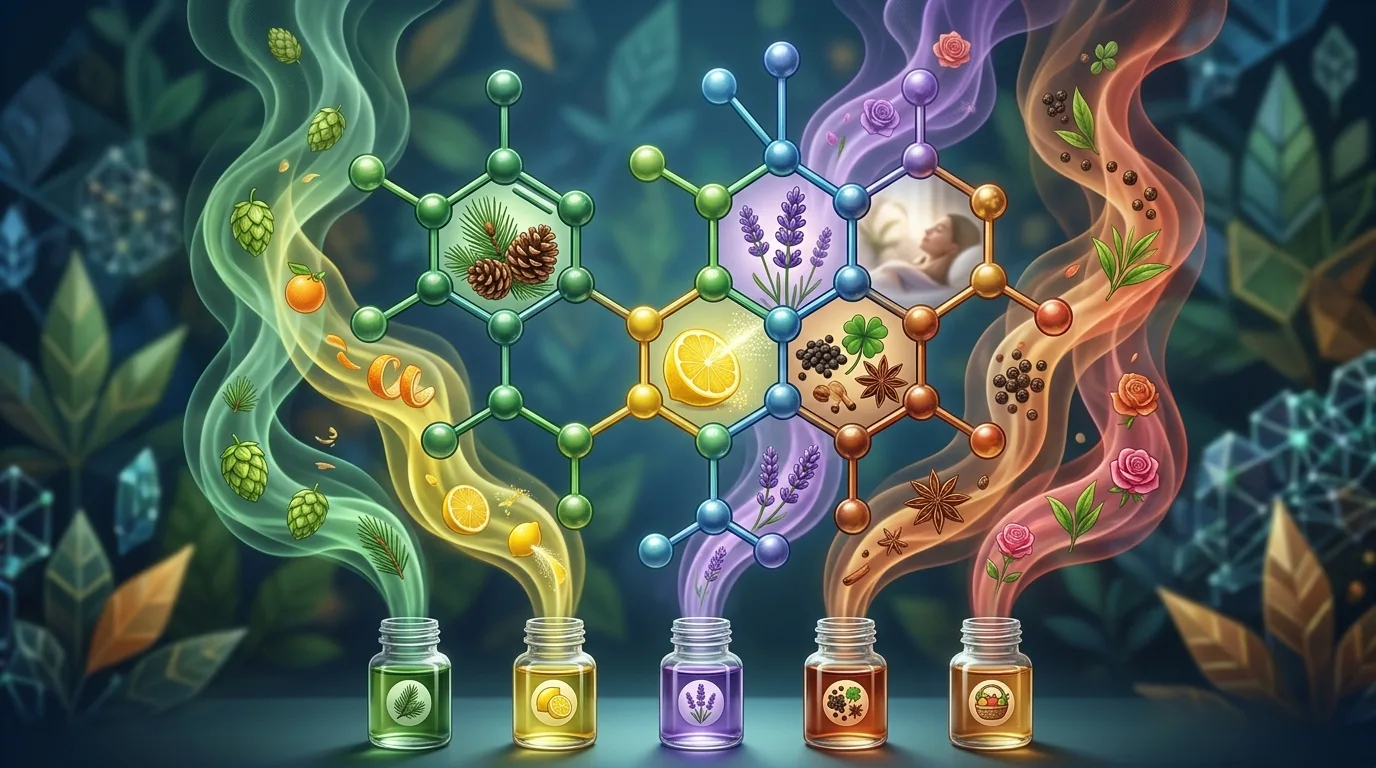
While cannabis contains dozens of terpenes, six stand out for their prevalence and impact. These are the compounds you'll encounter most often when reading lab reports or listening to strain descriptions. We'll anchor each one to a familiar smell so you can start recognizing them in your favourite products.
Myrcene: Earthy Musk and Deep Relaxation
Smell it in: Hops, mangoes, lemongrass, thyme
Common effects: Sedating, muscle-relaxing, sleep-promoting
Myrcene is the most abundant terpene in modern cannabis, especially in indica-dominant strains. It smells earthy, musky, and slightly metallic, with herbal undertones. If a strain description mentions "couch-lock," there's a good chance myrcene is the culprit. This terpene is believed to enhance the permeability of cell membranes, potentially allowing cannabinoids to take effect more quickly and intensely.
Strains high in myrcene tend to produce heavy, sedating effects perfect for evening use. You'll find elevated myrcene levels in classic indicas and many Kush varieties. If you're looking for something to help you unwind after a long day or improve sleep quality, prioritize strains where myrcene dominates the terpene profile. Many consumers report that myrcene-rich cannabis also provides more pronounced pain relief compared to strains with lower concentrations.
Limonene: Citrus Brightness and Mood Elevation
Smell it in: Lemons, oranges, grapefruits, juniper
Common effects: Uplifting, stress-relieving, mood-enhancing
Crack open a lemon peel and you're smelling pure limonene. This terpene gives cannabis a bright, citrusy aroma with clean, refreshing notes. Beyond its pleasant scent, limonene is associated with elevated mood, reduced anxiety, and increased mental focus. It's the terpene you want when you need to stay productive while medicated.
Strains rich in limonene often feel energizing and clear-headed, making them popular for daytime use. You'll commonly find high limonene content in sativa-leaning varieties and haze genetics. The terpene is also being studied for its potential anti-inflammatory and even anti-cancer properties, though more research is needed. When browsing British Columbia cannabis options, look for strains like Lemon Haze or Super Lemon OG if you want that signature limonene experience.
Caryophyllene: Peppery Spice with Pain-Fighting Potential
Smell it in: Black pepper, cloves, cinnamon, basil
Common effects: Anti-inflammatory, pain relief, stress reduction
Caryophyllene is unique among terpenes because it also acts as a cannabinoid, directly binding to CB2 receptors in your endocannabinoid system. It smells peppery and spicy, with woody, herbal undertones. This dual action makes caryophyllene particularly interesting for therapeutic applications, especially inflammation and chronic pain management.
Strains high in caryophyllene often have a pungent, spicy aroma that can be polarizing. Some people love the bold, savoury character it brings, while others find it too intense. You'll find elevated caryophyllene in many OG Kush phenotypes and Cookies family strains. This terpene is also being researched for its potential to reduce alcohol consumption and support addiction recovery, making it relevant beyond recreational use.
Pinene: Fresh Pine and Mental Clarity
Smell it in: Pine needles, rosemary, basil, parsley
Common effects: Alertness, memory retention, respiratory benefits
Step into a pine forest and you're surrounded by pinene, the terpene that gives conifers their characteristic scent. In cannabis, pinene appears in two forms (alpha and beta), both contributing sharp, fresh, forest-like aromas. This terpene is associated with increased alertness and may help counteract some of the short-term memory impairment associated with THC consumption.
Pinene-dominant strains often feel clear-headed and focusing, without the heavy mental fog some cannabis produces. It's an excellent choice for creative work or outdoor activities where you want to stay sharp and present. Strains like Jack Herer and Blue Dream typically feature notable pinene content. Some research also suggests pinene acts as a bronchodilator, potentially making it easier to breathe, which is ironic given that smoking anything technically irritates the lungs.
Linalool: Floral Lavender and Anxiety Relief
Smell it in: Lavender, mint, coriander, birch bark
Common effects: Calming, anti-anxiety, sleep-inducing
If you've ever used lavender essential oil to relax, you've experienced linalool. This terpene brings sweet, floral notes to cannabis with subtle spicy undertones. It's prized for its calming effects and is often recommended for consumers dealing with anxiety, stress, or insomnia. Linalool is also being studied for its potential neuroprotective properties and ability to reduce the psychoactive intensity of THC.
Strains rich in linalool tend to produce gentle, soothing effects without overwhelming sedation. Unlike myrcene's heavy body load, linalool offers a more balanced relaxation that calms the mind while keeping you functional. Purple strains and Kush varieties often feature elevated linalool levels. If you're sensitive to THC-induced anxiety, seeking out linalool-rich strains might help smooth out the experience and reduce racing thoughts.
Humulene: Earthy Hops and Appetite Suppression
Smell it in: Hops, sage, ginseng, tobacco
Common effects: Anti-inflammatory, appetite suppressant, antibacterial
Humulene shares its name with the genus Humulus, which includes hops used in beer brewing. It contributes earthy, woody, and subtly spicy aromas to cannabis. What makes humulene particularly interesting is its reputation as an appetite suppressant, contrary to cannabis's typical hunger-inducing effects. This makes humulene-rich strains potentially useful for consumers who want the therapeutic benefits of cannabis without the munchies.
Beyond appetite control, humulene shows promise for its anti-inflammatory properties and potential to fight bacterial infections. You'll find significant humulene concentrations in many original haze genetics and some indica varieties. When combined with caryophyllene, humulene seems to amplify anti-inflammatory effects, showcasing how terpenes can work synergistically. Understanding what terpenes like humulene bring to the table helps explain why indica versus sativa classifications oversimplify the cannabis experience.
How Terpenes Shape Your High: The Entourage Effect Explained
The entourage effect is one of the most important concepts in modern cannabis science, yet it's also one of the most misunderstood. The basic idea is simple: cannabis compounds work better together than in isolation. THC by itself produces a certain effect, but when combined with specific terpenes and minor cannabinoids, the experience changes in meaningful ways.
Research published in the British Journal of Pharmacology found that terpenes can modulate cannabinoid activity through multiple mechanisms. Some terpenes affect how quickly cannabinoids cross the blood-brain barrier. Others influence neurotransmitter activity, either enhancing or dampening certain effects. Myrcene, for example, appears to increase the maximum saturation level of CB1 receptors, potentially explaining why myrcene-rich strains feel more potent even at identical THC percentages.
This is why chasing THC percentage alone is a rookie mistake. A 15% THC strain with a rich terpene profile will often deliver a more satisfying experience than a 25% THC product that's been poorly stored and lost its terpenes. When terpenes evaporate or degrade, you're left with a one-dimensional high that lacks the depth and character of fresh, terpene-rich cannabis.
The entourage effect also helps explain individual variation in cannabis response. Two people consuming the same strain might have different experiences based on their unique endocannabinoid systems and how their bodies metabolize specific terpenes. Your friend might find a limonene-heavy strain energizing while you feel anxious and overstimulated. There's no universal "best" terpene profile, only what works for your individual biochemistry and desired outcomes.
Smart consumers pay attention to which terpene profiles consistently deliver the effects they're seeking. Keep notes on strains you love, then check their lab reports to identify common terpene patterns. Over time, you'll develop a personalized terpene preference map that guides your purchasing decisions far more effectively than generic indica or sativa labels ever could. This approach aligns with how serious cannabis enthusiasts shop at Alberta cannabis dispensaries and other quality-focused retailers.
Reading Terpene Reports: What the Numbers Actually Mean
When you see a lab report listing terpene percentages, those numbers represent the concentration of each terpene by weight. A strain showing 1.2% myrcene contains 12 milligrams of myrcene per gram of cannabis. While this might seem like a small amount, remember that terpenes are potent aromatic compounds. Even fractions of a percent can significantly impact smell, taste, and effects.
Generally, terpene concentrations above 0.5% are considered high enough to influence your experience. Anything above 1% is notable, and levels above 2% for a single terpene are exceptional. The total terpene percentage is also meaningful. Premium cannabis typically tests between 2-3% total terpenes, while exceptional crops can reach 4% or higher. Low-quality or improperly stored cannabis might test below 1% total terpenes, indicating degraded, less aromatic flower.
Common Terpene Combinations and Their Effects
Terpenes rarely work in isolation. Most strains feature a dominant terpene backed by several supporting players, creating complex aromatic and effect profiles. Here are some common combinations you'll encounter:
Myrcene + Caryophyllene + Humulene: The classic indica combination found in OG Kush and related genetics. Expect heavy relaxation, pain relief, and sedation. This profile works beautifully for evening use and sleep support.
Limonene + Pinene + Caryophyllene: A balanced, versatile profile that provides mental clarity with moderate relaxation. Common in hybrid strains, this combination works well for daytime use when you need to stay functional but take the edge off stress.
Pinene + Terpinolene + Ocimene: The energizing sativa profile. These terpenes together create uplifting, cerebral effects with minimal body heaviness. Expect creativity, focus, and social energy.
Linalool + Myrcene + Caryophyllene: The anxiety-killer combination. This terpene trinity provides calming effects without excessive sedation, making it ideal for managing stress and panic while maintaining functionality.
Understanding these patterns helps you predict how a new strain might affect you based on its terpene report, even if you've never tried that specific variety before. This knowledge transforms cannabis shopping from guesswork into an informed selection process.
Preserving Terpenes: Storage and Consumption Methods That Matter
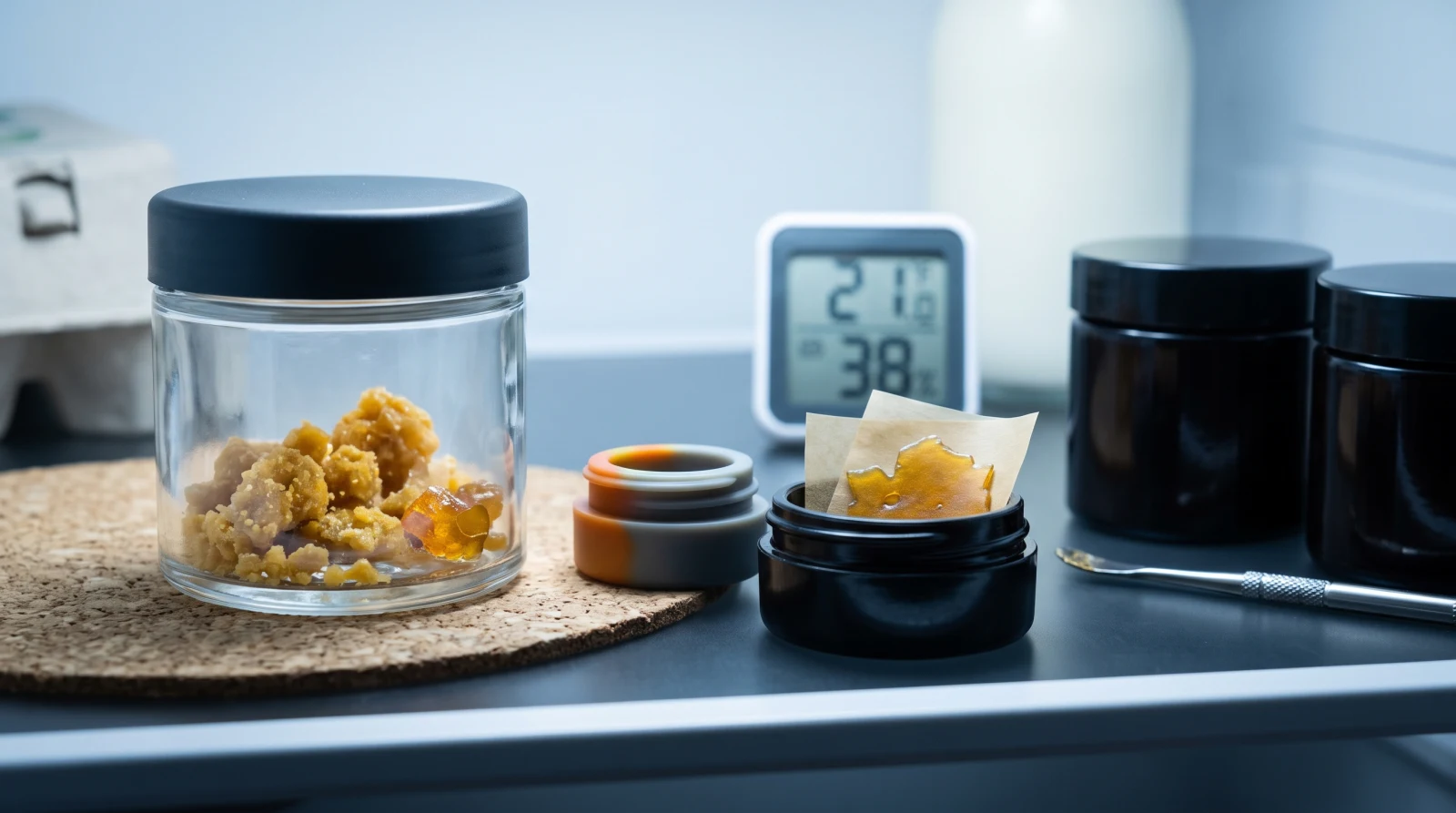
Terpenes are fragile. They begin degrading the moment cannabis is harvested, with the degradation accelerating under poor storage conditions. Heat, light, and oxygen are the primary enemies. This is why premium cannabis comes in opaque, airtight containers and why knowledgeable consumers transfer their flower to glass jars with humidity packs as soon as they get home.
Temperature control is critical. Terpenes begin evaporating rapidly above 70°F (21°C). Store your cannabis in a cool, dark place like a drawer or cabinet, never near heat sources or in direct sunlight. Humidity should be maintained between 55-62% to preserve terpenes while preventing mold growth. Too dry and terpenes evaporate; too humid and you risk contamination.
Your consumption method also impacts terpene experience. Smoking at high temperatures can destroy delicate terpenes before they reach your lungs. Vapourization at lower temperatures (315-400°F / 157-204°C) preserves more terpenes and delivers a fuller flavour profile. Different terpenes vapourize at different temperatures, which is why variable-temperature vapourizers allow you to customize your experience.
If you're using concentrates, the same principles apply. Low-temperature dabbing preserves terpenes and flavour, while torching your banger red-hot destroys these delicate compounds. Many concentrate manufacturers now add terpenes back into their products after extraction, either using cannabis-derived terpenes (CDT) or botanical terpenes from other plants. Cannabis-derived terpenes are generally considered superior for maintaining strain-specific character.
Why Fresh Cannabis Matters More Than You Think
The cannabis industry has a dirty secret: much of what reaches consumers has been sitting in storage for months, slowly losing terpenes and potency. Fresh cannabis, harvested and cured within the past few months, delivers a dramatically different experience than year-old flower, even if the THC percentage remains relatively stable. Terpenes are the first casualties of time.
When shopping, ask about harvest dates. Quality retailers track this information and rotate stock to ensure freshness. If you notice that a strain's aroma is faint or that it produces harsh, flavourless smoke, terpene degradation is likely the culprit. This is one reason why buying from reliable mail order services with proper storage and quick turnover matters more than finding the highest THC number on a menu.
Beyond Cannabis: Terpenes in Everyday Life
Once you start paying attention to terpenes, you'll notice them everywhere. That morning cup of coffee contains dozens of terpene compounds contributing to its aroma and flavour. The black pepper you grind onto your pasta is rich in caryophyllene. The lemon zest in your salad dressing is pure limonene. Essential oils, perfumes, cleaning products, and even insect repellents all rely on terpenes for their characteristic scents and properties.
The food and beverage industry has been leveraging terpenes for flavour and aroma long before cannabis consumers started caring about them. Beer brewers carefully select hop varieties based on their terpene profiles. Winemakers discuss terroir and terpene expression in grapes. Perfumers create complex fragrances by combining terpenes from dozens of botanical sources. Cannabis culture is simply catching up to what other industries have known for centuries: these aromatic compounds matter tremendously.
Some cannabis enthusiasts even experiment with terpene enhancement through diet. Eating mangoes (high in myrcene) before consuming cannabis is a popular strategy for intensifying effects, though scientific evidence remains limited. Similarly, consuming black pepper (caryophyllene) is sometimes recommended to reduce THC-induced anxiety, based on anecdotal reports and the terpene's calming properties. While these folk remedies may not work for everyone, they highlight the growing awareness of how terpenes influence our experiences.
The Future of Terpene-Focused Cannabis
As cannabis consumers become more sophisticated, the market is shifting from THC-focused products to terpene-driven selections. Forward-thinking cultivators now breed for specific terpene profiles rather than just cannabinoid content. Some growers use environmental stressors to boost terpene production, while others experiment with harvest timing to capture peak terpene expression.
The concentrate market is leading this revolution. Live resin, fresh frozen extracts, and terpene-sauce products all prioritize preserving or enhancing terpene content. Some manufacturers even create custom terpene blends designed to replicate specific strain profiles or achieve targeted effects. As extraction technology improves, we'll see increasingly sophisticated products that deliver precise terpene ratios for predictable experiences.
Cannabis tourism is also embracing terpenes. Dispensaries now offer terpene education sessions and guided tastings where consumers smell and compare different profiles. Some retailers organize their menus by dominant terpene rather than indica/sativa categories, acknowledging that terpene profile predicts effects more accurately than subspecies classification. This shift represents a maturation of cannabis culture from prohibition-era simplicity to sophisticated botanical appreciation.
Research into therapeutic applications of specific terpenes continues expanding. Clinical trials are investigating whether targeted terpene supplementation can enhance medical cannabis efficacy for conditions like chronic pain, anxiety disorders, and inflammation. As the evidence base grows, we may see medical cannabis prescriptions that specify not just THC and CBD ratios but also required terpene profiles for optimal therapeutic outcomes.
Frequently Asked Questions About Cannabis Terpenes
No, terpenes themselves do not produce intoxication or a traditional cannabis high. They modulate and enhance the effects of cannabinoids like THC, but they won't make you feel high on their own. However, terpenes do have their own subtle effects on mood and physiology, which is why aromatherapy using terpene-rich essential oils can influence how you feel.
Terpenes are volatile organic compounds that evaporate when exposed to air, heat, and light. If your cannabis is losing smell, it means terpenes are degrading, likely due to improper storage conditions. Store cannabis in airtight glass containers with humidity control at 55-62% in a cool, dark place to preserve terpenes. Once terpenes are lost, they cannot be restored.
Cannabis-derived terpenes (CDT) generally provide more authentic strain-specific character because they come from the same plant and include minor terpenes not commonly found in botanical sources. However, high-quality botanical terpenes from other plants can still deliver excellent flavour and effects. The main difference is authenticity and completeness of the terpene profile rather than inherent superiority.
Traditional indica and sativa classifications don't reliably predict terpene profiles. While some patterns exist (myrcene-heavy in many indicas, for example), modern hybridization has blurred these lines completely. Two indica-dominant strains can have wildly different terpene profiles and effects. This is why lab-tested terpene reports provide far more useful information than subspecies labels when predicting how a strain will affect you.
Certain terpenes like linalool and caryophyllene are associated with anti-anxiety effects and may help modulate THC's psychoactive impact. Some consumers report that smelling or consuming black pepper (high in caryophyllene) helps reduce cannabis-induced anxiety. However, the best strategy is preventing overconsumption by starting with lower doses, especially with high-THC products. If you're prone to anxiety, seek strains with balanced THC levels and calming terpene profiles.