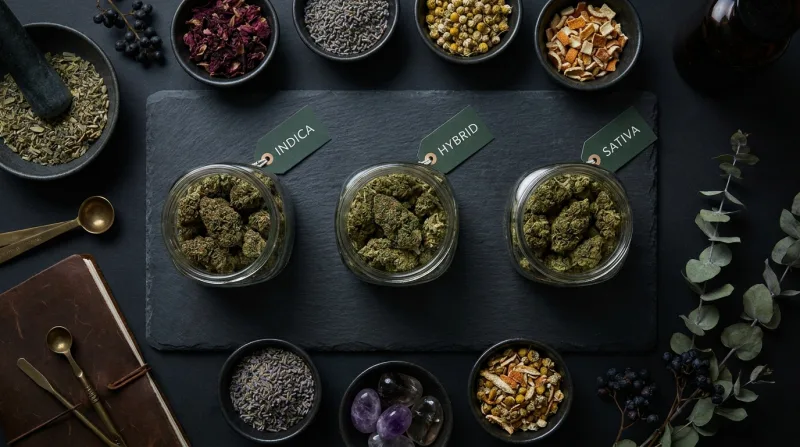
For decades, cannabis consumers have been told a simple story: indica strains make you sleepy and relaxed, sativas energize and inspire creativity, and hybrids fall somewhere in between. But if you've ever smoked an indica that left you wired or a sativa that knocked you out, you've experienced firsthand that the reality is far more complex. Modern cannabis science reveals that the whole indica-sativa-hybrid framework might be missing the bigger picture of what actually determines your high.
Understanding what truly influences cannabis effects can transform you from someone who buys based on labels to someone who selects strains based on chemistry. Let's break down the science behind the buzz and explore what really matters when choosing your next flower.
The Traditional Classification System: Where It Came From
The indica versus sativa distinction originally described physical plant characteristics, not effects. Cannabis indica plants are short, bushy, and adapted to harsh mountain climates like the Hindu Kush region. Cannabis sativa plants grow tall and lanky, thriving in equatorial regions with long growing seasons. These botanical differences were noted by 18th-century taxonomists who had no idea people would one day use these categories to predict psychoactive effects.
The modern consumer interpretation developed through decades of anecdotal reports and marketing. Dispensaries and dealers began associating indicas with "couch-lock" body highs and sativas with cerebral, energetic effects. Hybrids were positioned as customizable blends offering the best of both worlds.
Most cannabis sold today is technically hybrid at the genetic level. Pure landrace indica or sativa strains are increasingly rare in commercial markets.
While these generalizations aren't entirely baseless, they're dramatically oversimplified. A strain like Pink Death Star might be classified as indica and deliver the expected relaxing effects for most users, but individual experiences can vary significantly based on factors the indica-sativa label completely ignores.
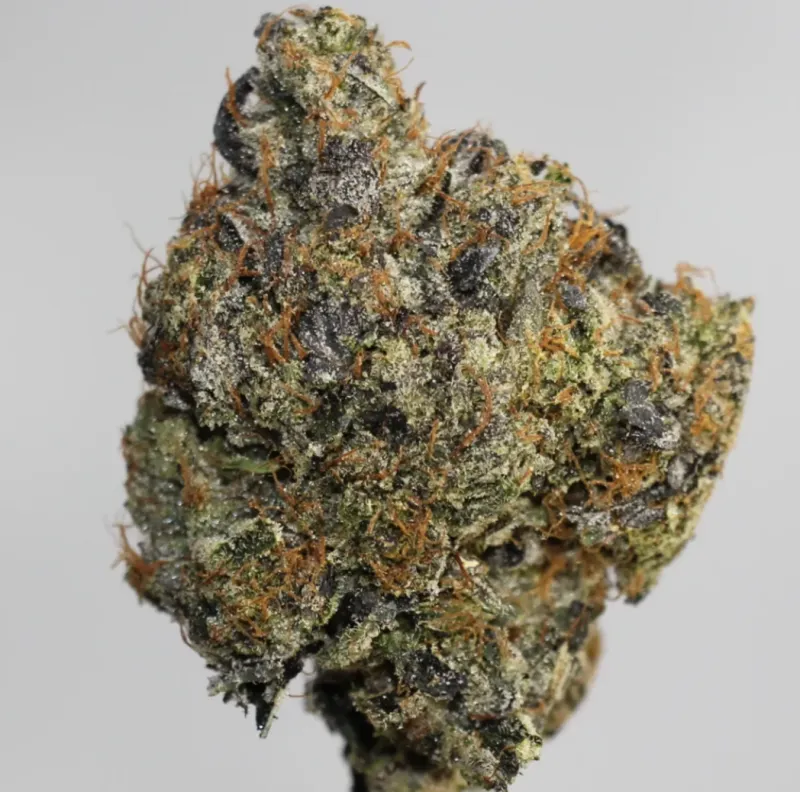
Pink Death Star
43.20% THC compressed indica flower with pink-frosted buds and forceful spicy diesel, e...
What Actually Determines Your High: The Entourage Effect
The real magic happens through something called the entourage effect, where cannabinoids, terpenes, and other compounds work synergistically to create specific effects. THC percentage alone doesn't tell the whole story. A 15% THC strain rich in myrcene and linalool might feel more sedating than a 25% THC strain dominated by pinene and limonene.
Terpenes are aromatic compounds that give cannabis its distinctive smells, from the citrus punch of limonene to the earthy musk of myrcene. But they do far more than create fragrance. Research suggests terpenes directly influence how cannabinoids interact with your endocannabinoid system, modulating effects in profound ways.
Consider myrcene, the most common terpene in cannabis. It's associated with sedative, muscle-relaxing effects regardless of whether it appears in an "indica" or "sativa" strain. Limonene tends to elevate mood and reduce anxiety. Pinene may promote alertness and memory retention. The terpene profile matters as much, if not more, than the indica-sativa classification.
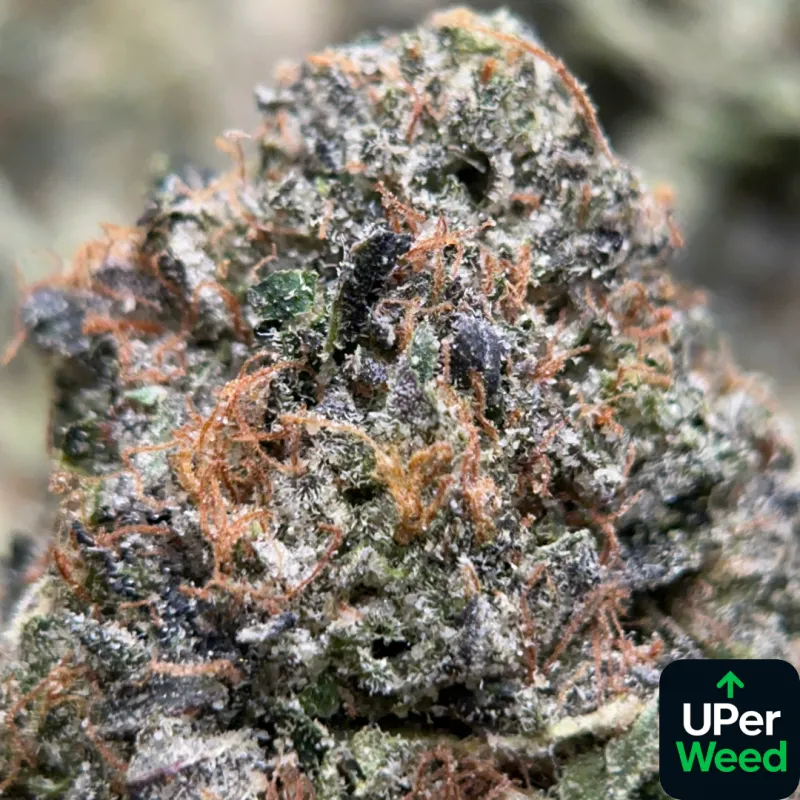
King Louis XIII
Very potent OG-style indica with bold pine, pungent diesel, earthy Kush spice and a ric...
Strains like King Louis XIII deliver powerful indica-typical relaxation not just because of plant morphology, but because of its chemical fingerprint: high THC combined with sedating terpenes like myrcene and caryophyllene.
Why the Same Strain Affects People Differently
Your endocannabinoid system is as unique as your fingerprint. This internal regulatory network features cannabinoid receptors distributed throughout your brain and body, and their density and sensitivity vary from person to person. What feels like energizing focus to one consumer might feel like mild anxiety to another, even from the identical flower.
Tolerance, metabolism, body chemistry, recent meals, hydration levels, and even your mindset going into the experience all influence how you respond to cannabis. This explains why your friend swears by a strain that does nothing for you, or why that sativa you loved last month suddenly makes you sleepy.
Environmental factors matter too. Consuming cannabis in a relaxing setting naturally promotes relaxation, while social environments might amplify energizing effects. The time of day, your stress levels, and even the people you're with all contribute to the overall experience.
How to Actually Choose Strains That Work for You
Instead of relying solely on indica-sativa classifications, develop a more nuanced selection strategy. Start by paying attention to terpene profiles when available. If you find a strain you love, note its dominant terpenes and look for similar profiles in other varieties.
For relaxation and sleep, seek out strains high in myrcene, linalool, and caryophyllene. These terpenes appear frequently in traditional "indica" strains but can show up anywhere. Products like Death Bubba exemplify this sedating chemical profile perfectly.
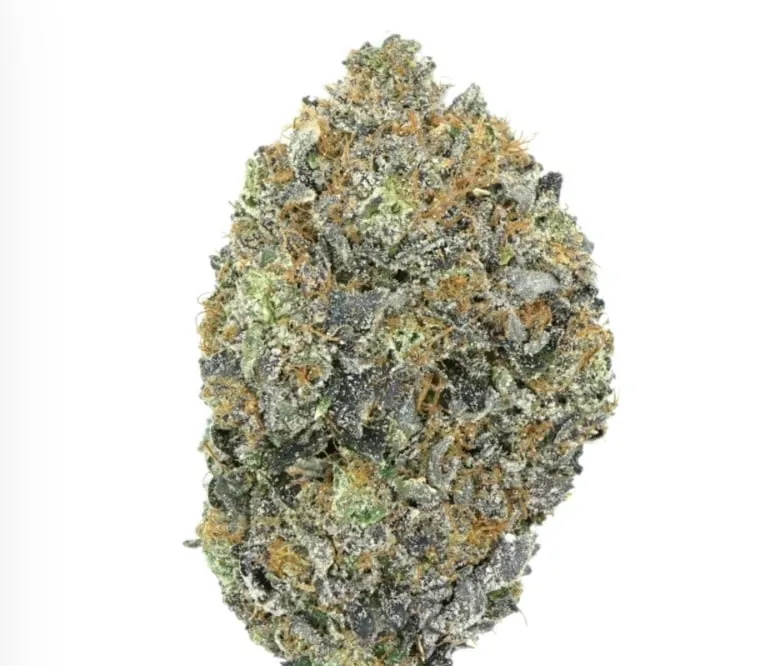
Death Bubba
Death Bubba is a high-potency indica flower from Sea to Sky Cannabis, lab-tested and av...
For daytime energy and focus, look for pinene, limonene, and terpinolene. Strains rich in these compounds tend to produce clearer, more alert effects. Green Crack demonstrates how a sativa-leaning terpene profile creates energizing experiences.
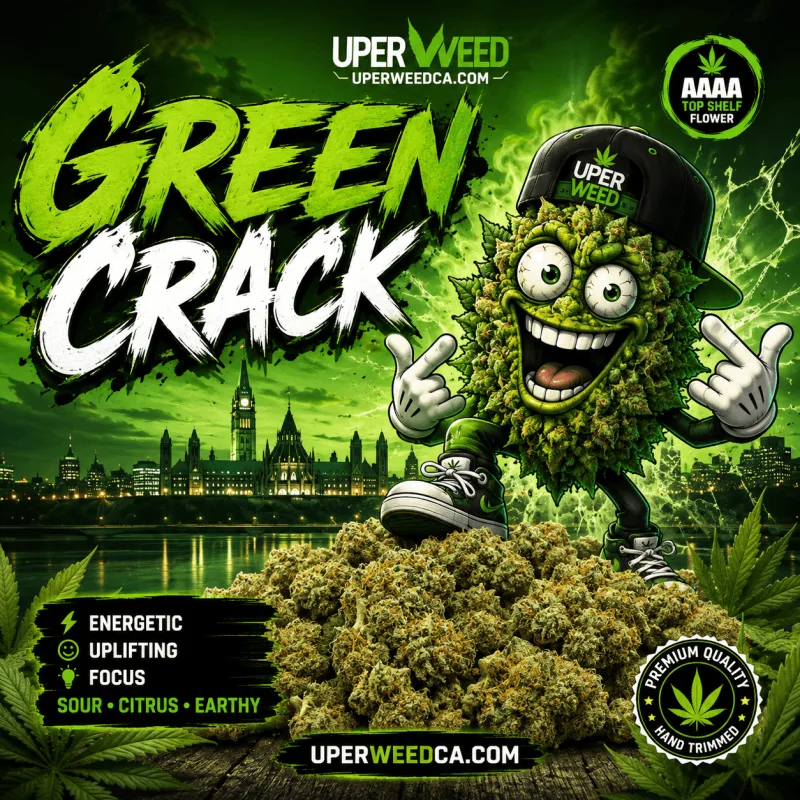
Green Crack
Tropical 32.00% THC sativa with ripe mango, sharp citrus and subtle earthy notes for ex...
For balanced, versatile effects suitable for various situations, hybrids like Do-Si-Dos offer middle-ground chemistry that many consumers find approachable and functional.

Do-Si-Dos
Girl Scout Cookies and Face Off OG indica with 31.97% THC, minty cookie, lime, pine and...
Regardless of strain classification, always begin with smaller doses when trying new products. You can always consume more, but you can't undo overconsumption.
The Future of Cannabis Classification
Progressive dispensaries and educated cultivators are moving beyond indica-sativa labels toward chemotype-based classification systems. These approaches categorize cannabis by its actual chemical composition rather than plant morphology, giving consumers more actionable information for selection.
Some systems classify strains as Type I (THC-dominant), Type II (balanced THC/CBD), or Type III (CBD-dominant), then further categorize by dominant terpene clusters. Others use descriptive effect profiles like "relaxing," "energizing," "creative," or "focused" based on chemical analysis rather than traditional assumptions.
As legalization expands and research deepens, expect to see more sophisticated labelling that actually helps consumers predict their experience. Lab testing for cannabinoid and terpene content is becoming standard, giving you access to the chemical blueprint before you buy.

Frequently Asked Questions
The classification still provides rough guidance based on typical terpene profiles associated with each plant type, but it shouldn't be your only consideration. Chemical composition, especially terpene content, is far more predictive of effects than plant morphology alone.
Because the indica label describes plant structure, not guaranteed effects. If an 'indica' strain is high in energizing terpenes like pinene or limonene, it may produce stimulating effects despite its classification. Always check the terpene profile when possible.
Not necessarily better, just different. Hybrids offer diverse chemical profiles that can provide balanced effects, but 'pure' indicas or sativas might be exactly what you need for specific purposes. It depends entirely on the individual strain's cannabinoid and terpene content.
Ask your supplier about terpene profiles and note the dominant terpenes in strains you enjoy. Look for other varieties with similar terpene compositions regardless of their indica-sativa classification. Keep a journal tracking strains and their effects on you personally.
Your Personal Cannabis Journey
The truth is that cannabis affects everyone differently, and the indica-sativa-hybrid framework is just the beginning of understanding your options. By focusing on chemical composition, paying attention to terpenes, and tracking your personal responses, you'll develop genuine expertise in selecting products that deliver the experiences you're seeking.
Don't be afraid to experiment beyond your usual categories. That sativa might be perfect for your evening wind-down, and that indica could become your new creative companion. The best discoveries come from informed exploration.
Explore Our Complete Flower Collection
Browse premium indica, sativa, and hybrid strains with detailed profiles
Shop All Flower