
Walk into any Canadian cannabis dispensary and ask about hash, and you'll likely hear three names: Moroccan, Lebanese, and Afghani. These aren't marketing gimmicks or trendy strain names , they're geographical indicators that tell you exactly what kind of experience you're buying. Each region produces hash with distinct textures, colours, potencies, and flavour profiles shaped by centuries of cultivation tradition and unique local terroir. For Canadian buyers navigating the mail-order cannabis market in 2025, understanding these differences isn't optional , it's the difference between a smooth, cerebral afternoon and a couch-locked evening you didn't plan for.
This guide breaks down the three major hash origins with the specificity you need to make informed purchases. We'll cover what makes Moroccan hash the golden standard for daytime use, why Lebanese varieties deliver that balanced middle ground, and how Afghan hash became synonymous with deep, sedative effects. By the end, you'll know exactly which origin matches your tolerance, preferred effects, and consumption method.
What Makes Moroccan Hash Different From Other Origins
Moroccan hash occupies a unique position in the global cannabis concentrate market. Produced primarily in the Rif Mountains of northern Morocco, this hash style has dominated European and now North American markets for over half a century. The region's climate , hot, dry summers and mild winters , creates ideal conditions for outdoor cannabis cultivation, while generations of Berber farming families have refined dry-sift techniques into an art form.
The defining characteristic of authentic Moroccan hash is its production method. Unlike Afghan hash, which uses hand-rubbing techniques, Moroccan producers employ a dry-sift process. After harvest, dried cannabis plants are beaten over fine silk screens, causing trichome heads to fall through while plant material stays above. This collected kief is then pressed into blocks using varying degrees of heat and pressure, creating the final product.
The result is immediately recognizable. Premium Moroccan hash typically appears light brown to golden blonde in colour, with a crumbly or slightly sandy texture that's softer than Afghan varieties. When you break a piece apart, it should feel pliable without being sticky, and you'll often notice a subtle shine from the concentrated trichome heads. The aroma tends toward earthy and spicy notes, with less of the pungent diesel character you'd find in Afghan concentrates.
Texture and Consistency Markers
Quality Moroccan hash sits in a Goldilocks zone of texture. It's firm enough to handle and break into pieces, but soft enough that you can crumble it between your fingers without applying excessive pressure. Lower-quality Moroccan hash often feels chalky or overly hard, indicating excessive plant material mixed with the trichomes. The highest grades , sometimes labelled "00" or "Zero Zero" in traditional grading systems , should almost melt when you apply gentle heat, a sign of high resin content and minimal contamination.
When pressed, authentic Moroccan hash leaves a slight oil residue on your fingers but shouldn't feel wet or greasy. That subtle tackiness indicates proper resin concentration. If it feels completely dry and dusty, or conversely, if it's excessively oily, you're likely dealing with either low-grade material or hash that's been stored improperly.
Typical Potency Range
Moroccan hash generally tests between 15% and 40% THC, with most commercial-grade products landing in the 20-30% range. This puts it below the potency ceiling of Afghan hash or modern solventless concentrates, but that moderate strength is precisely why many consumers prefer it. The effects tend to be more manageable and functional, making Moroccan hash a popular choice for daytime use or social situations where you want relaxation without sedation.
The cannabinoid profile typically shows a balanced THC-to-CBD ratio compared to other hash origins, though specific percentages vary based on the source genetics and production methods. This balance contributes to the characteristic clear-headed high that Moroccan hash delivers , you get the psychoactive effects without the heavy body load that defines Afghan varieties.
Lebanese Hash: The Middle Ground
Lebanese hash occupies the middle territory between Moroccan and Afghan extremes, both geographically and experientially. Produced in the Bekaa Valley , Lebanon's primary cannabis-growing region , this hash style combines elements of both Moroccan dry-sift techniques and Afghan pressing methods. The result is a concentrate that delivers more body effects than Moroccan hash while maintaining more mental clarity than Afghan varieties.
The most recognizable form of Lebanese hash is "Red Lebanese," named for its distinctive reddish-brown hue. This colour develops through a unique ageing and curing process that's specific to Lebanese production methods. After the initial dry-sift collection, the kief undergoes a fermentation period before pressing, which oxidizes some of the cannabinoids and terpenes, creating that signature red tone and developing a more complex flavour profile.
Production Techniques That Define the Experience
Lebanese hash makers use slightly more heat and pressure during the pressing phase than their Moroccan counterparts, creating a denser, more uniform product. The blocks typically feel firmer than Moroccan hash but remain less compact than Afghan varieties. When you cut into quality Lebanese hash, you should see a consistent colour throughout, with a slightly oily sheen that catches light.
The texture falls somewhere between Moroccan crumble and Afghan putty. At room temperature, Lebanese hash holds its shape well and can be sliced into thin pieces without crumbling. Apply gentle heat , from your fingers or a lighter flame held at a distance , and it becomes more pliable, making it easier to break off small amounts for consumption. This malleability makes Lebanese hash particularly popular among joint and pipe smokers who need a concentrate that integrates easily with flower.
Flavour Profile and Effects
Lebanese hash delivers a more complex terpene profile than standard Moroccan varieties. You'll typically encounter earthy base notes with spicy overtones and sometimes hints of cedar or incense. The smoke tends to be smoother than Afghan hash, with less of the harsh, acrid quality that heavy indicas can produce. Many consumers describe the taste as "refined" compared to the more rustic flavour of Moroccan blonde.
Effects-wise, Lebanese hash bridges the gap between cerebral and physical. Expect a more pronounced body relaxation than Moroccan hash provides, but without the complete sedation that Afghan varieties deliver. It's the hybrid of the hash world , suitable for evening use when you want to unwind but still maintain some functionality. THC content typically ranges from 20% to 45%, placing it slightly above Moroccan averages while remaining below peak Afghan concentrations.
Afghan Hash: The Heavy-Hitter
Afghan hash represents the pinnacle of traditional concentrate potency and body effects. Produced primarily in northern Afghanistan , particularly in regions like Mazar-i-Sharif and the surrounding provinces , this hash style uses fundamentally different production methods that create an entirely distinct product. While Moroccan and Lebanese hash rely on dry-sift techniques, authentic Afghan hash employs hand-rubbing methods that capture resin at peak ripeness.
The hand-rubbing process involves farmers litreally rubbing their hands over live or freshly harvested cannabis flowers, collecting the sticky resin that accumulates on their palms. This resin is then scraped off, collected, and pressed into blocks or balls. The result is a concentrate with higher resin content and more preserved terpenes than dry-sift methods typically achieve. It's labour-intensive and yields less product per plant, but the quality difference is immediately apparent to experienced consumers.
Visual and Textural Characteristics
Afghan hash appears significantly darker than Moroccan or Lebanese varieties. Quality Afghan hash ranges from deep brown to nearly black, with a dense, almost putty-like consistency. At room temperature, it should feel firm but not hard, and warming it between your fingers should make it highly pliable , almost clay-like in texture. This malleability is the hallmark of authentic Afghan hash and indicates high resin content.
When you break open a piece of Afghan hash, the interior should match the exterior colour, showing consistent density throughout. The surface often has a slight sheen, and quality specimens will leave a noticeable oil residue on your fingers. If Afghan hash feels crumbly or breaks apart into powder, it's either low-grade material or has been improperly stored and has dried out over time.
Potency and Effect Profile
Afghan hash typically delivers the highest THC concentrations of the three major origins, often testing between 30% and 50% in premium examples. More importantly, the cannabinoid profile heavily favours indica-dominant effects. The genetics used in Afghan hash production have been selected for generations to produce heavy, sedative experiences, making this the go-to choice for evening use, sleep aid, or managing chronic pain.
The terpene profile tends toward pungent, diesel-like aromas with earthy undertones. Some varieties show hints of spice or coffee notes, but the dominant character is that unmistakable "hash" smell , rich, resinous, and immediately recognizable. The smoke is typically heavier and more expansive than Moroccan or Lebanese hash, which means lower doses go further. First-time Afghan hash users should start with approximately half the amount they'd consume of Moroccan varieties and adjust from there.
How to Choose Based on Your Needs
Selecting the right hash origin isn't about finding the "best" option , it's about matching the product to your specific use case, tolerance level, and desired effects. Here's how to make that decision systematically rather than relying on trial and error or marketing claims.
For daytime use or functional relaxation, Moroccan hash remains the gold standard. Its moderate potency and balanced cannabinoid profile allow most users to maintain clear-headedness while enjoying mild euphoria and stress relief. If you're new to hash or have a lower tolerance, Moroccan varieties provide the most forgiving entry point. They're also the best choice for social situations where you want to remain conversational and engaged rather than deeply introverted.
Lebanese hash serves the "after-work" niche perfectly. It delivers enough body relaxation to genuinely unwind after a stressful day, but won't lock you to the couch or make complex tasks impossible. Many consumers reach for Lebanese hash when they want something stronger than Moroccan but aren't ready for the full commitment that Afghan varieties demand. It's also the most versatile for mixing with flower in joints or blunts, as its medium texture integrates well without overpowering the cannabis taste.
Afghan hash is the evening and therapeutic choice. If you're specifically seeking pain relief, sleep aid, or deep muscle relaxation, Afghan varieties deliver effects that Moroccan and Lebanese hash simply can't match. However, this potency comes with a trade-off , plan for 3-4 hours of reduced functionality after consumption. Afghan hash isn't what you use before running errands or attending social events. It's what you reach for when you're done with your day and ready to fully decompress.
Storage and Quality Maintenance
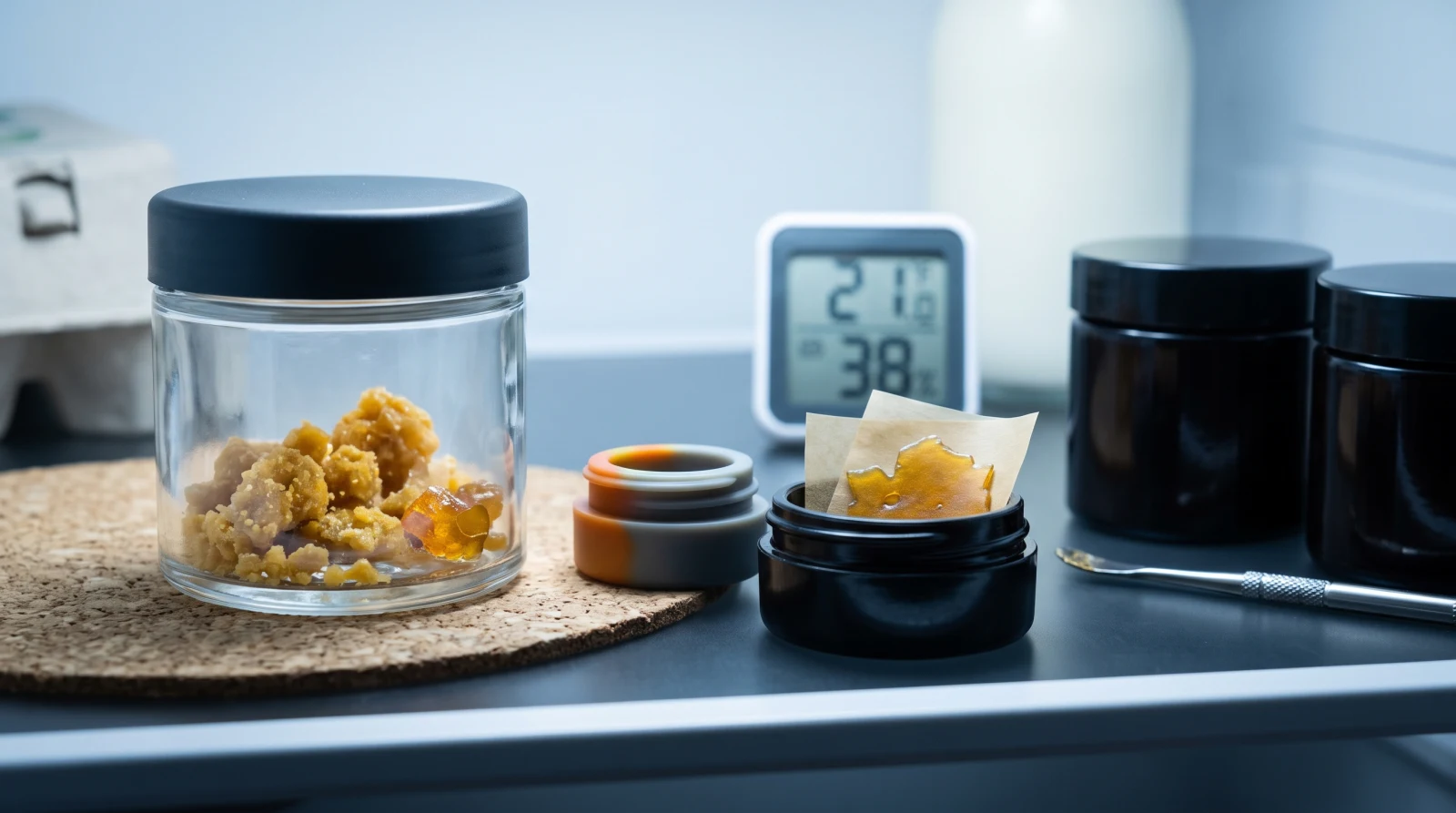
Regardless of origin, proper storage dramatically affects hash longevity and potency. All three styles should be kept in airtight containers away from direct light and heat. Glass jars work well, as do vacuum-sealed bags for longer-term storage. The refrigerator provides ideal temperature conditions, though you'll want to let the hash return to room temperature before handling to prevent condensation issues.
Moroccan hash, with its lower resin content and crumblier texture, tends to dry out fastest if improperly stored. Lebanese and Afghan varieties maintain quality longer due to higher resin concentrations, but extended exposure to air will eventually degrade even the stickiest Afghan hash. For comprehensive guidance on preserving cannabis products, check out our detailed guide on how to store weed to maintain potency and flavour.
Price Points and Value Across Origins
Understanding hash pricing helps you identify fair deals and avoid overpriced products. In the Canadian mail-order market as of 2025, Moroccan hash typically represents the most accessible entry point, with gram prices ranging from $8 to $15 for commercial grades and $15 to $25 for premium selections. This pricing reflects both the higher production volumes in Morocco and the moderate potency levels that require less careful titration.
Lebanese hash commands a middle-tier price position, usually selling between $12 and $22 per gram for quality products. The premium over Moroccan hash reflects both the more labour-intensive production process and the stronger, more balanced effects profile. Red Lebanese specifically often carries a slight markup due to the ageing process and the cultural cachet associated with this classic variety.
Afghan hash sits at the top of the traditional hash price pyramid, with grams typically ranging from $15 to $30 depending on quality and specific origin. Premium Afghan varieties from renowned regions like Mazar-i-Sharif can exceed these ranges, particularly when imported through traditional channels. The higher price reflects the hand-production methods, lower yields per plant, and significantly higher potency that justifies smaller consumption amounts.
When evaluating value, remember that per-gram price doesn't tell the complete story. Afghan hash's higher potency means you'll consume less per session compared to Moroccan varieties, potentially equalizing the cost-per-dose. Similarly, the longer-lasting effects of Lebanese and Afghan hash might provide better value for therapeutic users who need sustained relief rather than brief recreational experiences. For current market pricing and quality indicators, see our comprehensive breakdown of hash prices in Canada per gram.
Consumption Methods Matched to Hash Origin
Different hash origins work better with specific consumption methods, and understanding these pairings improves both efficiency and experience quality. The texture, potency, and melting characteristics of each origin determine which methods deliver optimal results.
Moroccan hash's crumbly texture makes it ideal for mixing with flower in joints or blunts. It breaks apart easily, distributes evenly through ground cannabis, and burns smoothly without the harsh spikes that can occur with stickier concentrates. You can also crumble Moroccan hash into bowls or vapourizers, though the lower resin content means it produces less visible vapour than Afghan varieties. For pipe smoking, Moroccan hash works well when sandwiched between flower layers, as it needs surrounding material to burn evenly.
Lebanese hash's medium consistency gives it the widest versatility. It integrates well into joints while also working effectively in dedicated hash pipes and hot-knife methods. The balanced texture means it holds its shape when heated, making it suitable for "spotting" techniques where small pieces are vapourized on hot surfaces. Lebanese hash also performs well in traditional hookahs or water pipes, delivering smooth, flavourful smoke that showcases its complex terpene profile.
Afghan hash's putty-like consistency and high resin content make it the premium choice for vapourizers and dedicated hash smoking devices. It melts cleanly at relatively low temperatures, producing thick, potent vapour with minimal combustion residue. Hot-knife methods work exceptionally well with Afghan hash, as do specialized hash vapourizers that heat concentrate without requiring mixing with flower. When smoking Afghan hash in joints, use it sparingly , thin snake-like lines rather than heavy chunks , as its density can restrict airflow and create uneven burning. For detailed technique breakdowns, see our guide on the best methods to smoke hash.
Authenticity Markers and Quality Indicators
The Canadian mail-order market includes both authentic imported hash and domestically-produced versions that mimic traditional styles. While quality domestic hash can be excellent, knowing authenticity markers helps you understand what you're actually purchasing and whether the price reflects genuine imported product.
Authentic Moroccan hash shows slight colour variation throughout each piece, reflecting the artisanal screening process. Machine-processed or domestic imitations often display unnaturally uniform colour and texture. The aroma should be pronounced but not overwhelming , quality Moroccan hash develops its scent gradually as you handle it, rather than immediately filling a room. When burned, authentic Moroccan hash produces light grey ash that indicates clean starting material and proper curing.
Lebanese hash authenticity often comes down to that characteristic red colouration, but this can be faked through additives. The real test is the smell and smoke quality. Authentic Lebanese hash delivers complex, multi-layered terpenes that develop as the hash warms. The smoke should be smooth enough for multiple hits without harsh throat irritation. If you experience immediate coughing or a chemical aftertaste, you're likely dealing with enhanced or cut product rather than traditional Lebanese hash.
Afghan hash's giveaway is the combination of extremely dark colour and malleable texture. Domestic products often achieve one but not both , they might be dark but crumbly, or soft but too light in colour. Authentic Afghan hash should become almost liquid when held near (not in) a flame, and should leave substantial oil residue on surfaces it contacts. The aroma should be intensely resinous without chemical notes. Black hash that smells like boot polish or produces black smoke likely contains additives to mimic authentic Afghan characteristics.
Beyond origin-specific markers, all quality hash shares certain characteristics. It should burn cleanly without excessive crackling or popping, which indicates plant material contamination. The ash should be light grey to white rather than black, showing proper curing and minimal contaminants. And perhaps most importantly, the effects should align with the claimed origin , Moroccan shouldn't put you to sleep immediately, and Afghan shouldn't leave you energized and talkative. If the experience contradicts the expected profile, you're either dealing with mislabeled product or hash cut with additives.
Frequently Asked Questions About Moroccan Hash and Hash Origins
No, Afghan hash typically contains higher THC concentrations (30-50%) compared to Moroccan hash (15-40%). However, 'strength' encompasses more than just THC percentage. Moroccan hash delivers a more functional, clear-headed high despite lower potency, while Afghan hash produces heavier sedative effects. The best choice depends on your tolerance and desired experience rather than a simple strength ranking.
The characteristic red tone in Lebanese hash develops through a specific ageing and fermentation process after the initial kief collection. This oxidation period transforms some cannabinoids and terpenes, creating the reddish-brown hue while developing more complex flavours. Not all Lebanese hash is red , younger or differently processed batches may appear lighter , but red Lebanese represents the traditional, fully-cured version of this hash style.
Visual inspection provides strong clues but isn't definitive. Moroccan hash typically appears light brown and crumbly, Lebanese shows reddish tones with medium firmness, and Afghan appears very dark with putty-like texture. However, domestically-produced hash can mimic these characteristics. The most reliable authentication comes from combining visual inspection with smell, texture tests when handled, burn quality, and effects profile. Reputable suppliers with transparent sourcing provide the best authenticity guarantee.
Moroccan hash offers the most beginner-friendly entry point due to its moderate potency (15-40% THC), balanced effects profile, and forgiving dosage requirements. The clear-headed high allows new users to gauge their tolerance without overwhelming sedation. Lebanese hash works as a second step once you've built some experience, while Afghan hash should be reserved for users comfortable with their cannabis tolerance and seeking specific heavy-body effects.
Start with approximately one-third the amount you'd use in flower. If you typically smoke 0.3 grams of cannabis in a joint, begin with 0.1 grams of Moroccan hash mixed with flower. Hash concentrates cannabinoids, so less material produces similar or stronger effects. For Afghan hash specifically, reduce this further to about one-quarter of your normal flower amount due to higher potency. Always start conservatively and wait 10-15 minutes before consuming more.
All three major hash origins benefit from identical storage conditions: airtight containers, cool temperatures (refrigerator is ideal), and protection from direct light. However, Moroccan hash's lower resin content makes it more susceptible to drying out, so extra attention to airtight sealing helps maintain quality. Afghan hash's higher oil content provides some built-in preservation, but extended air exposure will still degrade potency and flavour. Regardless of origin, proper storage maintains quality for 6-12 months or longer.
Making Your First Purchase: A Final Checklist
Before placing your first hash order, run through this practical checklist to ensure you're making an informed purchase that matches your needs and budget.
First, clarify your primary use case. Are you seeking daytime relaxation, evening unwinding, or therapeutic sleep aid? This single question should point you toward Moroccan, Lebanese, or Afghan hash respectively. Don't let potency numbers or exotic origin names override your actual intended use , the strongest hash isn't automatically the best hash for your situation.
Second, check your consumption method compatibility. If you primarily use vapourizers, Afghan or Lebanese hash will deliver better results than Moroccan varieties. If you prefer joints mixed with flower, Moroccan hash's texture makes integration easiest. Match the hash origin to your existing consumption habits rather than forcing yourself to adopt new methods just to accommodate a specific hash style.
Third, calculate actual cost-per-use rather than just per-gram pricing. That $30 gram of Afghan hash might deliver 10-15 sessions for experienced users due to high potency, while $15 Moroccan hash might only provide 5-7 sessions at effective doses. Run the math based on your tolerance and consumption patterns to identify true value.
Fourth, verify your source's reputation and transparency. Quality hash suppliers provide clear origin information, quality grades, and realistic potency estimates. They should also stock multiple varieties across different price points. If a supplier only offers one "premium imported hash" without specific origin or quality details, treat it as a red flag and shop elsewhere.
Finally, start with small quantities across multiple origins rather than committing to large amounts of a single type. A gram each of Moroccan, Lebanese, and Afghan hash costs roughly $30-60 total and provides direct comparison experience that's worth more than any written guide. Once you've identified your preference through direct testing, then commit to larger purchases that capture volume discounts.
Explore Our Hash Collection
UperWeed carries authentic Moroccan, Lebanese, and Afghan hash with same-day delivery across Ottawa and Gatineau, plus Canada-wide shipping. Browse our selection of premium imported concentrates with transparent origin sourcing and quality grading.
Shop Hash ProductsWhether you're drawn to the golden smoothness of Moroccan blonde, the balanced complexity of Lebanese red, or the deep potency of Afghan black, understanding these three major hash origins transforms you from a casual consumer into an informed buyer. Each style represents centuries of cultivation and production refinement, delivering distinct experiences that suit different needs, tolerances, and preferences. The key isn't finding the "best" hash , it's identifying which origin aligns with your specific use case and then sourcing quality examples from reputable suppliers who respect these traditional production methods.
Canadian cannabis consumers now enjoy unprecedented access to hash varieties that were once rare imports or specialty items. Take advantage of this accessibility by exploring systematically rather than randomly. Start with Moroccan hash to establish your baseline response, move to Lebanese for comparison, and approach Afghan varieties with appropriate caution and respect for their potency. Within a few sessions, you'll have developed the personal reference points that let you make confident purchasing decisions regardless of marketing claims or trendy product names. That practical