
Plant five seeds from the same pack and you won't necessarily get five identical plants. One might grow tall and stretch, another stays short and bushy. One smells strongly of citrus, while the plant next to it leans earthy or sweet. All five carry the same strain name, yet each one is slightly different.
Those differences come down to phenotype. Understanding it explains why the same strain can look, smell and feel different depending on who grew it, and why a strain name on its own never guarantees a particular experience.
This article explains what a phenotype is, why plants from the same seeds can vary, and what that means when you're choosing flower.
What Is a Phenotype?
A phenotype is the set of observable traits a plant actually shows. In cannabis, that includes its height and structure, leaf shape, flowering time, bud density, colour, aroma, flavour, and its cannabinoid and terpene content.
A phenotype is shaped by two things:
-
Genotype. The plant's genetic code, inherited from its parents. Genes set the range of what a plant is capable of, such as how much THC it can produce or which terpenes it tends to make.
-
Environment. The conditions the plant grows in, including light, temperature, humidity, nutrients, water and stress. The environment determines where within that genetic range the plant actually lands.
A simple way to put it is that genotype is the potential, and phenotype is the result. Two plants with very similar genetics can end up quite different if they're grown in different conditions, and two plants grown side by side can still differ if their genetics vary.
Growers sometimes use the term chemotype for the chemical side of the phenotype, meaning the specific mix of cannabinoids and terpenes a plant produces. For most consumers, the chemotype is the part that matters most, because it shapes aroma, flavour and effects.
Why Plants From the Same Seed Pack Can Differ
Each seed is the result of two parent plants combining their genes, much like siblings in a family. Siblings share a lot of their DNA but aren't identical, and the same is true of cannabis seeds.
How much the seeds vary depends on how stable the strain is:
-
Stable or inbred lines have been bred over many generations to reduce variation, so their seeds tend to produce more uniform plants.
-
First-generation crosses, made by combining two different parent strains, can be fairly consistent but still show some variation.
-
Later-generation or less-stabilised crosses often produce a wide range of phenotypes, with some plants leaning towards one parent and some towards the other.
Landrace strains are an interesting case. They developed over many generations in one region, so they tend to share regional traits, but they can still vary from plant to plant.
What Is Pheno Hunting?
Because seeds vary, growers often plant many seeds of the same strain and compare the results. This is called pheno hunting. They look for the plant with the best combination of traits, such as aroma, yield, resin and potency, and keep it as a "keeper" or "mother" plant.
Cuttings, or clones, are then taken from that mother. Clones are genetically identical to the plant they came from, which is how growers produce consistent crops of a particular phenotype. When a grower refers to a specific "cut" of a strain, they usually mean a particular phenotype that has been kept alive and cloned.
How Environment Shapes the Phenotype
Even genetically identical clones can turn out differently if they're grown in different conditions. Several factors have a noticeable effect:
-
Light. Light intensity and spectrum affect plant structure, bud density and resin production.
-
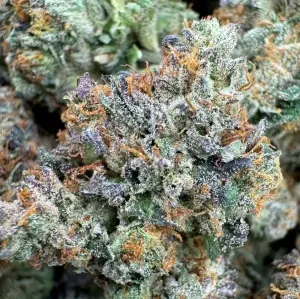
Temperature and humidity. Cooler nights near the end of flowering can bring out purple colours in some strains, while excess heat can reduce terpene content.
-
Nutrients and growing medium. Soil, coco or hydroponic systems, and the nutrients used, influence growth and can affect aroma.
-
Stress. Factors such as drought, pests or light leaks can change how a plant develops.
-
Harvest timing. Harvesting earlier or later changes the balance of cannabinoids, which can affect how the flower feels.
-
Drying and curing. After harvest, how slowly and carefully the flower is dried and cured has a large effect on how much of its terpene content survives.
This is why the same strain grown by two different producers can be noticeably different on the shelf.
Why a Strain Name Doesn't Guarantee an Experience
Phenotype variation is one of the main reasons a strain name is only a starting point. Two products sold under the same name may come from different seed lines, different phenotypes or different growers, and each of those can change the result.
Strain names also aren't regulated. Breeders sometimes release their own versions of a well-known strain, and names can be reused or shortened as genetics move between growers. Over time, the same name can end up attached to plants with quite different traits.
For this reason, a strain's terpene and cannabinoid profile is often a better guide than its name. Terpenes shape aroma and flavour, and many people find the overall profile tells them more about what to expect than the label does.
How to Choose Flower With Phenotype in Mind
-
Look at the terpene profile where it's listed. If you know you enjoy citrusy or earthy flower, the dominant terpenes are a more reliable guide than a familiar name.
-
Check the THC and CBD content for the specific batch, not the strain's general reputation.
-
Pay attention to the aroma. A strong, distinctive smell usually reflects a well-grown and well-cured phenotype.
-
Note what you like. If one batch of a strain works well for you, keep track of the producer and batch details rather than only the name.
It also helps to remember that "indica" and "sativa" describe plant shape and growth habit more than effects. Like strain names, they're a rough indicator, not a guarantee.
Exploring Different Phenotypes
Uper Weed is a Canada-wide online dispensary shipping discreetly to adults in every province and territory.
Every listing in our cannabis flower menu shows the type and THC content, which makes it easier to compare batches rather than relying on a name alone. If you enjoy classic sativa profiles, the sativa section includes several strains with landrace heritage.



 %

 %