

If you've ever wondered why eating a cannabis edible feels completely different from smoking or vaping, you're not alone. The truth is, your body processes THC in fundamentally different ways depending on how you consume it. When you eat cannabis, the THC transforms into a more powerful compound called 11-hydroxy-THC, creating an experience that's often more intense, longer-lasting, and full-bodied compared to inhalation. Understanding this conversion process can help you choose the right products and dosages for your needs.
The Science Behind the Edible High
When you smoke or vape cannabis, Delta-9 THC (the primary psychoactive compound in cannabis) enters your bloodstream directly through your lungs. This creates effects within minutes that typically peak around 30 minutes and fade within 2-3 hours. However, when you consume an edible, your body takes a completely different metabolic route.
Edibles must pass through your digestive system and liver before entering your bloodstream. During this journey, enzymes in your liver convert Delta-9 THC into 11-hydroxy-THC, a metabolite that's not only more potent but also crosses the blood-brain barrier more efficiently. This is why edibles can feel 2-3 times stronger than the same amount of THC consumed through smoking, even though the actual THC content might be lower.
The conversion rate from Delta-9 to 11-hydroxy-THC varies significantly between individuals based on metabolism, liver function, and body composition. This is why some people are more sensitive to edibles than others.
Why Edibles Take Longer to Kick In
One of the most common mistakes with edibles is impatience. While inhaled cannabis works within minutes, edibles typically take 30 minutes to 2 hours to produce noticeable effects. This delay occurs because the THC must travel through your entire digestive system before liver enzymes can convert it.
Several factors influence onset time, including whether you've eaten recently, your metabolism speed, and the type of edible you've consumed. Fat-soluble edibles like chocolates and baked goods may absorb differently than water-soluble gummies. Products like our popular selections offer reliable, consistent dosing to help you plan your experience better.
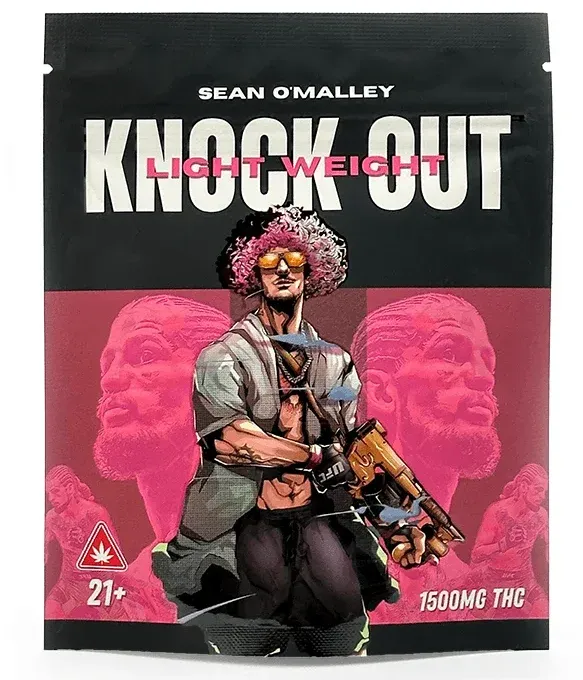
Sean O'Malley Knock Out "Lightweight" 1500mg THC Gummies
Black-and-pink Sean O’Malley Knock Out pouch with ten 150mg gummies and 1,500mg THC t...
The extended onset time is actually one of the benefits of 11-hydroxy-THC conversion. Once the effects begin, they tend to last 4-8 hours or longer, compared to the 2-3 hour duration of smoked cannabis. This makes edibles ideal for managing chronic pain, insomnia, or situations where you need long-lasting relief without frequent re-dosing.
The Intensity Factor: Why Edibles Hit Harder
Beyond just lasting longer, the 11-hydroxy-THC experience is qualitatively different. Many users describe edible highs as more full-bodied, more sedating, and more psychedelic compared to smoking. This isn't just perception; it's biochemistry in action.
Research suggests that 11-hydroxy-THC may be up to 3 times more potent than Delta-9 THC at binding to cannabinoid receptors in your brain. This increased binding affinity means you get stronger psychoactive effects from smaller amounts of converted THC. The body-focused, sometimes couch-locking sensation many people associate with edibles is a direct result of how 11-hydroxy-THC interacts with your endocannabinoid system.
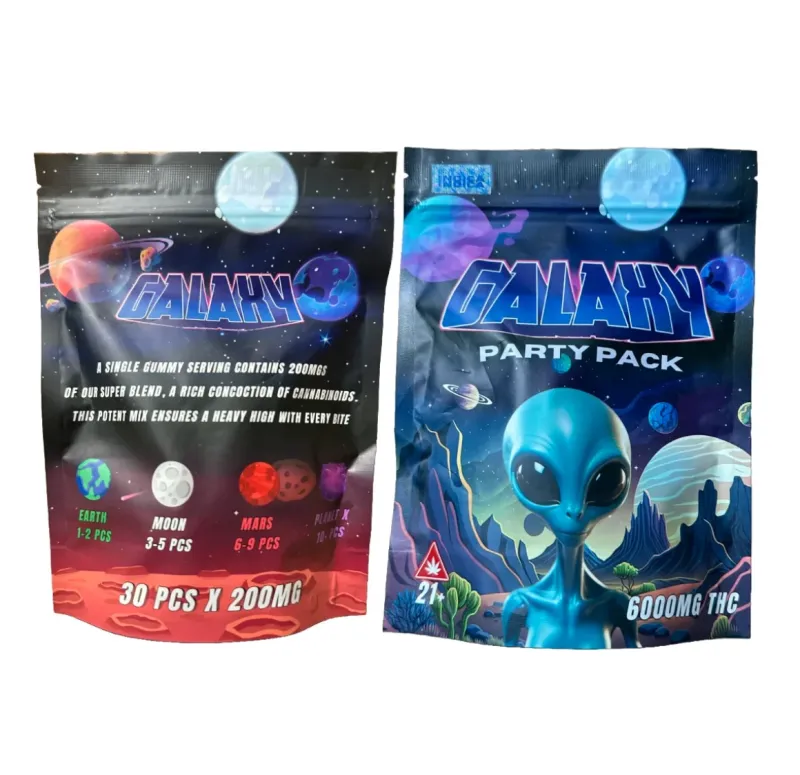
Galaxy Gummies 6000mg THC Edible Gummies
Galaxy Party Pack with 30 gummies at 200mg each and 6,000mg THC total, available as one...
For experienced users looking for powerful effects, high-dose edibles can provide intense experiences. However, beginners should always start low and go slow. A standard beginner dose is 2.5-5mg of THC, while experienced users might consume 10-50mg or more.
Finding Your Perfect Edible Dosage
Because of the Delta-9 to 11-hydroxy-THC conversion, dosing edibles requires more caution than other consumption methods. The delayed onset combined with increased potency creates a perfect storm for accidental overconsumption. Here's a general guideline for THC edible dosing:
- Microdose (1-2.5mg): Subtle effects, good for focus and mild relaxation
- Low dose (2.5-5mg): Noticeable relaxation, ideal for beginners
- Medium dose (5-15mg): Clear psychoactive effects, suitable for regular users
- High dose (15-30mg): Strong effects, recommended for experienced consumers
- Very high dose (30mg+): Intense experiences, only for those with high tolerance
Remember that individual responses vary dramatically. Your friend's perfect 20mg dose might be overwhelming for you, or it might barely register. Factors like body weight, metabolism, tolerance, and even what you ate that day all influence how your body processes edibles.
Never take a second dose if the first hasn't kicked in yet. Wait at least 2-3 hours before considering additional consumption. The delayed effects of edibles have caught many people off guard.
Maximizing Your Edible Experience
Understanding the Delta-9 to 11-hydroxy-THC conversion can help you optimize your edible experience. Consuming edibles with fatty foods can actually enhance absorption, since THC is fat-soluble. Some users find that eating a small meal with healthy fats (like nuts, avocado, or coconut oil) about 30 minutes before taking an edible leads to more consistent effects.
The type of edible also matters. Gummies and hard candies may begin absorbing sublingually (under the tongue) before reaching your stomach, potentially creating a slightly faster onset with a mix of Delta-9 and 11-hydroxy-THC effects. Baked goods and chocolates primarily undergo full liver metabolism, leading to the classic edible experience.
For those seeking alternatives to traditional edibles, THC beverages and tinctures offer different absorption profiles. Some beverages use nano-emulsion technology to create faster onset times, while tinctures taken sublingually can bypass the liver conversion entirely, though most people swallow them and experience the same metabolic pathway as other edibles.
Frequently Asked Questions
Everyone's liver processes Delta-9 THC into 11-hydroxy-THC at different rates. Your metabolism, liver enzyme levels, body composition, and tolerance all play roles. Some people are naturally more sensitive to edibles due to how efficiently their liver performs this conversion.
Consuming edibles with fatty foods may enhance absorption slightly, and some users report faster onset on an empty stomach, though this can also intensify effects. Water-soluble or nano-emulsified edibles are designed for faster onset, typically 15-45 minutes rather than 1-2 hours.
Don't panic; while uncomfortable, THC overconsumption isn't dangerous. Find a calm, safe space, stay hydrated, and remember it will pass. CBD may help counteract THC's effects. Black pepper (smelling or chewing peppercorns) and lemon can provide relief for some people. The effects will wear off, though it may take several hours.
The metabolic process is the same, but medical users often prefer edibles for their long-lasting effects when managing chronic conditions. The sustained release of 11-hydroxy-THC can provide all-day symptom relief from a single dose, making edibles particularly valuable for pain management and sleep disorders.
Choosing the Right Edibles for You
Now that you understand why edibles hit different, you can make more informed choices about products and dosing. Whether you're seeking deep relaxation, pain relief, or just a unique cannabis experience, the Delta-9 to 11-hydroxy-THC conversion offers benefits that smoking and vaping simply can't match.
Start with lower doses than you think you need, especially if you're new to edibles or trying a new product. Give each experience at least 2-3 hours to fully develop before deciding if you need more. Keep a simple log of what you take and how it affects you; this helps you dial in your perfect dose over time.
Explore Our Premium Edibles Collection
Find lab-tested, high-quality edibles with precise dosing for every experience level
Shop Edibles Now


